The Sacred Saraswati Temple of Pushkar: A Quiet Symbol of Knowledge and Purity
The Sacred Saraswati Temple of Pushkar: Pushkar, a small yet spiritually powerful town in Rajasthan, is globally recognized for its ancient Brahma Temple and sacred lake. Beyond this well-known identity, Pushkar also holds deep significance as a center of learning and wisdom because of the revered Saraswati Temple. Dedicated to Goddess Saraswati, the deity of knowledge, wisdom, creativity, and purity, this temple reflects a lesser-known but deeply meaningful spiritual dimension of Pushkar. It attracts devotees, scholars, students, and spiritual seekers who believe in the transformative power of knowledge and inner clarity.

Spiritual Importance of Goddess Saraswati
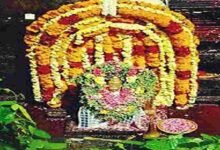
Goddess Saraswati occupies a unique place in Indian spiritual philosophy. She is regarded as the divine source of learning, arts, music, speech, and intellect. In the Pushkar Saraswati Temple, she is worshipped not only as a goddess of education but also as a symbol of purity and inner balance. Devotees believe that sincere prayers here help remove ignorance, enhance understanding, and guide individuals toward righteous living. The temple stands as a reminder that true knowledge is sacred and should be pursued with humility and discipline.
Historical and Mythological Background
The Saraswati Temple in Pushkar is closely associated with ancient legends and Vedic traditions. According to mythology, the Saraswati River once flowed through this region, making it fertile and spiritually vibrant. Although the river is no longer visible on the surface, many scholars and locals believe that its presence still exists underground. This belief adds a deeper layer of sanctity to the temple. The goddess is seen here as both a river and a divine force, representing continuous flow of wisdom and purity through generations.
Architectural Simplicity and Sacred Atmosphere
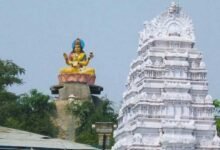
Unlike grand temples with elaborate carvings, the Saraswati Temple in Pushkar is known for its simplicity and calm environment. The architecture reflects traditional Rajasthani temple design, focusing more on spiritual essence than visual grandeur. The serene surroundings, minimal ornamentation, and peaceful ambiance allow visitors to meditate, reflect, and connect with their inner selves. This simplicity aligns perfectly with the philosophy of Saraswati, who represents clarity, balance, and truth.
Cultural and Educational Significance
The temple holds special importance for students, teachers, writers, artists, and musicians. Many visitors come here before examinations, new academic journeys, or creative endeavors to seek blessings for success and clarity of thought. During festivals related to learning and culture, the temple becomes a hub of devotional activities. Prayers, recitations, and traditional rituals highlight the strong connection between spirituality and education that has been part of Indian culture for centuries.
Symbolism of Saraswati as a River
One of the most fascinating aspects of the Pushkar Saraswati Temple is the belief that Saraswati exists here in river form. In Indian tradition, rivers are considered living symbols of life, nourishment, and purification. Saraswati, as a river, represents fertility of land and mind. This symbolism reinforces the idea that knowledge is not static but flows continuously, enriching those who are open to learning. The temple thus stands at the intersection of nature, spirituality, and intellect.
Role in Pushkar’s Spiritual Identity
While Pushkar is often associated with rituals related to creation due to the Brahma Temple, the Saraswati Temple complements this identity by emphasizing wisdom and learning. Together, these spiritual centers create a balanced representation of creation and knowledge. The presence of the Saraswati Temple highlights that Pushkar is not only a place for religious rituals but also a destination for intellectual and spiritual growth.
Visitor Experience and Inner Reflection
Visitors often describe a sense of calm and introspection upon entering the Saraswati Temple. Away from crowded tourist spots, this temple offers a quieter, more personal spiritual experience. Many people spend time in silent prayer, meditation, or contemplation. The environment encourages self-reflection and reinforces the belief that knowledge begins with self-awareness and inner purity.