The Legend of Kali and the Demon Shambhu: A Timeless Tale of Courage and Justice
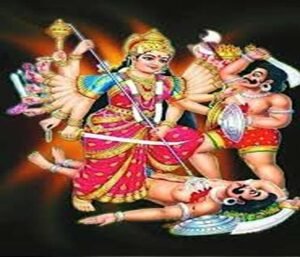
The Legend of Kali and the Demon Shambhu: The story of Kali and the demon Shambhu is a powerful narrative rooted in Indian mythology that illustrates the eternal conflict between good and evil. Set near the Himalayan region, this legend unfolds in a remote village plagued by fear and destruction caused by a shape-shifting demon named Shambhu. Endowed with supernatural powers, Shambhu regularly terrorized innocent villagers, disrupted peace, and spread chaos. What makes this story enduring is not just the battle itself, but the values of courage, sacrifice, and unity that emerge through its characters.
Origins of the Mythological Conflict
According to ancient scriptures and folklore associated with the Devi Bhagavata Purana, the foundation of this conflict lies in a dangerous boon granted to the demon brothers Shumbha and Nishumbha. They were blessed with near immortality, as no man or beast could kill them; only a woman possessed the power to end their lives. Confident that no such powerful woman existed, the demons began oppressing sages, disrupting sacred rituals, and forcing people to worship them instead of the gods.
Unable to defeat the demons, the gods remembered the divine promise of the Goddess, who vowed to appear whenever righteousness was threatened. United in devotion, they praised the supreme feminine energy that resides in every living being and governs the universe.
Birth of Goddess Kali
Moved by the prayers of the gods, Goddess Parvati manifested a powerful form from her own being known as Kaushiki. As this radiant energy emerged, Parvati’s complexion darkened, leading to the birth of Goddess Kalika, later revered as Kali. Her appearance symbolized both beauty and terrifying power. When the demon commanders Chanda and Munda saw her, they were captivated and informed Shumbha and Nishumbha, who arrogantly proposed marriage.
The Goddess responded with a challenge, stating she would only marry one who could defeat her in battle. Enraged and provoked, the demon brothers sent vast armies against her. Each attempt failed, and when Chanda and Munda attacked, Kali assumed a fierce form and destroyed them, earning the name Chamunda.
The Battle Against Blood-Seeding Evil
As the war intensified, the demon Raktabija was unleashed upon the battlefield. His unique boon allowed every drop of his blood that touched the ground to create another version of himself. To counter this threat, Kali was instructed to consume the blood before it fell, preventing his regeneration. Through strategy and coordination, the divine forces eliminated Raktabija, followed by the defeat of Nishumbha and his army.
Left alone, Shumbha mocked the Goddess, claiming she relied on others for strength. Enraged, Kali absorbed all divine energies into herself and defeated Shumbha single-handedly, restoring balance to the world.
Kali’s Journey to Defeat Shambhu
In later folk traditions, Shambhu is portrayed as a separate demon whose reign of terror extended into the mortal realm. Kali, depicted as a brave and wise young woman in these retellings, embarked on a perilous journey to confront him. Armed with her sword and shield, she crossed treacherous mountain paths and dark forests, facing numerous trials designed to test her resolve.
Each obstacle strengthened her determination, as she carried the burden of her village’s fate. Upon reaching Shambhu’s lair, she encountered illusions and deadly traps, but her intelligence and focus allowed her to overcome them.
The Final Confrontation
The final battle between Kali and Shambhu was fierce and relentless. Both wielded immense power, and the clash echoed through the mountains. Yet, it was Kali’s unbreakable spirit and moral clarity that gave her the advantage. With a decisive strike, she defeated Shambhu, freeing the village from his tyranny and restoring peace.
Moral Lessons from the Story
This legendary tale conveys enduring lessons that remain relevant today.
Triumph of Good Over Evil
The story reinforces the belief that no matter how powerful darkness appears, righteousness ultimately prevails through perseverance and courage.
Symbol of Bravery and Selflessness
Kali stands as a symbol of fearless action and self-sacrifice, reminding individuals of their inner strength to oppose injustice and protect others.
Power of Unity
The victory was not achieved in isolation. The collective prayers of the gods and the support of the community highlight the importance of unity during times of crisis.
In conclusion, the legend of Kali and the demon Shambhu is more than a mythological battle. It is a timeless reminder that as long as there are those willing to stand for truth and justice, evil can never truly dominate the world.