Chamunda Maa: The Fierce Divine Mother of Power, Protection, and Transformation
Chamunda Maa: Chamunda Maa is revered in Hindu tradition as one of the most intense and powerful manifestations of the Divine Feminine. She represents strength, destruction of evil, and deep spiritual transformation. Known for her fearless nature and uncompromising justice, Chamunda Maa is worshipped across India and Nepal by devotees seeking protection, courage, and liberation from suffering. Her presence in ancient scriptures, folk traditions, and temple worship highlights her importance in the spiritual landscape of Sanatan Dharma.
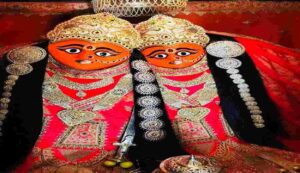
Identity and Nature of Chamunda Maa
Chamunda Maa is widely regarded as a formidable form of Durga Devi. According to traditional beliefs, she emerged during a fierce cosmic battle when Goddess Durga was fighting the demons Chanda and Munda. From Durga’s forehead manifested a powerful energy in the form of Kali, who destroyed both demons. Pleased with this act, Goddess Durga named her Chamunda, a name derived from the slain demons. Over time, Chamunda Maa became recognized as an independent goddess symbolizing raw power and destruction of negativity.
She is also associated with Kali, Parvati, and Durga, reflecting different dimensions of Shakti. Chamunda Maa is believed to be one of the chief Yoginis, belonging to the group of sixty-four or eighty-one tantric goddesses who accompany Parvati Devi. Her energy is intense, transformative, and deeply connected to spiritual awakening.
Scriptural Origins and References
The origin of Chamunda Maa is described in texts such as the Markandeya Purana and the Devi Mahatmya. These scriptures explain her emergence as a divine force created to restore cosmic balance. The Agni Purana further elaborates that Chamunda Maa exists in eight distinct forms, each representing a unique aspect of power and protection.
In texts like the Mahabharata, Devi Purana, and Vishnudharmottara Purana, Chamunda is listed among the Saptamatrikas, the seven divine mother goddesses. In these references, she symbolizes immortality and the transcendence of sin. Some interpretations describe the Matrikas as forces that neutralize human vices, with Chamunda Maa representing the ultimate destruction of ego and fear.
Legends Associated with Chamunda Maa
Several legends highlight the fearsome yet compassionate nature of Chamunda Maa. One story narrates that she manifested as one of the seven Shakti forms to assist Lord Shiva in his battle against the demon Andaka. Her role was crucial in ensuring the victory of divine forces.
Another popular legend speaks of the demon Raktabija, whose blood drops gave birth to countless demons whenever they touched the ground. Chamunda Maa drank his blood to prevent further destruction, earning the name Rakta Chamunda. This story symbolizes the goddess’s role in stopping endless cycles of negativity and chaos.
Chamunda Maa is also worshipped as Chamundeshwari Devi, the patron deity of the Mysuru royal family. In this tradition, she is known as the slayer of Mahishasura, the buffalo-headed demon whose tyranny threatened the universe. Taking the form of Durga or Chamundi, she defeated Mahishasura and restored harmony, giving the city of Mysuru its name.
Vahana and Iconography
Chamunda Maa is traditionally depicted as a fierce goddess residing in cremation grounds or near sacred fig trees, symbolizing detachment from worldly illusions. Her vahana is believed to be an owl, representing wisdom and vigilance even in darkness. She is often accompanied by jackals and other fearsome creatures, emphasizing her connection with untamed cosmic forces.
Her banners are said to carry the symbol of an eagle, indicating sharp vision and spiritual dominance. The imagery associated with Chamunda Maa is meant to inspire fearlessness and acceptance of life’s impermanence.
Historical Anecdotes and Worship Practices
Historically, Chamunda Maa was worshipped by tribal communities in the Vindhya region of central India. These communities offered animal sacrifices and liquor, practices linked to ancient tantric traditions. Over time, such rituals reduced due to the influence of Vaishnavite and Shaivite philosophies.
A well-known anecdote from around 400 years ago describes the establishment of the Chamunda Mataji Temple. According to the story, the goddess appeared in a priest’s dream and guided him to rediscover an ancient idol. Only when approached with purity and devotion could the idol be lifted, symbolizing that divine power responds to faith and respect.
Benefits of Worshipping Chamunda Maa
Devotees believe that worshipping Chamunda Maa helps remove sins, illnesses, karmic curses, and planetary doshas. She is said to grant courage, wisdom, inner strength, mental peace, and spiritual clarity. Her blessings protect followers from negative energies and external dangers.
Recitation of the Chamunda Mantra or Chandi Mantra is considered especially powerful. Regular chanting is believed to improve confidence, focus, intelligence, and professional success. It also strengthens the mind and body, offering protection from harmful astrological influences.
Proper Method of Worship
The worship of Chamunda Maa is traditionally performed before sunrise, during pradosh time, or at midnight. Devotees are advised to wear red or saffron-colored clothing, symbolizing energy and devotion. The idol or image should represent her as Jagadamba, the universal mother.
Mantras dedicated to Chamunda Maa are recited with discipline and reverence, allowing devotees to connect deeply with her transformative energy.
Sacred Mantras of Chamunda Maa
Om Aim Hreem Kleem Chamundayai Vichche
Om Chamunde Jaya Jaya Vashyakari Sarva Sattvan Namah Swaha
These mantras are believed to awaken inner power, remove fear, and attract divine protection.