Kharmas in Sanatan Dharma: Meaning, Beliefs, Do’s and Don’ts Explained
Kharmas in Sanatan Dharma: In Sanatan Dharma, Kharmas is considered a highly significant period marked by spiritual discipline, restraint, and self-reflection. It is widely believed that during this time, auspicious and celebratory activities should be avoided. As a result, events such as weddings, engagements, and other major life ceremonies are postponed. Instead, devotees focus on worshipping Lord Vishnu and Surya Dev, believing that sincere prayers during this phase bring peace, balance, and long-term prosperity. Kharmas is also seen as a time to avoid certain actions, as ignoring these traditional guidelines is believed to invite obstacles, delays, and mental unrest. Also known as Mal Maas, Kharmas holds deep roots in Vedic astrology and Hindu traditions, symbolizing a pause in material pursuits and a shift toward spiritual growth.
Understanding the Astrological Concept of Kharmas
Kharmas occurs when the Sun transits into the zodiac signs Sagittarius or Pisces, both ruled by Jupiter. This solar transition impacts the cosmic balance, making it an unfavorable period for starting new ventures. The Sun remains in these signs for approximately thirty days, a duration often referred to as Dhanu Sankranti when it enters Sagittarius. During this phase, Jupiter’s positive influence is believed to weaken due to the Sun’s dominance, resulting in reduced support for auspicious undertakings. The term Kharmas originates from the word “Khar,” meaning donkey, symbolizing lethargy, delays, and a slowdown in progress. Hence, this period is viewed as unsuitable for actions that require momentum, celebration, or rapid growth.
Mythological Origin of Kharmas
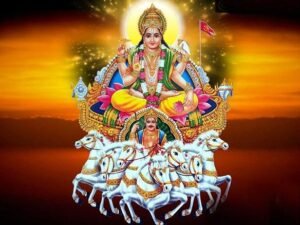
Ancient Hindu scriptures narrate an intriguing story behind the origin of Kharmas. According to mythology, Surya Dev travels across the sky in a celestial chariot drawn by seven divine horses. During the intense phase of the Pausha month, the horses became exhausted due to the Sun’s relentless heat. Out of compassion, Surya Dev diverted his chariot toward a riverbank to allow the horses to rest and drink water. During this pause, two donkeys temporarily replaced the horses to continue the journey. This symbolic event gave rise to the name Kharmas and represents a time when the Sun’s energy slows down. This myth highlights compassion, balance, and the natural need for rest, reinforcing why humans are advised to slow down during this period.
Spiritual Importance of Kharmas
Kharmas arrives twice a year due to the Sun’s movement through the zodiac cycle. Spiritually, it is regarded as a purification phase that encourages introspection, patience, and devotion. Instead of focusing on external achievements, individuals are advised to turn inward, reassess priorities, and strengthen their spiritual practices. Acts of charity, prayer, meditation, and self-discipline are believed to yield positive karmic outcomes during this time.
What Should Be Avoided During Kharmas
Kharmas is often compared to a cosmic red signal, advising people to pause major decisions. Starting a new business, launching projects, or initiating financial investments is discouraged, as these actions are believed to face hurdles and slow progress. Travel plans, whether personal or professional, are also advised to be postponed due to the possibility of delays and unforeseen complications.
Marriage ceremonies, engagements, and large family celebrations are traditionally avoided, as the prevailing energy is not considered supportive of joyful beginnings. Similarly, home construction, renovation, or property-related activities are postponed to prevent long-term obstacles. Important medical procedures or surgeries are also discouraged unless absolutely necessary, with emphasis placed on maintaining routine health and wellness instead.
Rituals and Ceremonies to Postpone
During this astrologically sensitive period, sacred rituals such as thread ceremonies, mundan, ear piercing, and griha pravesh are postponed. These rituals are associated with new beginnings, which are believed to lose their auspicious impact during Kharmas. The underlying belief is to wait for a more supportive cosmic alignment.
Recommended Practices During Kharmas
Kharmas is an ideal time to strengthen spiritual foundations. Offering water to the Sun every morning and chanting sacred hymns such as Aditya Hridaya Stotra is believed to enhance inner strength and clarity. Worshipping the Peepal tree holds special importance, as it is believed to house divine energies that help remove obstacles and negative influences.
Lighting a lamp under the Tulsi plant and offering water daily is another recommended practice that promotes positivity and spiritual connection. Acts of charity, helping the needy, and maintaining a disciplined lifestyle are considered highly beneficial during this period. While weddings and engagements are postponed, nurturing harmony within existing relationships is strongly encouraged.
Business and Financial Caution
Starting a new company or business venture during Kharmas is generally discouraged. Traditional beliefs suggest that expenses may rise unexpectedly, profits may be delayed, and debts could accumulate. Instead, this period is considered suitable for planning, research, and strategy building rather than execution.
Embracing the True Essence of Kharmas
Kharmas is not a time of fear or negativity but a sacred pause offered by nature. It reminds individuals to slow down, reflect, and reconnect with spiritual values. By respecting its principles, one can transform this period into a meaningful phase of inner growth, patience, and preparation for future success.