Arunachaleswarar Temple: The Eternal Flame of Inner Transformation
Arunachaleswarar Temple : located in Tiruvannamalai, Tamil Nadu, is one of the most spiritually powerful and symbolically rich temples in India. It represents the Agni element, which stands for fire, transformation, purification, and inner awakening. This sacred place is not just an architectural marvel but also a profound spiritual center that has inspired seekers, saints, and philosophers for centuries. Deeply rooted in ancient traditions and mythology, the temple continues to attract devotees who seek clarity, humility, and liberation from inner darkness.
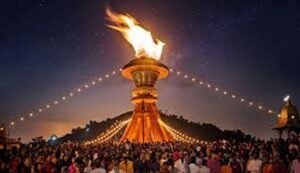
Mythological Significance of the Fire Element
According to ancient Hindu scriptures, this temple marks the place where Lord Shiva manifested himself as an infinite column of fire. The appearance of this divine fire pillar was meant to dissolve ego and ignorance, especially the pride of powerful gods who believed themselves to be supreme. The fire had no beginning and no end, symbolizing the eternal nature of truth and consciousness. This divine event established the temple as the embodiment of the fire element among the sacred Pancha Bhoota temples, each representing one of the five natural elements.

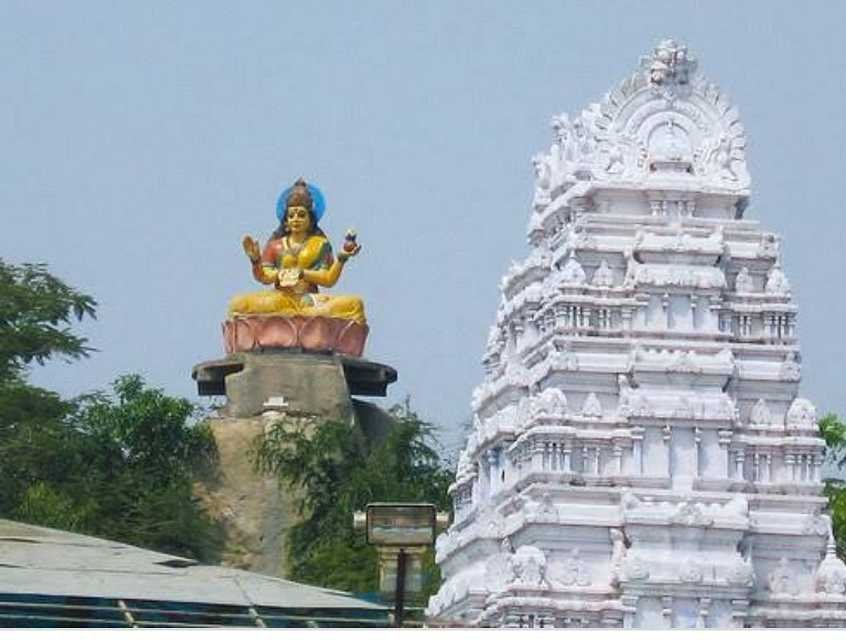
The legend emphasizes a powerful spiritual message. Fire here is not destructive but illuminating. It burns illusions, false identities, and arrogance, guiding individuals toward self-realization and inner purity. This symbolic meaning makes the temple deeply relevant even in modern times, where inner conflict and confusion are common.
Architectural Grandeur and Sacred Layout
The temple complex is vast and awe-inspiring, covering several acres with massive stone walls, towering gopurams, and intricately carved pillars. The architecture reflects the artistic brilliance of ancient South Indian dynasties, particularly the Cholas, Pandyas, and Vijayanagara rulers. Each structure within the temple has spiritual symbolism, designed to elevate the devotee’s consciousness while moving through the space.
The sanctum is intentionally kept simple and powerful, allowing the spiritual energy to be felt rather than displayed. The surrounding corridors are used for meditation, circumambulation, and reflection. Walking through these spaces creates a sense of calm, grounding, and spiritual focus, which many visitors describe as transformative.
Spiritual Benefits of Visiting the Temple
Devotees believe that visiting this temple helps dissolve ego, fear, and ignorance. The fire element is associated with inner strength, clarity, and courage. Many spiritual practitioners visit this sacred site during periods of personal struggle, confusion, or major life transitions. It is believed that sincere prayers offered here can ignite inner awareness and lead to emotional and mental purification.
The practice of walking around the sacred hill near the temple is considered especially powerful. This act is seen as a form of moving meditation, helping individuals align their inner energy with the natural rhythm of the universe. The experience often brings emotional release, deep introspection, and a renewed sense of purpose.
Festivals and Sacred Rituals
The temple is famous for its grand festivals, which draw thousands of devotees from across the world. Among them, the festival of lights is particularly significant. During this event, a massive flame is lit atop the sacred hill, visible from miles away. This flame represents the eternal presence of divine consciousness and serves as a reminder of inner illumination.
Daily rituals at the temple follow ancient traditions and are performed with precision and devotion. The chanting of mantras, the fragrance of incense, and the rhythmic sound of bells create an atmosphere that deeply affects the senses and calms the mind. These rituals are not merely ceremonial but are intended to awaken spiritual awareness within the devotee.
Cultural and Philosophical Importance
Beyond religious worship, the temple holds immense philosophical value. It has been a center for spiritual learning and contemplation for centuries. Renowned sages and spiritual teachers have lived and meditated in this region, contributing to its reputation as a place of wisdom and self-inquiry. The teachings associated with this sacred space emphasize self-knowledge, humility, and inner silence.
The presence of the fire element also highlights the balance between discipline and transformation. Fire requires control to be beneficial, just as human desires and emotions require awareness and restraint. This deeper symbolism continues to inspire seekers on the path of inner growth.
Relevance in Modern Life
In today’s fast-paced world, the message of this sacred temple is more relevant than ever. It reminds individuals to pause, reflect, and reconnect with their inner self. The idea of burning away unnecessary attachments, ego, and ignorance resonates strongly with those seeking mental peace and emotional clarity.
The temple stands as a timeless symbol of transformation, encouraging people to look beyond external success and focus on inner fulfillment. Its spiritual energy continues to guide individuals toward a more balanced, conscious, and meaningful life.