Chamunda Nandikeshwar Dham: The Sacred Abode Where Shiva Calmed the Wrath of Chamunda Devi
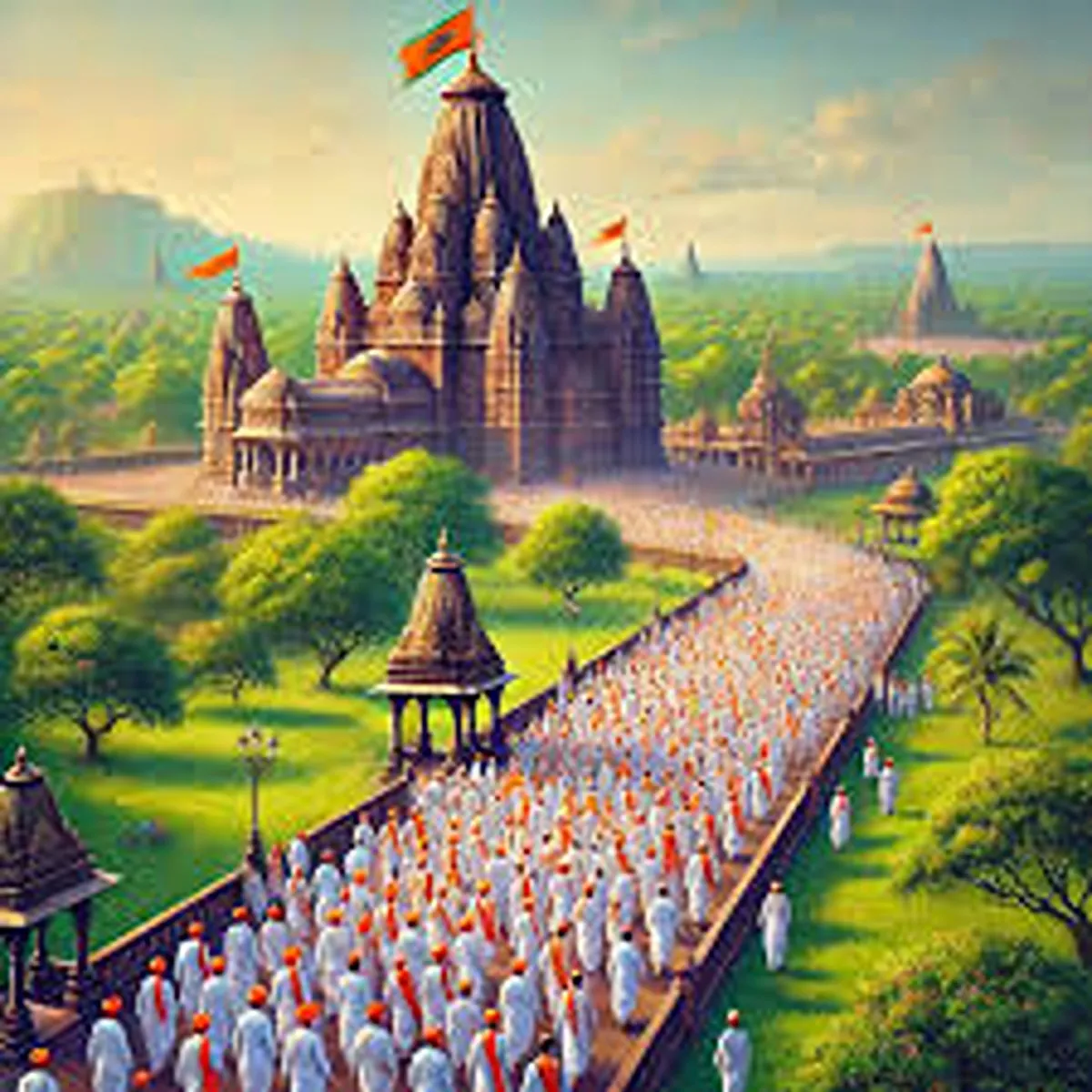
Chamunda Nandikeshwar Dham: Chamunda Nandikeshwar Dham is one of the most spiritually significant and mysterious Hindu pilgrimage sites in North India. Located amidst the serene Himalayan landscape, this ancient shrine is not only associated with Goddess Chamunda but also deeply connected with Lord Shiva. The temple is known for its powerful legends, uninterrupted traditions, and the unique belief that a cremation fire is lit here every single day, either for a human body or a symbolic effigy. This sacred place attracts devotees, spiritual seekers, and cultural historians throughout the year due to its divine energy and timeless rituals.

The Origin and Spiritual Identity of Chamunda Devi
Goddess Chamunda is revered as a fierce manifestation of Shakti. According to Hindu mythology, she earned the name Chamunda after annihilating the demons Chanda and Munda. Her form symbolizes the destruction of evil and the restoration of cosmic balance. The temple dedicated to her stands on the banks of the Baner stream in the Kangra district of Himachal Pradesh, around 15 kilometers from Dharamshala.
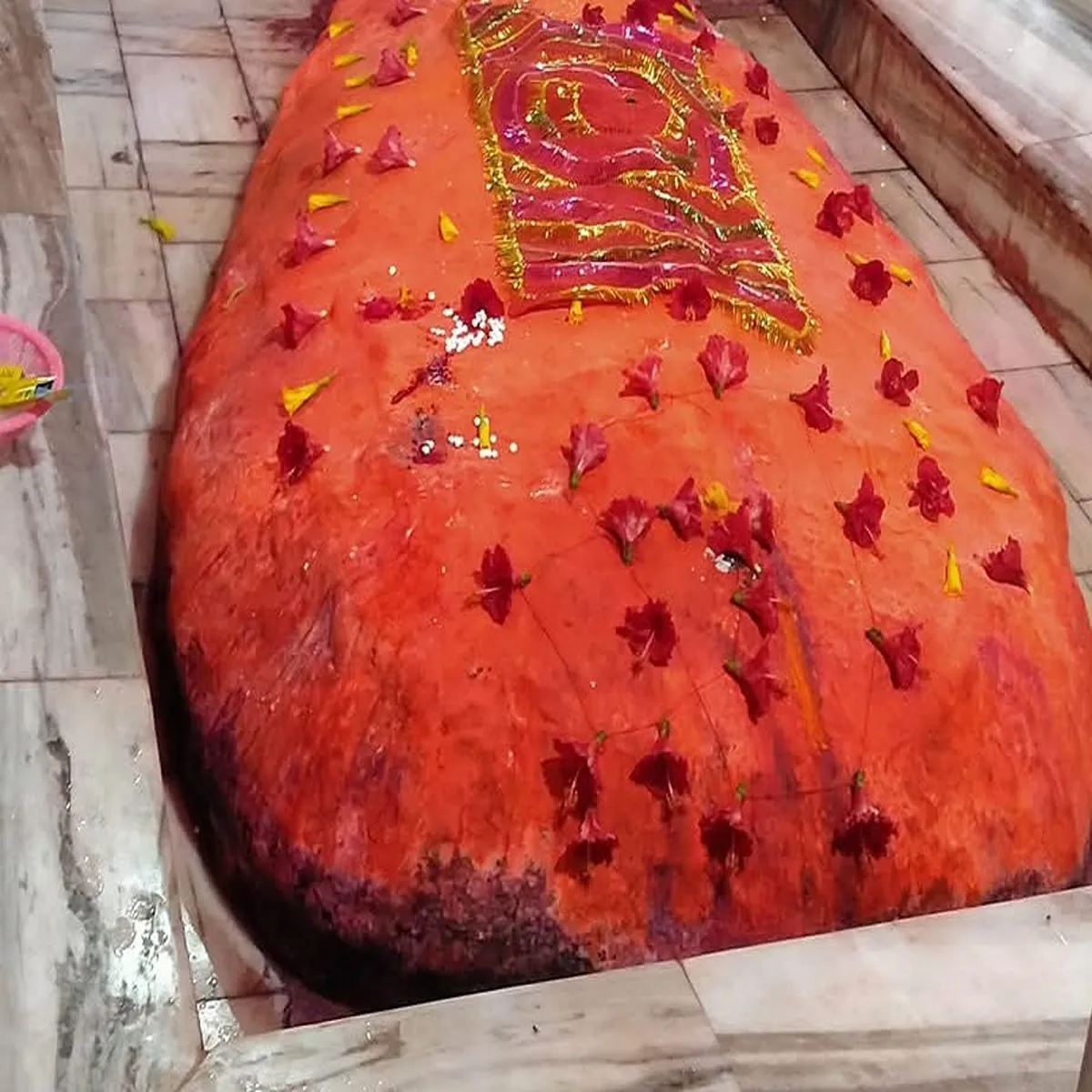
The natural surroundings of the temple enhance its spiritual atmosphere. Dense greenery, flowing water, and the backdrop of the Dhauladhar range create a peaceful yet powerful environment. Devotees believe that sincere prayers offered here fulfill wishes and remove obstacles from life. Due to the presence of a Shiva pindi within the temple complex, the shrine is also known as Chamunda Nandikeshwar Dham, signifying the eternal union of Shiva and Shakti at this sacred spot.
The Legend of Shiva Calming the Divine Wrath
One of the most compelling legends associated with this dham explains why a funeral fire burns here every day. After slaying the demons Chanda and Munda, Goddess Chamunda was consumed by intense rage. Her anger terrified the local population, who believed that only a human sacrifice could pacify her fury. As fear spread, the villagers decided that each family would eventually offer one member as a sacrifice.
When the turn came for a particular woman, she was heartbroken because her son was the result of years of devotion to Lord Shiva. With unwavering faith, she sent her son for sacrifice while praying to Shiva for his protection. Answering her prayers, Lord Shiva appeared in the form of a child and engaged the boy in playful conversation, deliberately delaying his arrival.
As time passed, the delay intensified the anger of Goddess Chamunda. She arrived at the spot and found the boy playing instead of presenting himself for sacrifice. Enraged, she confronted him, and the child pointed toward Shiva, blaming him for the delay. This further provoked the goddess, who began chasing Shiva. In her fury, she hurled massive stones at him, some of which are believed to exist at the site even today. Shiva lifted one stone effortlessly on his finger, revealing his true identity. Realizing her mistake, Chamunda Devi calmed down and sought forgiveness.
The Eternal Tradition of the Cremation Fire
After the divine revelation, Lord Shiva instructed that both he and Goddess Chamunda would reside at that very place forever. To ensure that the destructive aspect of divine energy remained balanced, it was ordained that a cremation fire must burn daily. Since then, if no human body arrives for last rites, a symbolic effigy made of grass is cremated instead.
This tradition continues even today at the Moksha Dham located near the temple. People from nearby and distant villages bring their deceased family members here for final rites, believing that cremation at this sacred place grants liberation to the soul. On days without a funeral, the ritual fire is still lit using an effigy, maintaining the continuity of the ancient vow.
How to Reach the Sacred Temple
Chamunda Nandikeshwar Dham is easily accessible by road, rail, and air. The temple lies directly along the Dharamshala–Palampur national highway, making it convenient for travelers. From Dharamshala bus stand, regular buses and taxis are available.
For those traveling by train, the Pathankot–Jogindernagar narrow gauge railway line serves the region. Visitors can get down at Kangra or Maranda stations and continue by road. The nearest airport is located in Gaggal, approximately 30 kilometers away, offering air connectivity to major cities.
Temple Rituals, Aarti, and Daily Schedule
The daily rituals of Chamunda Devi are performed with great devotion and precision. The timings vary according to seasons. During summer, the goddess is bathed and adorned early in the morning and again in the evening, while winter rituals begin slightly later due to weather conditions.
Morning and evening aartis are attended by a large number of devotees, filling the temple with chants and devotional energy. The night shayan aarti marks the symbolic resting time of the goddess. These rituals are believed to maintain the spiritual balance of the temple and offer peace and protection to devotees.
Enduring Faith and Cultural Significance
Chamunda Nandikeshwar Dham stands as a living example of faith, mythology, and tradition seamlessly intertwined. Its legends are not merely stories but practices that continue to shape daily rituals. The presence of both Shiva and Shakti at one place makes it spiritually unique, while the continuous cremation ritual sets it apart from other pilgrimage sites in India.