Kaal Bhairav Temple Varanasi History: Baba Kaal Bhairav, the guardian of Kashi: The divine story of the fierce avatar of Shiva who protects Varanasi
Kaal Bhairav Temple Varanasi History: Varanasi, also known as Kashi, is one of the world’s oldest and holiest cities. Among the countless temples situated on the banks of the Ganges, there is one place where devotees offer their prayers first. That is the Kaal Bhairav Temple, where Lord Shiva’s fierce form, Kaal Bhairav, resides. He is known as the guardian of Kashi, as it is believed that permission to enter or reside in this holy city is granted by him. Devotees from far and wide come here seeking protection from negative forces and the removal of obstacles in their lives, and their wishes are fulfilled by the grace of Baba (Kaal Bhairav).
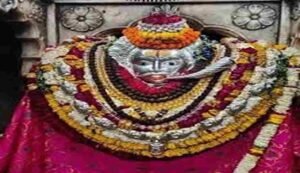
The Mythological Origin of Kaal Bhairav
According to mythology, the origin of Kaal Bhairav is linked to an interesting event. Once, a dispute arose between Lord Brahma and Vishnu regarding who was superior. During this discussion, Brahma insulted Lord Shiva. Enraged, Shiva created a powerful form from his anger, which came to be known as Kaal Bhairav. Kaal Bhairav immediately severed the head of Brahma from which the insult had originated. This resulted in the sin of Brahmahatya (killing of Brahma), which began to haunt Kaal Bhairav. After wandering through many pilgrimage sites, when he reached Kashi, Brahma’s skull fell to the ground, and he was freed from the sin. Lord Shiva blessed him, saying that he would become the protector of Kashi and would be worshipped there forever. Since then, Kaal Bhairav has been the guardian of Kashi and has taken on the responsibility of protecting the city.
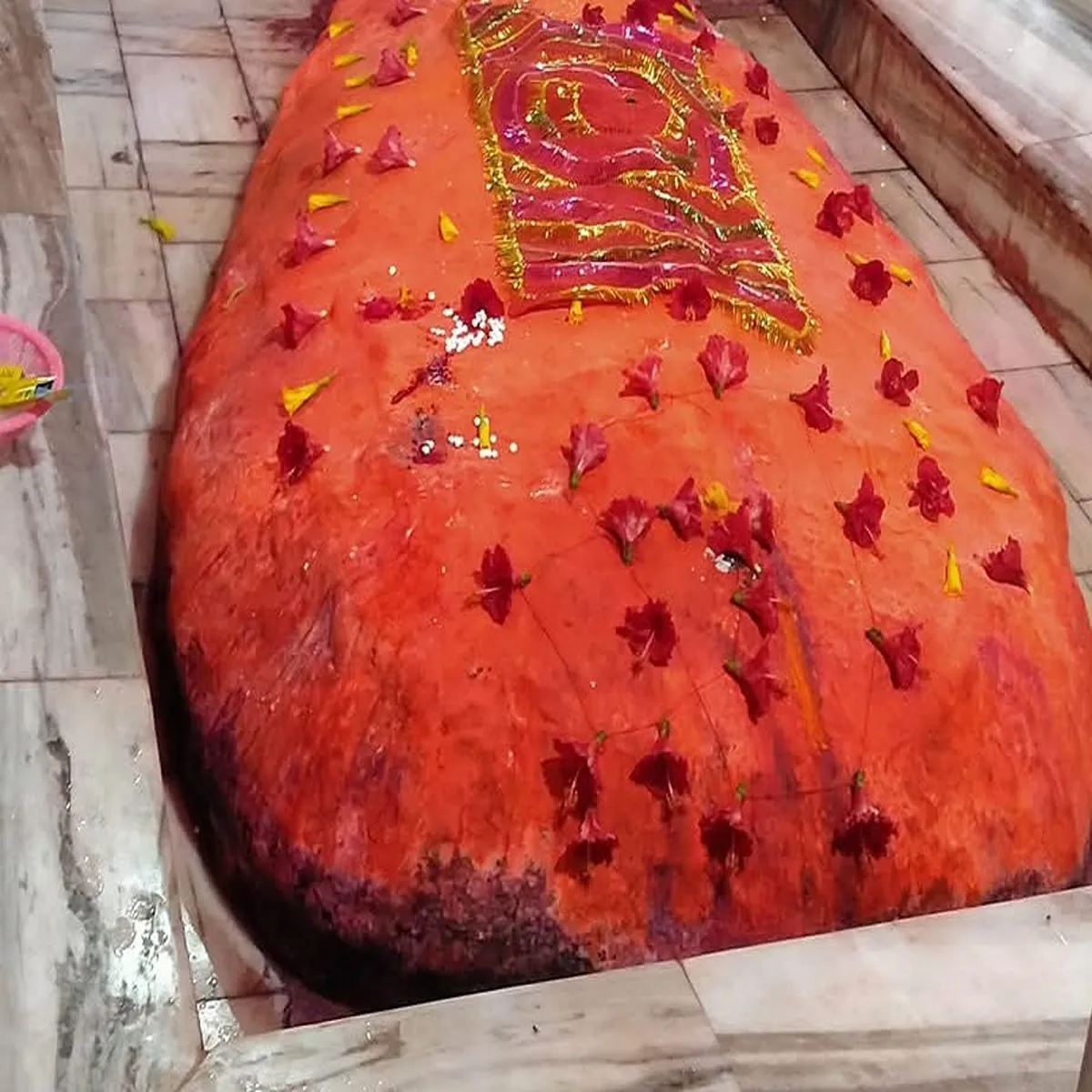
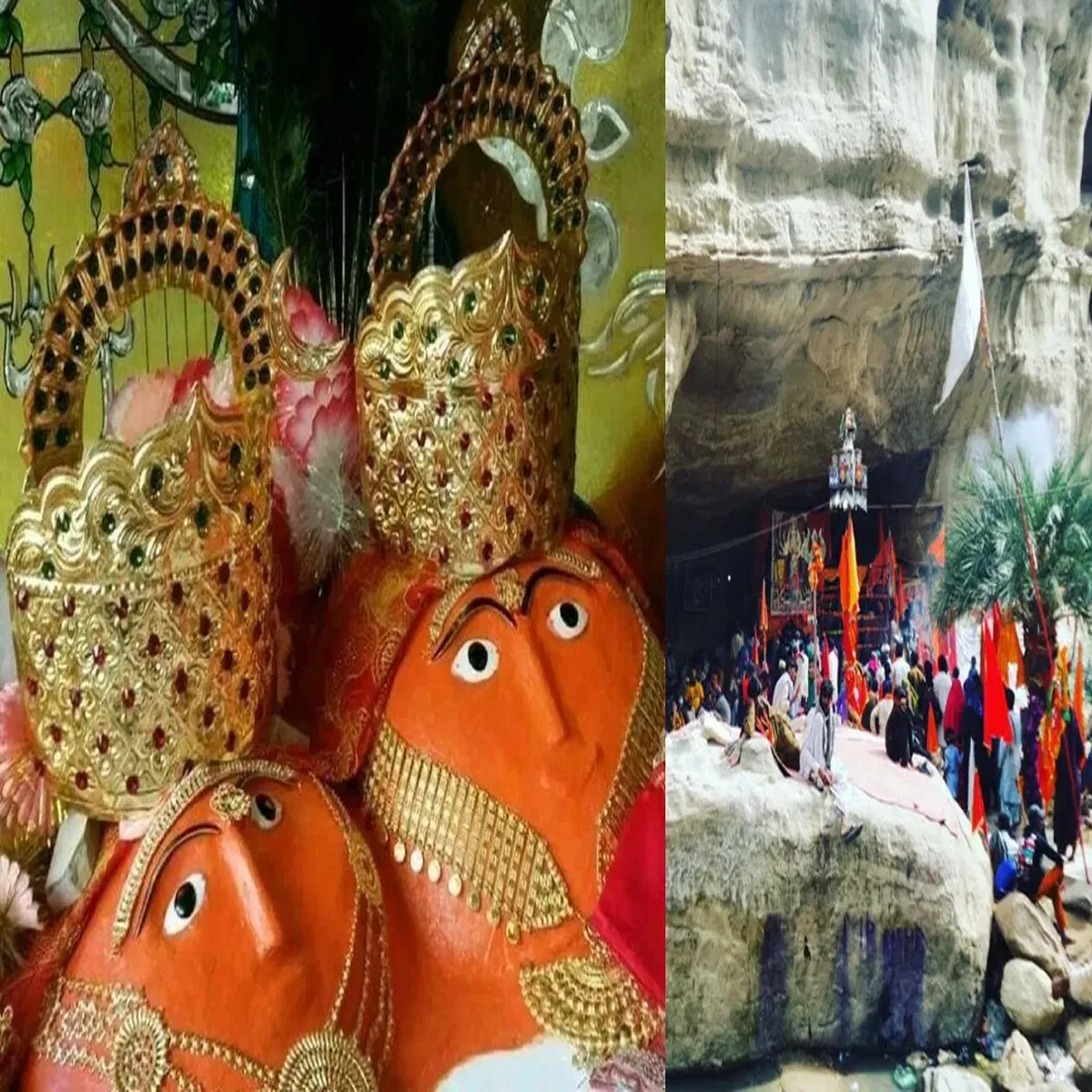
Historical Development of the Temple
The roots of this temple in Varanasi are very ancient. It is mentioned in the Skanda Purana and Kashi Khanda, indicating its age of centuries. However, the current structure was built in the 17th century when various rulers renovated it. Kings like Bajirao Peshwa contributed to its construction. Over time, various trusts and religious organizations have preserved it, ensuring its continued existence today. The temple houses a silver-plated face of Kaal Bhairav, adorned with a garland of skulls and a trident. This form evokes both fear and reverence in the hearts of devotees. Special Puja Rituals and Offerings
The worship rituals at this temple are different from other temples. Here, offerings of liquor, betel leaves, vadas (savory fritters), and mustard oil are made to Baba (Lord Kaal Bhairav). These offerings are traditionally accepted and returned as prasad (blessed food). It is believed that these items are dear to Kaal Bhairav and please him quickly. People suffering from evil spirits, tantric influences, or the evil eye specifically come here. A protective thread (raksha sutra) is also tied at the temple, which is taken home for protection. Sundays and Tuesdays see a large crowd, as it is believed that Baba’s blessings are more abundant on these days.
Religious Significance and Devotees’ Faith
Worshipping Kaal Bhairav removes troubles, fears, and negative energy from one’s life. In Varanasi, it is believed that a pilgrimage to Kashi Vishwanath is incomplete without visiting Kaal Bhairav. Merchants, travelers, and common people come here seeking protection and success. The atmosphere of the temple is such that during the aarti (prayer ceremony), the entire complex resonates with the sound of drums, bells, and damrus (small hand drums). This experience provides devotees with spiritual peace, and they feel that Baba himself is protecting them.
Easy Way to Reach the Temple
The Kaal Bhairav Temple in Varanasi is located in the Vishweshwarganj area. It is approximately 4-5 kilometers from the Kashi Vishwanath Temple and about 5-6 kilometers from Varanasi Junction Railway Station. It is 25 kilometers from Lal Bahadur Shastri International Airport. It can be easily reached from any part of the city by auto-rickshaw, taxi, or cycle rickshaw. Local people are helpful in providing directions. Devotees visit throughout the year, but travel is more convenient during the winter months.
Darshan and Aarti Timings
The temple is open all days of the year. Darshan (viewing of the deity) usually begins with the Mangala Aarti at 5 AM and continues until noon. It reopens in the evening, and devotees can have darshan until the night aarti. Timings may vary on special days, so it’s advisable to confirm with the priests upon arrival. Don’t miss the aarti; the sound and devotion during that time create a unique divine experience. A trip to Varanasi is considered complete and successful only if it begins with a visit to the Kal Bhairav Temple. Every devotee who comes here feels safe and blessed by the grace of Lord Bhairav. This site holds not only religious significance but is also a symbol of Varanasi’s cultural heritage.
Kal Bhairav Temple Varanasi, Kotwal of Kashi, Kal Bhairav Puja rituals, Varanasi Kal Bhairav history, Kal Bhairav darshan timings, Protector Bhairav of Kashi, Varanasi religious sites, Kal Bhairav mythology, Bhairav Baba prasad, Varanasi pilgrimage