Kamakhya Devi Temple: Sacred Power and Living Tradition of in India
Kamakhya Devi Temple: India has long been regarded as the cradle of goddess worship, where Shakti is not only revered but deeply woven into daily life and spiritual philosophy. Among the many sacred centers dedicated to divine feminine energy, the Kamakhya Devi Temple holds a truly unique position. Located on the Nilachal Hill in Guwahati, Assam, this ancient temple is not just a place of devotion but also a living symbol of mystery, tantra, and primal creative power. Its traditions, rituals, and beliefs set it apart from most other religious sites in the world.
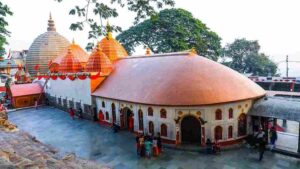
Kamakhya Temple stands at the intersection of faith, mythology, and esoteric practice. For centuries, it has drawn devotees, scholars, and spiritual seekers who are intrigued by its powerful symbolism and deep-rooted customs.
Historical Origins of Kamakhya Devi Temple
The history of Kamakhya Temple is closely linked with ancient Hindu mythology and Puranic traditions. It is believed to be one of the 51 Shakti Peethas, sacred sites that emerged after the self-immolation of Goddess Sati. According to legend, Lord Shiva carried Sati’s body across the cosmos in grief, and to restore balance, Lord Vishnu dismembered the body using his divine discus. Wherever the body parts fell, powerful centers of Shakti were established.
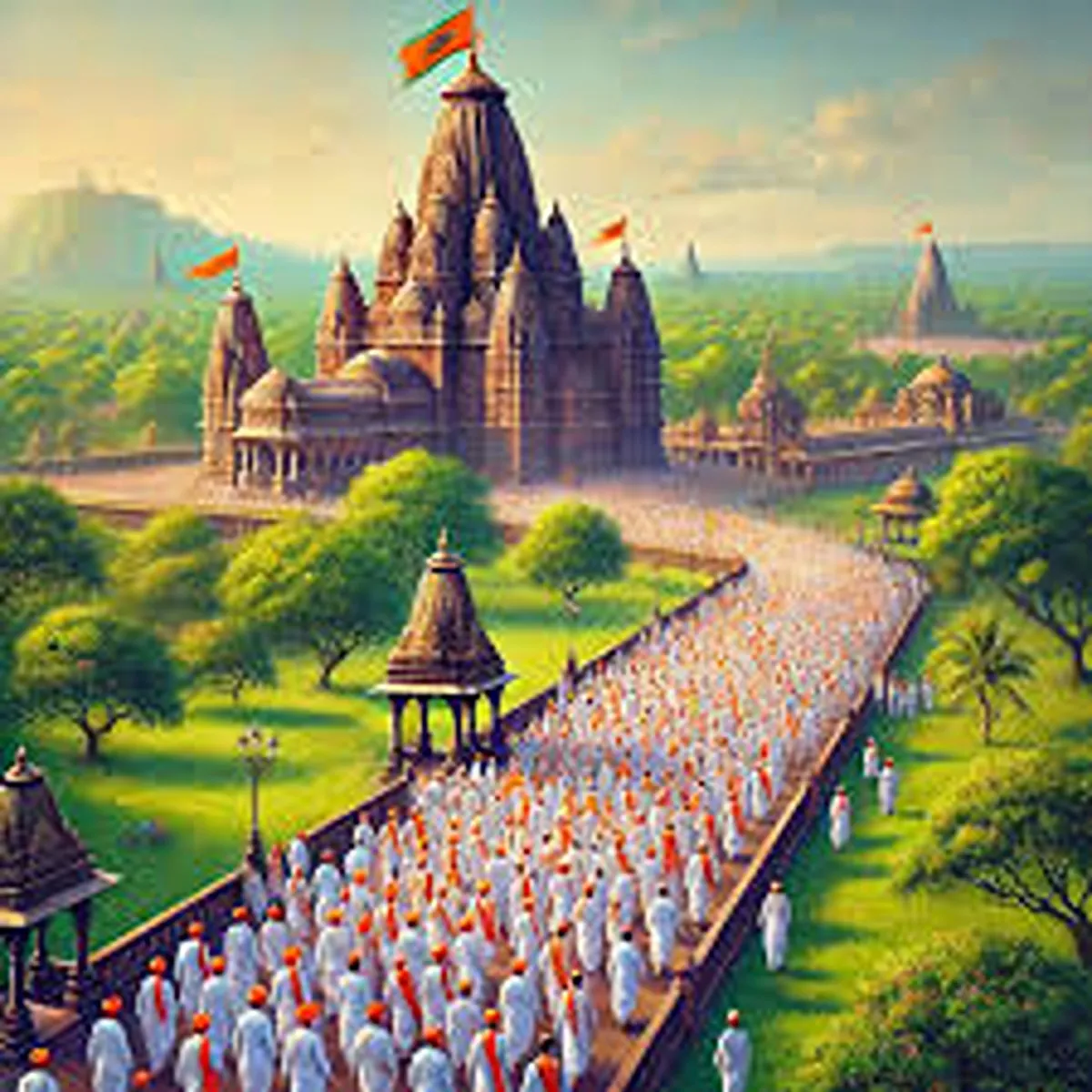
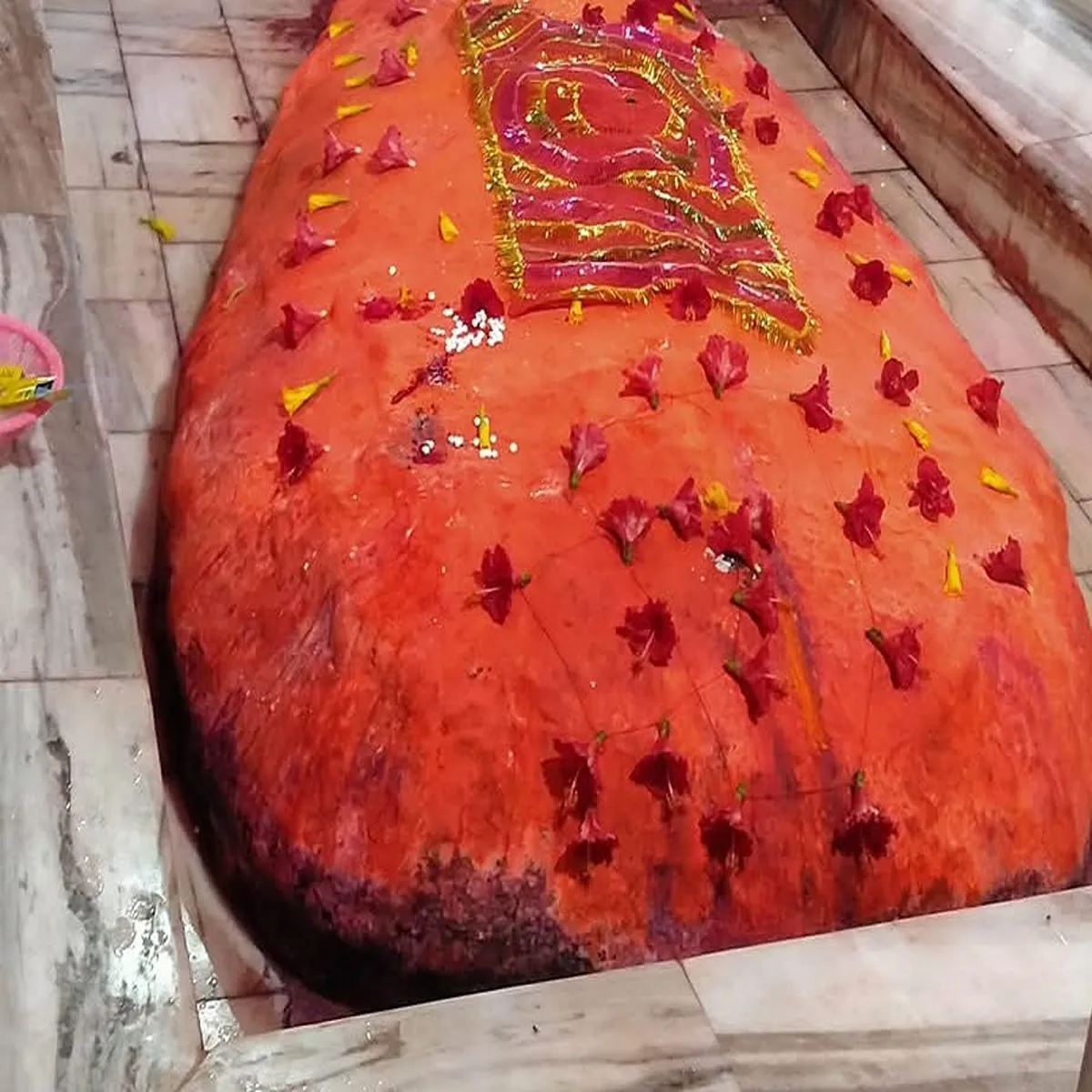
Kamakhya is considered exceptionally significant because it is believed that the womb and reproductive organ of Sati fell at this location. This association with creation, fertility, and feminine energy gives the temple its distinct identity and spiritual importance.
References in Ancient Texts
Kamakhya Devi is extensively mentioned in ancient scriptures such as the Kalika Purana and Tantric texts. These sources describe the temple as a major seat of tantric knowledge and secret spiritual practices. The goddess is associated with desire, creation, and renewal, and is sometimes linked with the revival of Kamadeva, the deity of love, after his destruction.
Such references reinforce the belief that Kamakhya is not only a place of worship but also a center for profound metaphysical understanding and spiritual transformation.
Architectural Features and Sacred Structure
The architectural style of Kamakhya Temple reflects classical Assamese design blended with ancient symbolic elements. The main structure has a beehive-shaped dome, which is both visually striking and spiritually symbolic. The temple complex consists of several chambers, each serving a ritualistic purpose.
Unlike most Hindu temples, there is no idol of the goddess inside the sanctum. Instead, worship is centered around a natural stone formation shaped like a yoni, symbolizing the source of creation. This sacred stone remains covered with cloth and is naturally fed by an underground water spring, which devotees consider highly auspicious.
The Mystery of Ambubachi Ritual
One of the most fascinating aspects of Kamakhya Temple is the annual Ambubachi observance, held during the monsoon season. During this time, it is believed that Goddess Kamakhya undergoes a menstrual cycle. The temple remains closed for three days, symbolizing rest and renewal, and reopens on the fourth day.
During this period, the water flowing in the sanctum is said to turn reddish, representing fertility and creative energy. Devotees receive sacred cloth and water as blessings, which are believed to carry immense spiritual power. This ritual uniquely honors menstruation as a divine and life-giving process rather than a taboo.
Global Center of Tantric Practices
Kamakhya Temple is widely recognized as one of the most important centers of tantric worship in the world. Tantric practitioners visit the temple to perform intense spiritual disciplines aimed at attaining higher consciousness and inner power. Special rituals are conducted during Navratri and other auspicious periods, when spiritual energies are believed to be at their peak.
The temple’s tantric heritage emphasizes balance between material and spiritual life, highlighting the importance of discipline, intention, and inner awakening.
Spiritual and Religious Significance
Devotees believe that visiting Kamakhya Temple helps remove negative influences and grants spiritual strength. Many couples pray here for fertility and family harmony, while seekers pursue inner growth and liberation. The temple stands as a powerful reminder that feminine energy is the foundation of creation and transformation.
Symbol of Feminine Power and Creation
Kamakhya Devi Temple represents a rare spiritual philosophy where womanhood, fertility, and natural cycles are celebrated as sacred. The worship practices here acknowledge that creation begins with feminine energy, making the temple a timeless symbol of balance and respect for nature.
Faith, Belief, and Devotional Traditions
Over centuries, people from all walks of life, including kings, sages, and common devotees, have visited Kamakhya seeking blessings. The temple complex also houses smaller shrines dedicated to other forms of divine energy, enhancing its spiritual depth and diversity.
Tourism and Cultural Importance
Today, Kamakhya Temple is not only a spiritual destination but also a major cultural landmark. Millions of visitors from across India and around the world travel to Guwahati each year to experience its unique traditions. During the Ambubachi period, the city transforms into a vibrant center of devotion and spiritual discourse, supported by modern infrastructure and travel facilities.
Conclusion on Sacred Legacy
Kamakhya Devi Temple is far more than a place of prayer. It is a profound expression of spiritual philosophy, ancient wisdom, and reverence for feminine power. By honoring creation and natural cycles, the temple delivers a timeless message about the divine role of women and the sacredness of life itself. Its history, rituals, and symbolism continue to inspire faith and curiosity across generations and cultures.