Loknath Temple: A Sacred Confluence of Faith, Nature, and Ancient Belief
Loknath Temple: Loknath Temple is one of the most spiritually significant Hindu shrines dedicated to Lord Shiva, located in the Bhojpur region of Bihar, India. This temple is deeply rooted in mythology, devotion, and local tradition. According to long-held beliefs, Lord Rama himself once worshipped Lord Shiva at this sacred place during his exile, which makes the temple exceptionally revered among devotees. What truly sets this temple apart is its naturally submerged Shivling, which remains under water throughout the year due to a continuous natural water source. This rare phenomenon has made the temple a center of curiosity, devotion, and spiritual attraction for centuries.

Historical and Mythological Significance
The history of Loknath Temple is closely connected with ancient Hindu mythology. Local legends suggest that during his journey, Lord Rama stopped at this sacred site and performed worship of Lord Shiva to seek divine blessings. This belief has been passed down through generations and continues to strengthen the spiritual importance of the temple. Over time, the temple became a prominent pilgrimage destination, drawing saints, sages, and devotees who wished to connect with the divine energy believed to reside here.
Unique Feature of the Submerged Shivling
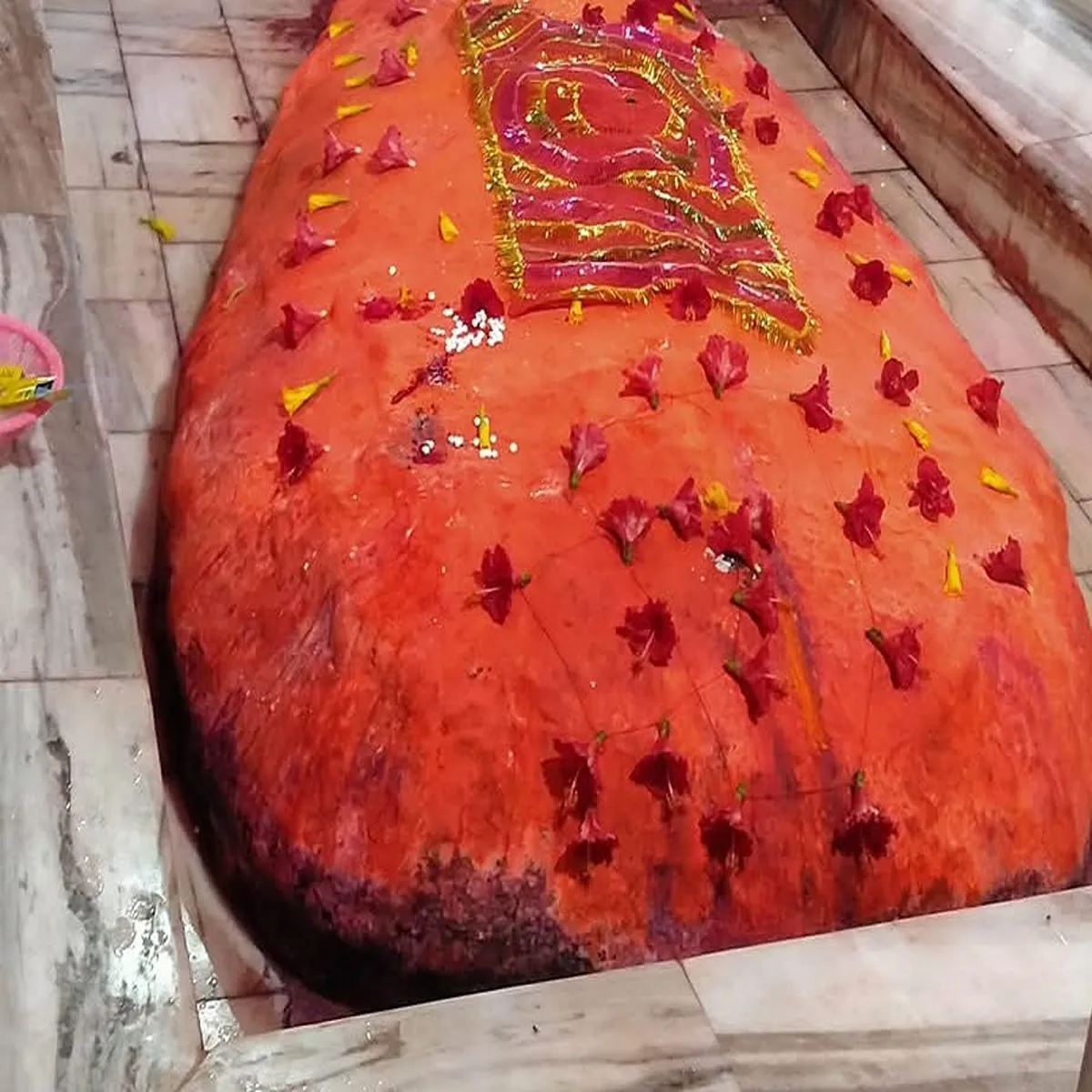
One of the most remarkable aspects of Loknath Temple is the Shivling that remains immersed in water all year round. Unlike most Shiva temples where water is offered by devotees during rituals, here the Shivling is naturally surrounded by water that continuously flows from an underground source. This natural phenomenon is considered highly auspicious and symbolic of eternal purity and uninterrupted devotion. Many devotees believe that prayers offered at this site are especially powerful due to this divine natural arrangement.

Spiritual Atmosphere and Daily Worship
The temple maintains a calm and spiritually charged atmosphere that deeply affects visitors. Daily rituals are performed by experienced priests who follow traditional methods of worship. The sound of sacred chants, the fragrance of incense, and the gentle movement of water around the Shivling together create an environment of deep meditation and peace. Devotees visit the temple early in the morning and during evenings to experience the most serene moments of worship.
Importance During Festivals and Special Occasions
Loknath Temple witnesses a massive influx of devotees during major Hindu festivals, especially during Mahashivratri and the holy month of Shravan. During these times, the temple becomes a vibrant center of devotion, with pilgrims arriving from nearby towns and distant regions. Special prayers, religious gatherings, and spiritual discourses are organized, enhancing the religious significance of the temple. The faith of devotees during these festivals reflects the enduring spiritual legacy of the shrine.
Architectural Simplicity and Cultural Value
While the temple may not be grand in architectural complexity, its simplicity adds to its spiritual charm. The structure reflects traditional North Indian temple design, focused more on devotion than ornamentation. Over the years, Loknath Temple has become an integral part of local culture and identity. It serves not only as a religious site but also as a cultural landmark that connects the community through shared beliefs and traditions.
Pilgrimage and Modern Relevance
In the modern era, Loknath Temple continues to hold strong relevance among spiritual seekers and religious tourists. People visit the temple seeking peace of mind, blessings, and solutions to personal challenges. Despite changing times, the temple remains a symbol of unwavering faith and timeless devotion. Its natural water-filled Shivling and association with ancient mythology make it a unique spiritual destination in eastern India.
Conclusion
Loknath Temple stands as a powerful reminder of India’s rich spiritual heritage. Its connection with Lord Rama, dedication to Lord Shiva, and the rare naturally submerged Shivling together create a sacred space filled with devotion and mystery. For devotees and travelers alike, the temple offers a deeply moving spiritual experience rooted in faith, tradition, and divine belief.