Mahabharata – Ancient Legend Behind Gorakhpur’s Bhim Sarovar
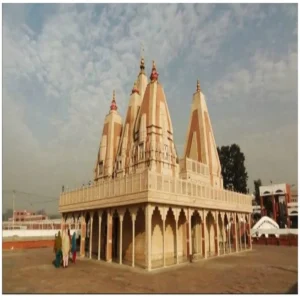
Mahabharata – In the eastern Uttar Pradesh city of Gorakhpur, a centuries-old temple complex draws thousands of visitors each year not only for spiritual reasons but also for a legend rooted in the Mahabharata. Inside the historic Gorakhnath Temple lies a pond known as Bhim Sarovar, associated with the powerful Pandava prince Bhima.
A Sacred Pond Within the Temple Grounds

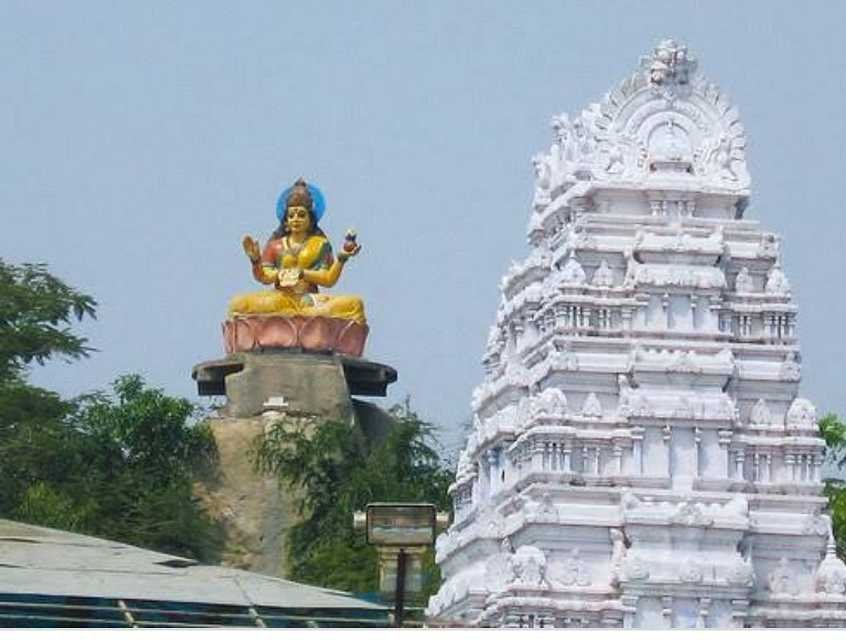
The Bhim Sarovar is located within the premises of the Gorakhnath Temple, one of the most prominent religious landmarks in Gorakhpur. According to local belief, the pond was formed at the very spot where Bhima is said to have rested during his visit to the region. Pilgrims and tourists from across the country come to see the site, intrigued by the story that connects the temple to India’s epic past.
Close to the pond stands a shrine dedicated to Bhima, featuring a large reclining statue that has become a defining symbol of the temple complex. Devotees often pause here to offer prayers and learn about the legend associated with the mighty warrior.
The Legend of Bhima’s Visit
As per traditional accounts, Bhima, the son of King Pandu and younger brother of Yudhishthira, traveled to this region during the era described in the Mahabharata. It is believed that he came to invite Guru Gorakhnath to attend Yudhishthira’s Rajasuya Yagna, a grand royal ritual performed to establish sovereignty.
Local narratives suggest that when Bhima arrived, Guru Gorakhnath was deep in meditation. Unable to disturb him, the warrior decided to wait. During this period of rest, he is believed to have reclined at the spot where the pond now exists. Over time, this location came to be known as Bhim Sarovar, and the story became an integral part of the temple’s identity.
While historians note that exact dates related to Guru Gorakhnath’s life remain uncertain, the oral traditions linking the temple to the Mahabharata period have been passed down through generations. For many devotees, the presence of Bhima’s statue serves as living testimony to this ancient connection.
Historical Significance of Gorakhnath Temple
The Gorakhnath Temple itself holds a central place in the cultural and spiritual life of Gorakhpur. The city is widely believed to have derived its name from Guru Gorakhnath, a revered medieval Hindu saint and yogi. Over the centuries, the temple has evolved into a major pilgrimage center in Uttar Pradesh.
The complex features multiple shrines, open courtyards, and spaces for religious gatherings. Festivals and special occasions draw large crowds, and the Bhim Sarovar becomes a focal point for visitors eager to explore its mythological roots.
Scholars emphasize that while legends enrich the spiritual atmosphere of such sites, they are primarily sustained through faith and community memory. Nevertheless, the blending of mythology and history has helped preserve the temple’s relevance across generations.
A Blend of Faith and Cultural Memory
Today, Bhim Sarovar stands as more than just a water body within a temple complex. It represents a story that bridges epic literature, medieval spiritual traditions, and present-day devotion. Visitors often describe a sense of continuity between the ancient narrative of the Mahabharata and the living traditions practiced at the temple.
For Gorakhpur, the association with Bhima adds a distinctive dimension to its cultural heritage. The reclining statue and the serene pond continue to attract pilgrims, history enthusiasts, and travelers seeking to understand the layered past of the region.
As the temple remains active with daily rituals and seasonal festivals, Bhim Sarovar continues to be a quiet yet powerful reminder of the stories that shape India’s sacred geography.