Mahakaleshwar Temple Ujjain: History, Architecture, Spiritual Importance, and Visitor Guide
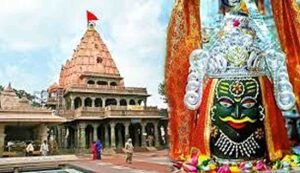
Mahakaleshwar Temple, Ujjain: Mahakaleshwar Temple is one of the most revered Hindu temples in India and a central spiritual landmark of Ujjain. Located near the sacred Rudra Sagar Lake in the state of Madhya Pradesh, this ancient shrine is dedicated to Lord Shiva in his Mahakal form, the supreme ruler of time and death. Recognized as the third among the twelve Jyotirlingas of Lord Shiva, the temple attracts millions of devotees and spiritual seekers every year. Its deep mythological roots, unique architectural design, and profound religious significance make it an essential destination for pilgrims and travelers alike.
Historical Background of Mahakaleshwar Temple
The history of Mahakaleshwar Temple is deeply embedded in Hindu legends and ancient scriptures. According to traditional belief, King Chandrasen of Ujjain was a devoted worshipper of Lord Shiva. A young boy named Shreekhar, inspired by the king’s devotion, also began worshipping Shiva with great faith. When rival rulers planned an attack on Ujjain with the help of the demon Dushan, chaos spread across the city.
Moved by the sincere prayers of devotees, Lord Shiva manifested himself in the fierce form of Mahakal to protect the city and its people. After defeating the enemies, Shiva agreed to reside permanently in Ujjain to safeguard his devotees. It is believed that since that divine moment, Lord Shiva has lived in the form of the Mahakal Jyotirlinga, blessing those who worship him with protection from fear, disease, and untimely death.
Historically, the temple has faced several invasions and periods of destruction. During the medieval era, parts of the temple were damaged, but it was later rebuilt and restored. In the eighteenth century, the present structure was developed under the patronage of the Maratha ruler Ranoji Shinde. Since then, continuous renovations have preserved its spiritual and cultural legacy.
Architectural Excellence of Mahakaleshwar Temple
The architecture of Mahakaleshwar Temple reflects a harmonious blend of ancient Indian design principles and regional artistic styles. Spread across five levels, the temple complex is massive, majestic, and visually captivating. Each level offers a distinct spiritual and aesthetic experience, making the temple a masterpiece of sacred architecture.
The temple incorporates elements from Chalukya, Maratha, and Bhumija architectural traditions. Intricate stone carvings, detailed sculptures, and finely crafted pillars highlight the exceptional skill of ancient artisans. The sanctum housing the Mahakal Jyotirlinga is located underground, which adds to the temple’s mystique and spiritual depth.
Within the temple complex, devotees can also find shrines dedicated to Omkareshwar and Nagchandreshwar. A serene water pond nearby enhances the sacred atmosphere of the temple premises. The structural grandeur, combined with spiritual symbolism, makes Mahakaleshwar Temple an architectural wonder admired by historians and devotees alike.
Religious and Spiritual Importance
Mahakaleshwar Temple holds immense importance in Hindu spirituality. Lord Mahakal represents the power that governs time, life, and death. Worshipping here is believed to liberate devotees from fear, negative energies, and the cycle of suffering. The Mahakal Jyotirlinga is considered self-manifested and self-energized, unlike other sacred representations that require ritual activation.
A unique feature of this Jyotirlinga is its south-facing orientation, symbolizing Shiva’s control over death. Devotees believe that prayers offered here provide protection from untimely death and grant inner peace. The temple is also renowned for the Bhasma Aarti, a rare ritual performed early in the morning using sacred ash, representing the transient nature of life.
Darshan Timings and Daily Rituals
Mahakaleshwar Temple remains open for devotees from early morning at 4:00 AM until 11:00 PM. Throughout the day, various rituals and aartis are performed, including morning, afternoon, and evening worship ceremonies. Unlike many temples, Mahakaleshwar Temple does not close during the afternoon, allowing continuous darshan for pilgrims.
The Bhasma Aarti, conducted at dawn, is one of the most significant rituals and draws devotees from across the country. Participation in this ritual requires prior registration due to its popularity and spiritual significance.
How to Reach Mahakaleshwar Temple
Reaching Mahakaleshwar Temple is convenient due to Ujjain’s well-developed transport network. The nearest airport is Devi Ahilyabai Holkar International Airport in Indore, located approximately sixty kilometers away. Regular flights connect Indore with major Indian cities.
Ujjain has its own railway station, offering direct train connectivity with cities such as Delhi, Mumbai, Kolkata, Chennai, Bengaluru, Hyderabad, and Varanasi. Road connectivity is equally efficient, with buses and taxis readily available from Indore and nearby towns.
Conclusion
Mahakaleshwar Temple stands as a timeless symbol of faith, devotion, and spiritual power. Its rich history, magnificent architecture, and deep religious significance make it one of the most important pilgrimage destinations in India. A visit to this sacred temple is not just a journey to a holy place, but a profound spiritual experience that leaves a lasting impression on the mind and soul.