Mandala Pooja at Sabarimala: A Sacred Journey of Discipline and Devotion
Mandala Pooja at Sabarimala: Mandala Pooja is one of the most revered rituals celebrated at the famous Sabarimala Ayyappa Temple in Kerala. It represents the culmination of an intense forty-one day period of spiritual discipline, devotion, and self-purification observed by devotees of Lord Ayyappa. In 2025, Mandala Pooja will be observed with grandeur and deep spiritual emotion on Saturday, 27 December. This sacred occasion draws millions of pilgrims from across India and abroad, symbolizing faith, unity, and divine surrender.
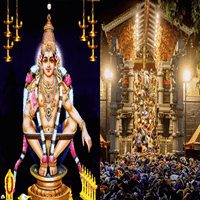
According to the Malayalam calendar, Mandala Pooja is observed on the 11th or 12th day of the Dhanu month, which generally falls in December or January as per the Gregorian calendar. The ritual marks a significant milestone in the annual Sabarimala pilgrimage season.
The Beginning of the Mandala Vratham
The preparations for Mandala Pooja begin forty-one days prior, starting on the first day of the Vrischikam month. This period is known as the Mandala Vratham, a time when devotees undertake strict spiritual observances as an essential part of their journey toward Sabarimala. The vratham is followed with immense reverence and commitment, as it prepares both the mind and body for divine communion.

The Forty-One Day Spiritual Discipline
The forty-one day observance before Mandala Pooja holds profound spiritual importance. During this period, devotees follow strict rules and disciplines that shape their daily lives and thoughts.
Devotees completely avoid non-vegetarian food and consume only simple vegetarian meals. This dietary discipline is believed to purify the body and calm the senses. Alongside dietary control, devotees practice celibacy and maintain moral purity, distancing themselves from worldly pleasures and distractions.
Wearing simple black, blue, or saffron clothing is another essential practice. These colors symbolize humility, renunciation, and equality. Devotees also walk barefoot throughout the vratham period, reflecting surrender, simplicity, and endurance.
Daily prayers, visits to local temples, and constant chanting of Lord Ayyappa’s name become an integral part of life during these forty-one days. This disciplined routine is not merely ritualistic but a transformative spiritual journey that prepares devotees for the sacred pilgrimage and the final observance of Mandala Pooja.
Rituals Performed on Mandala Pooja Day
On the day of Mandala Pooja, the Sabarimala Ayyappa Temple becomes the center of elaborate rituals and sacred ceremonies. The temple is beautifully decorated, and the entire atmosphere resonates with divine chants, devotional music, and spiritual energy.
Special poojas and abhishekam are performed for Lord Ayyappa using sacred offerings such as flowers, coconuts, ghee, and camphor. Thousands of lamps are lit across the temple premises, creating a mesmerizing and spiritually uplifting दृश्य.
Devotees continuously chant sacred mantras seeking divine blessings. Pilgrims carry the traditional irumudi kettu, a sacred bundle containing offerings, as a symbol of their completed vratham and devotion. The culmination of Mandala Pooja signifies the successful completion of the forty-one day spiritual discipline.
Spiritual Importance of Mandala Pooja
Mandala Pooja holds deep spiritual significance for followers of Lord Ayyappa. It stands as a symbol of discipline, devotion, and inner transformation. The prolonged period of austerity instills self-control, humility, and mental strength among devotees.
The practices followed during the vratham are believed to purify both mind and body, allowing devotees to connect deeply with divine consciousness. It is widely believed that observing Mandala Pooja with sincerity brings peace, prosperity, and divine grace into one’s life.
Surrounded by lush forests and serene hills, the Sabarimala Temple represents unity and inclusiveness, welcoming devotees from all walks of life, reinforcing the values of equality and collective faith.
Mandala Pooja and Makara Vilakku
Soon after Mandala Pooja, another major festival known as Makara Vilakku is celebrated at Sabarimala. Together, these two events form the most significant phase of the pilgrimage season. During this time, the temple remains open for extended periods, allowing millions of pilgrims to seek blessings.
The scale and devotion associated with these festivals make Sabarimala one of the most visited pilgrimage destinations in the world.
Mandala Pooja is not just a religious ceremony but a deeply meaningful spiritual journey. It offers devotees an opportunity to reflect on life, strengthen faith, and experience spiritual growth. As Mandala Pooja approaches, devotees once again gather at the sacred hills of Sabarimala, united in devotion, chanting in unison, and creating an atmosphere filled with divine energy and timeless faith.