Matru Gaya: The Sacred Destination Dedicated to Maternal Salvation in India
Matru Gaya: often overshadowed by the fame of Gaya during Pitru Paksha, holds a deeply spiritual and emotional significance in Hindu traditions. While Gaya is widely known for ancestral rituals performed for fathers and forefathers, there exists a unique and ancient pilgrimage site in India dedicated exclusively to rituals for mothers. This sacred place is Siddhpur, located in the Patan district of Gujarat, and is traditionally known as Matru Gaya. For centuries, devotees have visited this holy land to perform maternal shraddha and pind daan, believing that rituals performed here grant peace and liberation to a mother’s soul.
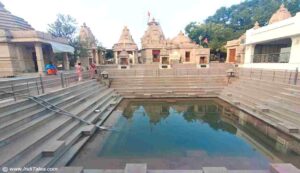
The Spiritual Importance of Siddhpur
Siddhpur is not just another pilgrimage town; it carries a profound mythological and spiritual legacy. According to ancient Hindu scriptures, this sacred land is closely associated with Kapil Muni, an incarnation of Lord Shiva. It is believed that Kapil Muni performed intense penance here to help his mother attain salvation. Through spiritual knowledge and devotion imparted by her son, his mother achieved moksha at this very place. Because of this divine event, Siddhpur came to be recognized as the most sacred destination for maternal rituals, earning the revered title of Matru Gaya.
The Saraswati River and Its Sacred Role
One of the most mystical aspects of Siddhpur is the presence of the Saraswati River. Though considered a hidden or underground river in many parts of India, in Siddhpur the river is believed to flow from the netherworld. Devotees consider a holy dip in the Saraswati River extremely auspicious, especially before performing maternal pind daan. It is believed that bathing in this river cleanses one of emotional debts and karmic responsibilities toward one’s mother. The river adds immense spiritual depth to the rituals conducted here and strengthens the belief that maternal shraddha performed at Siddhpur directly reaches the departed soul.
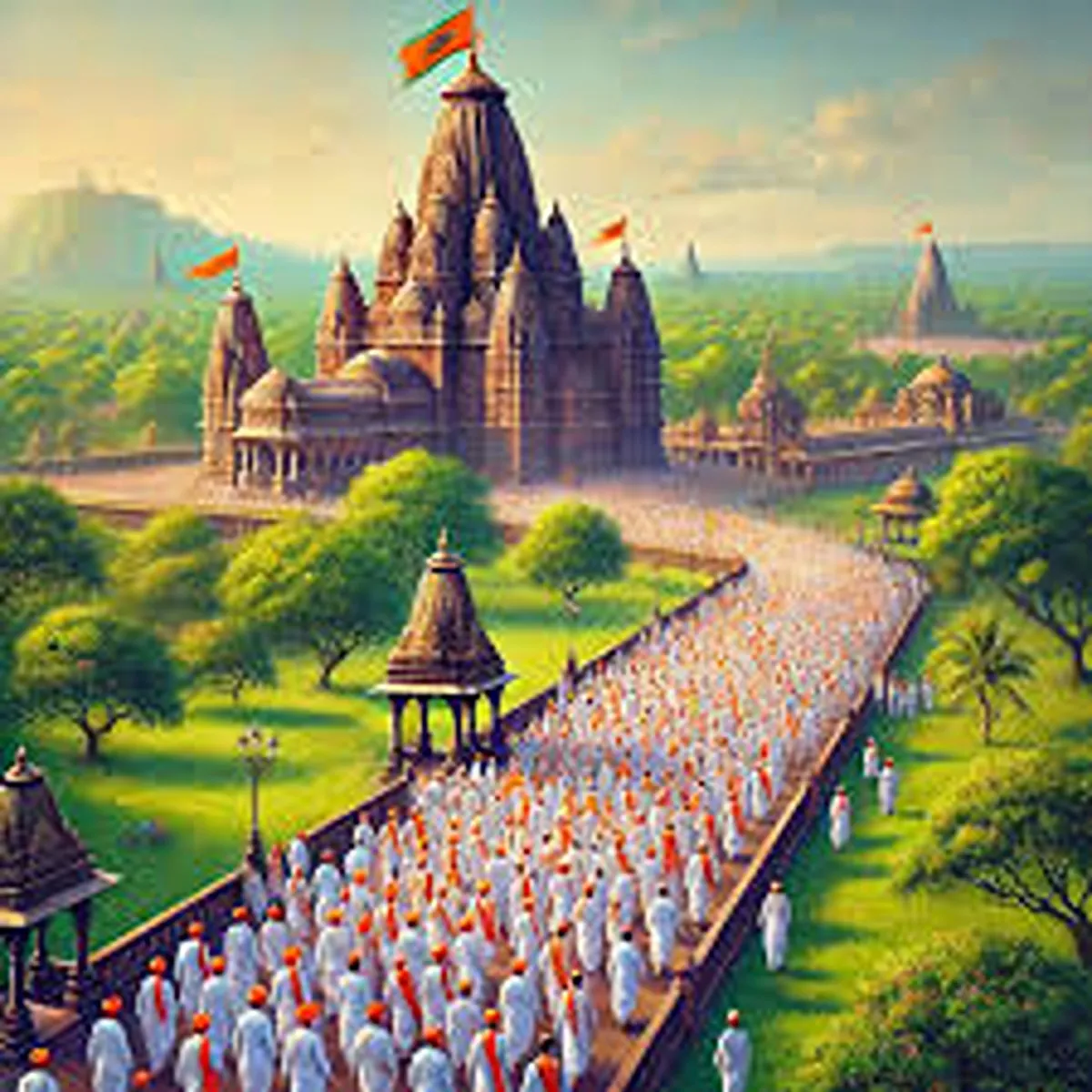
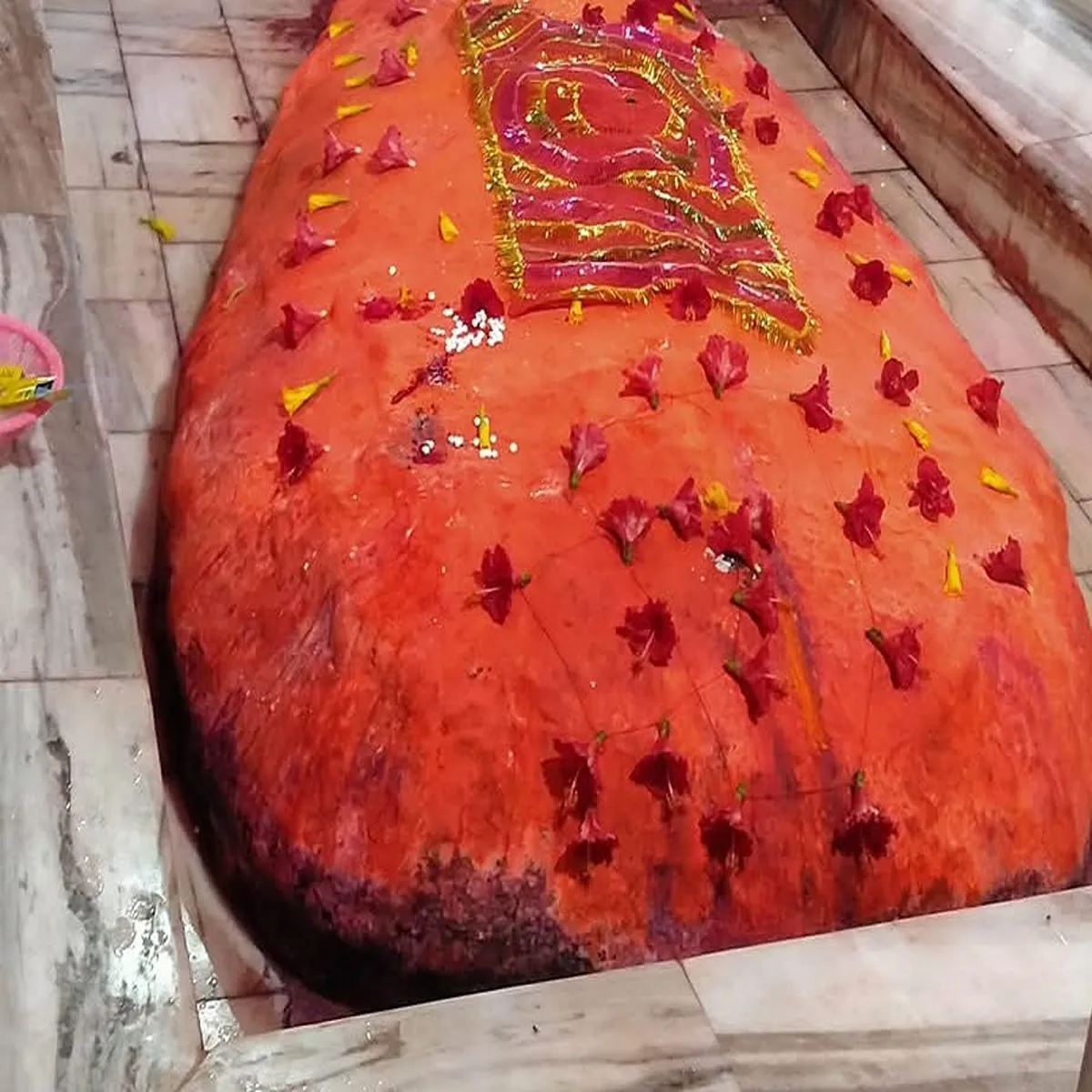
A Unique Tradition of Maternal Shraddha
India is home to several renowned pilgrimage sites such as Gaya, Haridwar, and Varanasi where ancestral rituals are performed. However, Siddhpur stands apart due to its exclusive tradition. It is the only place in the country where rituals are performed solely for mothers. No paternal shraddha is conducted here. This rare and sacred tradition distinguishes Siddhpur from all other spiritual destinations. People from different parts of India travel here with unwavering faith to perform rituals for their mothers, believing that the blessings received here are eternal and powerful.
Beliefs Associated with Pind Daan at Matru Gaya
Devotees firmly believe that performing pind daan at Matru Gaya frees a mother’s soul from the cycle of birth and rebirth. It is said that rituals conducted here reach the soul instantly, offering peace, liberation, and divine grace. Many people consider it their moral and spiritual responsibility to visit Siddhpur at least once in their lifetime to honor their mother’s contribution and sacrifices. This belief has been passed down through generations, making Siddhpur a timeless center of maternal devotion.
Historical and Mythological References
The significance of Siddhpur is deeply rooted in ancient texts and legends. Mythology states that even Parshuram, one of the revered avatars of Lord Vishnu, performed maternal shraddha at this sacred site. Such references further enhance the spiritual credibility of Matru Gaya. The association with Kapil Muni and other revered sages makes Siddhpur a powerful symbol of gratitude, devotion, and maternal respect in Hindu philosophy.
Visits by Renowned Personalities
The spiritual stature of Siddhpur has attracted not only common devotees but also well-known personalities. Guru Golwalkar, the former chief of Rashtriya Swayamsevak Sangh, performed maternal shraddha here, acknowledging the ancient tradition. In more recent times, Bollywood legend Amitabh Bachchan visited Siddhpur to perform pind daan rituals for his mother, Teji Bachchan. Such visits have brought wider recognition to Matru Gaya and reinforced its importance in modern times.
Why Matru Gaya Remains Relevant Today
In today’s fast-paced world, traditional values often take a back seat. However, Siddhpur continues to remind people of the irreplaceable role of a mother in one’s life. The rituals performed here are not merely religious acts but expressions of gratitude, love, and emotional closure. Matru Gaya stands as a spiritual bridge between generations, allowing individuals to fulfill their duties toward their mothers even after their departure from the physical world.