Naina Devi Temple: A Sacred Shakti Peeth of Faith, History, and Divine Power
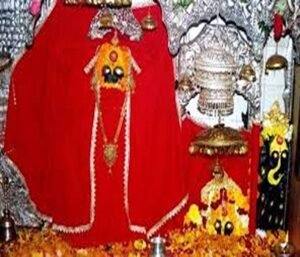
Naina Devi Temple: The Naina Devi Temple, located in Bilaspur district of Himachal Pradesh and closely associated with Nainital district of Uttarakhand, is one of the most revered Shakti Peeths in India. This sacred shrine represents an extraordinary blend of devotion, mythology, history, and cultural heritage. Every year, millions of devotees from across the country visit this holy place seeking spiritual peace, divine blessings, and inner strength. According to ancient beliefs, this temple is associated with Goddess Sati, whose divine eyes fell at these sacred locations, giving the temple its powerful identity as Naina Devi.
Mythological Origins of Naina Devi Temple
According to Hindu mythology, after the death of Goddess Sati, Lord Shiva wandered across the universe carrying her lifeless body in deep grief. To restore cosmic balance, Lord Vishnu used his Sudarshan Chakra to divide Sati’s body into several parts. Wherever these parts fell, Shakti Peeths were established. It is believed that Goddess Sati’s eyes fell at two significant locations: her left eye in Nainital, Uttarakhand, and her right eye in Bilaspur, Himachal Pradesh. Due to this belief, both places are worshipped as sacred centers of Goddess Naina Devi, and the name Nainital itself originated from the word “Naina,” meaning eye.
Naina Devi Temple in Nainital, Uttarakhand
The Naina Devi Temple in Nainital is situated near the famous Naini Lake. Devotees believe this is the place where Goddess Sati’s left eye fell. The lake is considered holy and adds to the spiritual atmosphere of the region. Over time, Naini Lake and the temple together became the spiritual foundation of Nainital, making it an important pilgrimage destination as well as a popular hill station.

Naina Devi Temple in Bilaspur, Himachal Pradesh
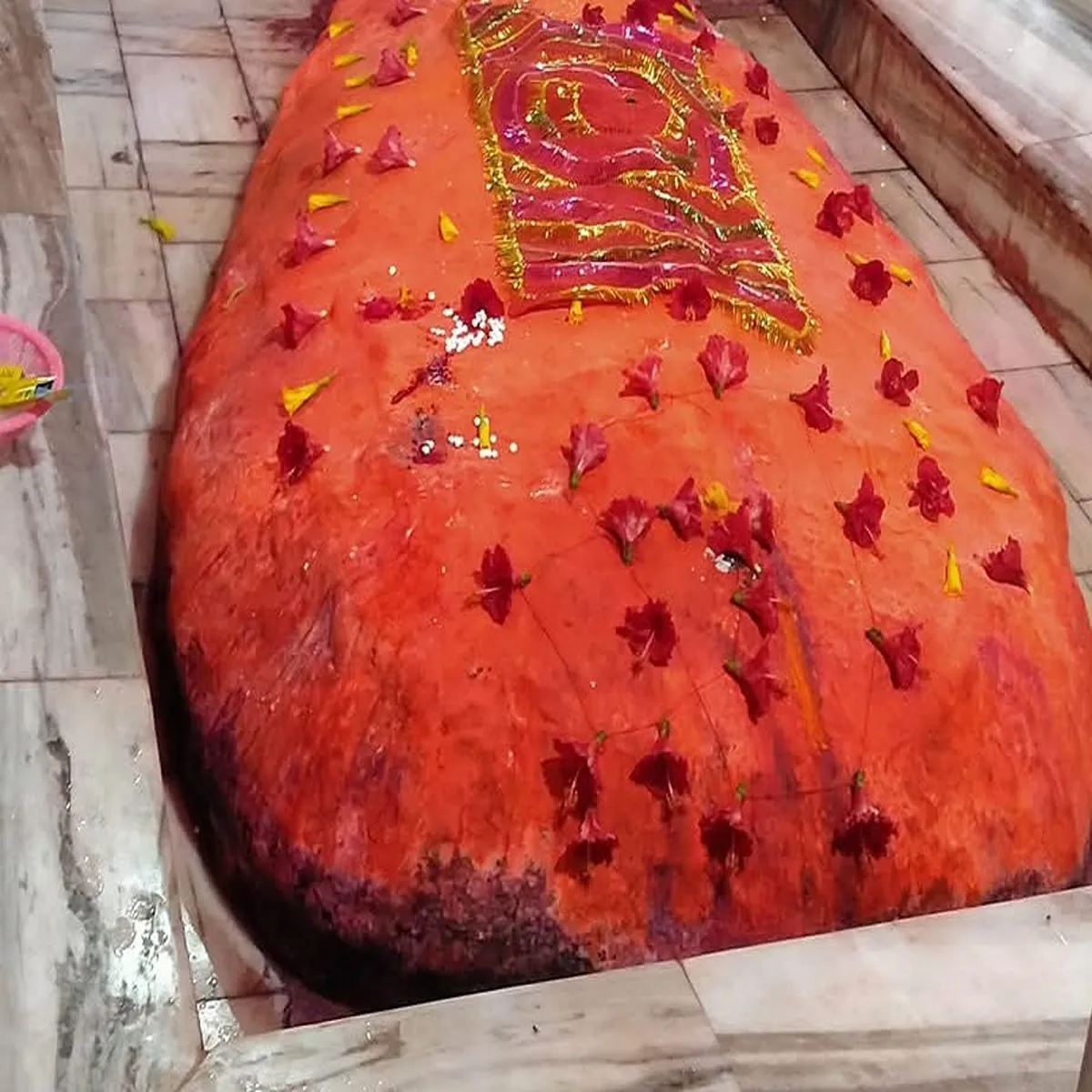
In Bilaspur district, the Naina Devi Temple is equally significant. It is believed that Goddess Sati’s right eye fell here. The temple is located on a hilltop near the Gobind Sagar Lake, offering a breathtaking view that enhances its divine aura. Devotees worship Goddess Naina Devi here as a powerful symbol of strength, protection, and compassion.
Historical Significance
The history of the Naina Devi Temple dates back thousands of years. Ancient texts suggest that sages and saints visited this place for meditation and penance. Several Rajput and hill rulers supported the temple’s development and preservation, contributing to its architectural and cultural importance. During the 20th century, the construction of the Bhakra Dam brought renewed attention to the temple, as engineers and workers also visited to seek blessings for safety and success.
Mysteries and Unique Features
The temple is believed to be a self-manifested Shakti Peeth, meaning the divine energy emerged naturally rather than being installed by human hands. An eternal flame is said to burn continuously within the temple, symbolizing unwavering faith. The view of Gobind Sagar Lake from the temple adds a mystical charm, while grand religious fairs held throughout the year attract massive gatherings of devotees.
Religious Beliefs and Devotional Importance
Devotees believe that sincere prayers at the Naina Devi Temple fulfill wishes and remove obstacles from life. Many people visit the temple seeking relief from past sins, prosperity, courage, and inner peace. Couples pray here for childbirth blessings, while soldiers and warriors seek strength and bravery before facing challenges.
Role in Local Culture and Traditions
Goddess Naina Devi holds a central place in the cultural life of Himachal Pradesh. Local communities begin auspicious events with prayers to the goddess. Festivals, weddings, and traditional ceremonies often include her worship, reflecting her deep-rooted influence on regional customs.
Fairs, Festivals, and Pilgrimages
The temple hosts several major religious events throughout the year. The Shravan Ashtami Fair is one of the most significant, drawing thousands of devotees. During Chaitra and Sharadiya Navratri, the temple experiences an enormous influx of pilgrims. Night-long devotional singing and prayer gatherings further enhance the spiritual environment.
Connection with Sikh History
The Naina Devi Temple also shares a unique connection with Sikh history. It is believed that Guru Gobind Singh Ji visited the temple to seek blessings before his battles against the Mughals. Afterward, he established the Khalsa Panth. A historic Gurudwara near the temple stands as a symbol of unity and mutual respect between Hindu and Sikh traditions.
Accessibility and Modern Facilities
Earlier, pilgrims had to undertake difficult foot journeys to reach the temple. Today, improved road connectivity and a ropeway system have made access easier and safer for visitors of all ages. These modern facilities have significantly enhanced the pilgrimage experience.
Spiritual Legends and Enduring Faith
Many devotees share experiences of divine protection and miraculous help after visiting the temple. Local belief holds that no one reaches the shrine without the goddess’s will. Today, the Naina Devi Temple is recognized as a major religious tourism destination, attracting both Indian and international visitors.
Conclusion: A Symbol of Faith and Power
The Naina Devi Temple is not merely a place of worship but a living symbol of devotion, history, and cultural unity. It offers spiritual strength, emotional peace, and a deep sense of connection to ancient traditions. Whether viewed as a Shakti Peeth, a historical monument, or a cultural landmark, the Naina Devi Temple remains an invaluable treasure of Indian heritage.