Temple – Ancient Thave Shrine Draws Devotees Year-Round
Temple – Bihar is home to several historic pilgrimage destinations, but one temple that consistently draws visitors is the revered Thave shrine in Gopalganj district. Devotees arriving for religious travel or leisure often make it a point to seek blessings at this centuries-old temple dedicated to Goddess Singhāsini Bhavani. Local belief holds that sincere prayers offered here are fulfilled, strengthening the temple’s enduring spiritual significance.
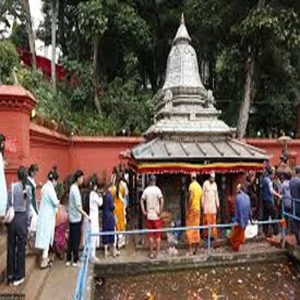
Location and Religious Importance
Situated about six kilometers from Gopalganj town along the road leading to Siwan, the temple stands at a place known as Thave. The deity worshipped here is addressed by various names, including Singhāsini Bhavani, Thave Bhavani, and Rahshu Bhavani. While worshippers visit throughout the year, the temple witnesses a remarkable surge in footfall during Sharadiya Navratri and Chaitra Navratri, when thousands gather for special prayers and rituals.
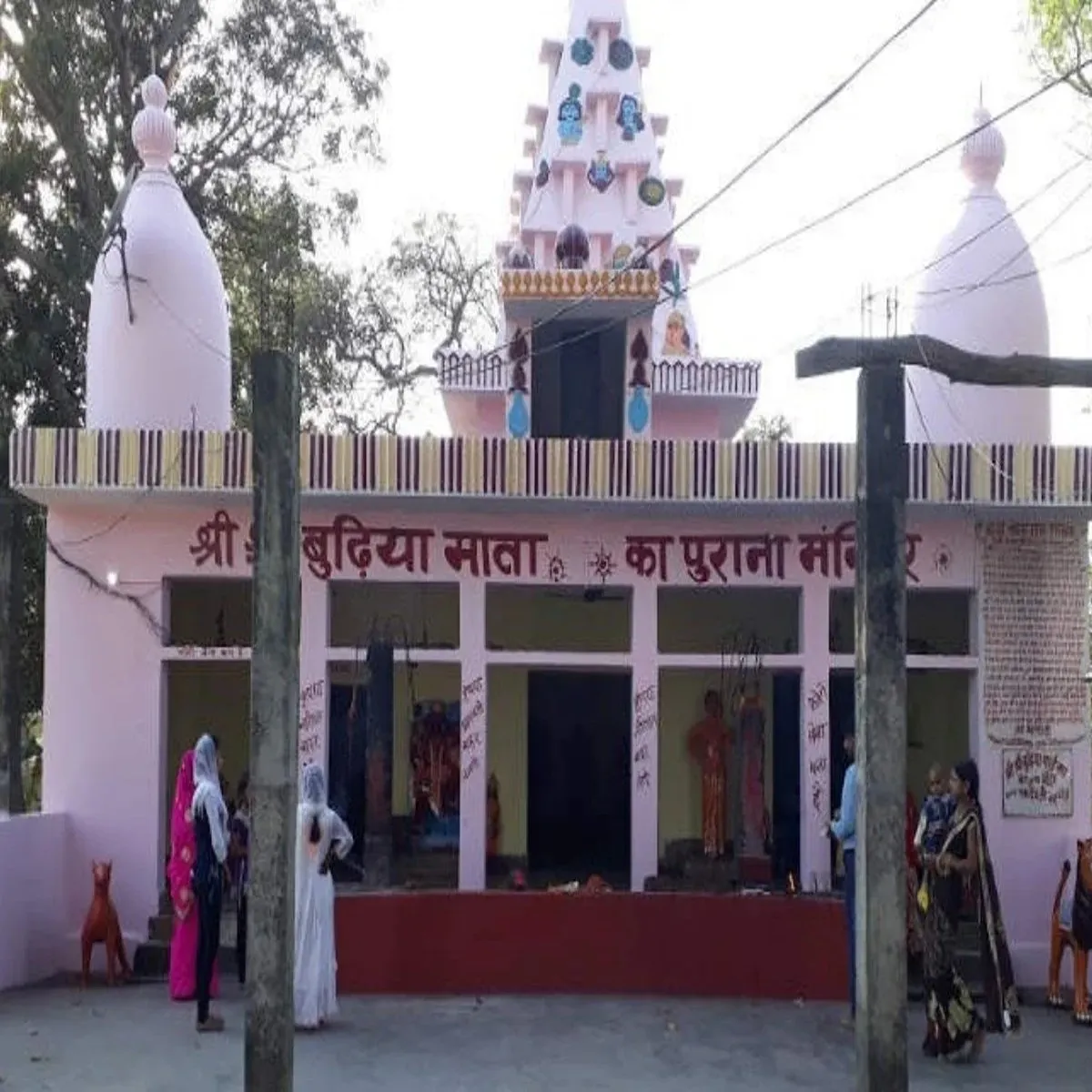
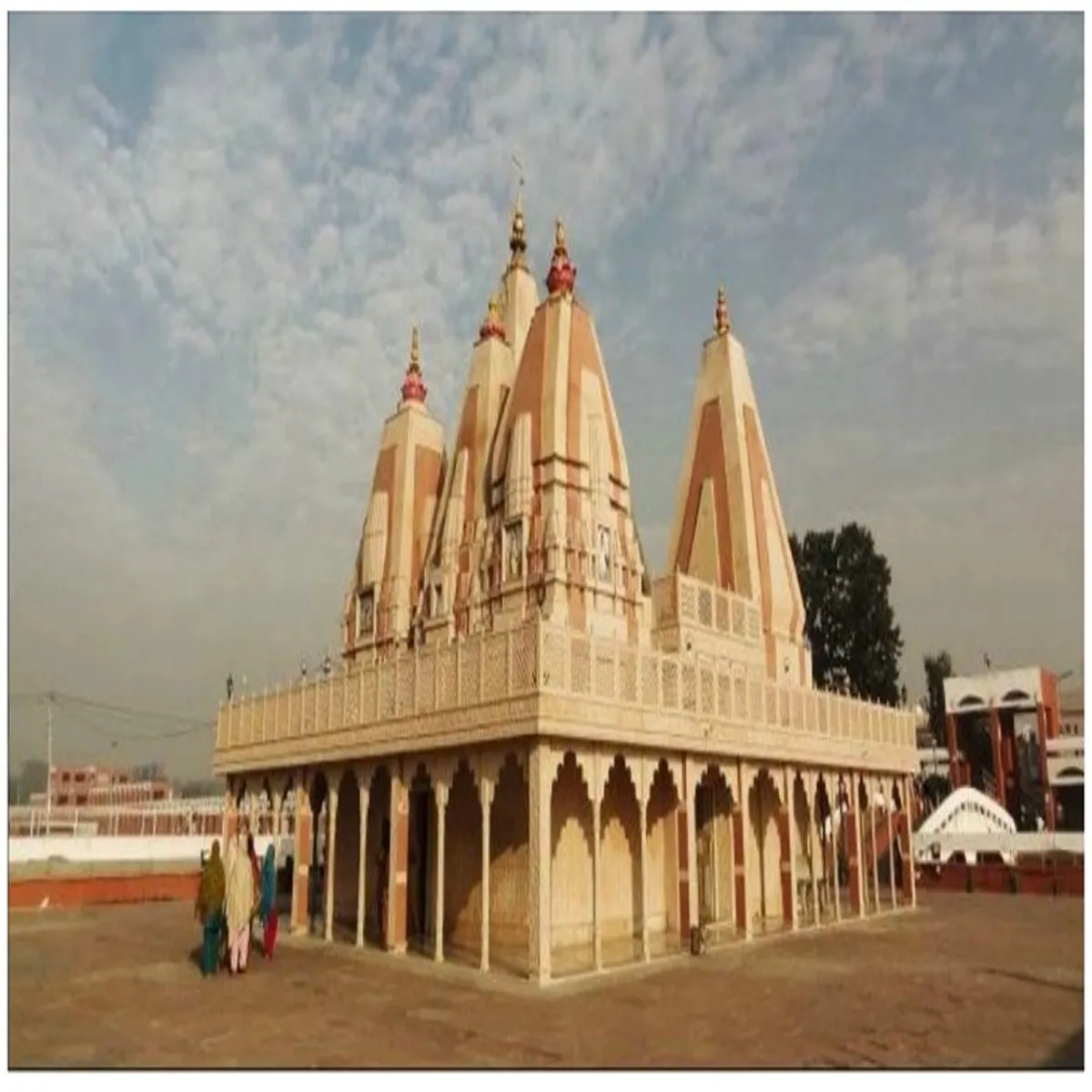
The shrine is regarded by many as one of the 52 Shakti Peethas, making it an important stop on the spiritual map of eastern India. Its historical and mythological associations add to its prominence among devotees from Bihar and neighboring states.
The Legend Behind the Temple
According to long-standing local tradition, the temple’s origin is tied to a devotee named Rahshu. It is believed that the goddess responded to his heartfelt call and journeyed from the sacred Kamakhya shrine in Assam. Folklore narrates that she traveled through Kolkata, where she is worshipped in the form of Kali at Dakshineswar, then to Patna as Patan Devi, and later to Aami in present-day Saran district before finally arriving at Thave.
When the goddess appeared before Rahshu, it is said she granted him divine vision. The episode forms the foundation of the temple’s spiritual narrative and continues to be recounted by priests and residents alike.
Conflict With the King
Local accounts also speak of a ruler named Manan Singh of Hathua, who considered himself the greatest devotee of Goddess Durga. During a period of famine in his kingdom, people struggled for food. Rahshu, known for his unwavering faith, reportedly survived by cutting grass during the day, which miraculously turned into grain by night through divine grace. Villagers are said to have received sustenance through this blessing.
Skeptical of these claims, the king allegedly accused Rahshu of deception and demanded that he summon the goddess. Rahshu warned that her arrival could bring destruction to the kingdom, but the king persisted. Tradition holds that when the goddess manifested, the royal palace collapsed and the king lost his life. Ruins near the temple are still associated with this episode.
Temple Complex and Ritual Practices
The main sanctum where the goddess is worshipped stands at the site believed to be her place of manifestation. A short distance away is a separate shrine dedicated to Rahshu Bhagat. Devotees visiting the temple customarily pay respects at both shrines, as it is widely believed that worship remains incomplete without honoring Rahshu’s devotion.
Residents say that families often visit the temple before beginning auspicious events and return again after their successful completion. Offerings typically include coconut, peda sweets, and red cloth known as chunari.
Muneshwar Tiwari, an elderly devotee from the area, says that faith matters more than elaborate offerings. According to him, devotion and sincerity are what the goddess values most. He adds that spiritual experiences at the shrine are deeply personal and difficult to express in words.
Architecture and Accessibility
The sanctum of the temple is considered ancient and retains its traditional structure. Surrounded on three sides by greenery, the site has preserved its natural setting over the years. On the seventh day of Navratri, special rituals dedicated to Goddess Durga draw particularly large gatherings.
The temple lies close to National Highway 85, approximately six kilometers from Gopalganj and about 28 kilometers from Siwan district headquarters. Regular local transport services connect the shrine with nearby towns, ensuring steady access for pilgrims.
Over time, the Thave temple has remained not only a center of faith but also a symbol of regional heritage, continuing to attract those seeking spiritual solace and cultural connection.