The Sacred Manifestation of Mata Vaishno Devi: Mythology, History, and Eternal Faith
The Sacred Manifestation of Mata Vaishno Devi: Mata Vaishno Devi is regarded as one of the most revered spiritual destinations in India. Millions of devotees believe that visiting her holy shrine is not merely a journey but a divine calling. It is widely said that not everyone gets the opportunity to visit Mata Vaishno Devi unless the Goddess herself invites the devotee. Pilgrims who complete the yatra often describe it as a deeply transformative experience filled with faith, devotion, and inner peace. Mata Vaishno Devi is lovingly worshipped as a compassionate Mother who fulfills sincere wishes and blesses devotees with strength, prosperity, and spiritual clarity.
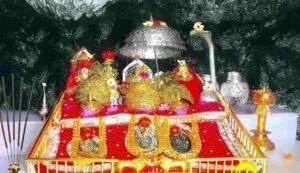
The Origin of Mata Vaishno Devi Temple
The origin of the Mata Vaishno Devi temple is associated with an ancient and fascinating legend. Although the exact date of the temple’s discovery remains unknown, a widely accepted belief connects it to a devoted Brahmin named Shridhar. He was a humble and pious man who devoted his life to the worship of Mata Vaishnavi.
According to legend, Mata Vaishnavi once appeared at Shridhar’s home and helped him organize a sacred feast for saints and devotees. During this event, Bhairavnath, a fearsome ascetic, arrived and later pursued the Goddess with ill intentions. To protect her divine form, Mata Vaishnavi disappeared from Shridhar’s house and took refuge in the Trikuta Mountains.

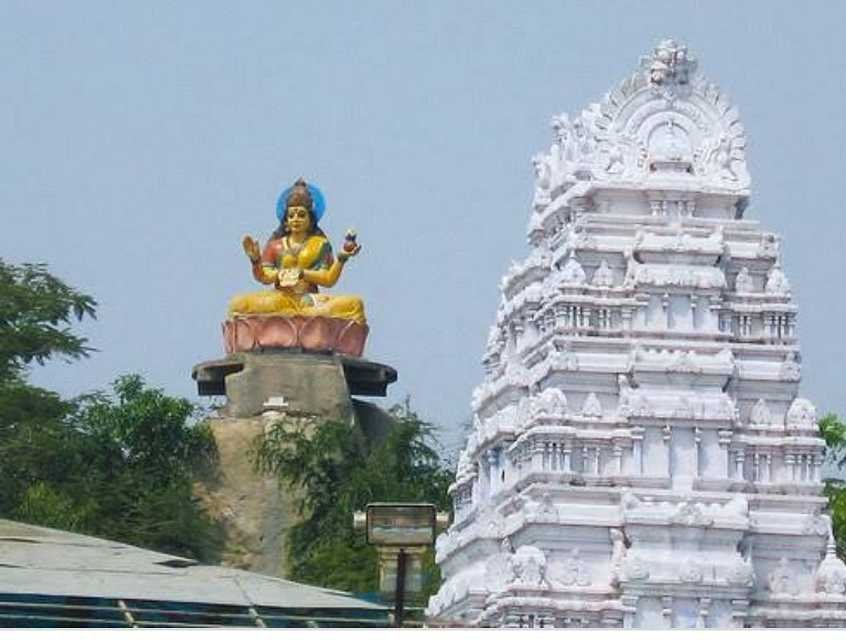
Heartbroken by her sudden departure, Shridhar renounced food and water, isolating himself completely and praying continuously for her return. His devotion was so intense that Mata Vaishnavi finally appeared to him in a dream. She instructed him to break his fast and search for her shrine hidden inside a holy cave in the Trikuta Hills.
The Discovery of the Sacred Cave
Guided by divine visions, Shridhar set out on a journey toward the mountains. Whenever he lost his way, the image from his dream reappeared before his eyes, leading him forward. Eventually, he reached the sacred cave, but its entrance was blocked by a massive rock formation with three distinct heads.
At that moment, Mata Vaishno Devi revealed herself before Shridhar and explained that the three heads symbolized her eternal forms, known as the sacred pindis. She blessed him with four sons and granted him the lifelong right to worship her. She also instructed him to spread the glory of the holy shrine among people. Shridhar dedicated his entire life to serving Mata Vaishno Devi and promoting her divine presence.
Historical Significance of the Shrine
The holy cave of Mata Vaishno Devi is believed to be millions of years old. References to the shrine are found in ancient Indian scriptures, including the Mahabharata. It is believed that during the epic war, Arjuna visited the sacred cave to seek blessings for victory against the Kauravas.
Historical traditions also suggest that the Pandavas were the first to construct a temple at Kol Kandoli in honor of Mata Vaishno Devi. Above the holy cave, there are five stone structures that are believed to represent the five Pandavas. These associations highlight the deep-rooted spiritual and cultural significance of the shrine in Indian history.
It is also said that Guru Gobind Singh Ji visited the cave via the Purmandal route, which is considered the oldest walking path to the shrine. Over centuries, kings, saints, and devotees have continued to preserve and honor the sacred pilgrimage.
Mythological Importance of Mata Vaishno Devi
Mata Vaishno Devi is worshipped as a combined divine form of Goddess Lakshmi, Goddess Saraswati, and Goddess Kali. According to Hindu mythology, she was born as a young maiden named Vaishnavi. She undertook severe meditation to attain Lord Vishnu as her eternal companion.
During her spiritual journey, Bhairavnath pursued her relentlessly. To escape him, she took shelter in the Trikuta Hills. After a prolonged chase, Mata Vaishno Devi finally confronted and defeated Bhairavnath. Realizing his mistake, Bhairavnath repented, and the Goddess forgave him. As a result, a temple dedicated to Bhairavnath was established near the main shrine, symbolizing forgiveness and divine grace.
Eternal Faith and Devotion
Today, Mata Vaishno Devi continues to inspire unwavering faith among devotees across the world. Pilgrims believe that visiting the shrine purifies the soul and strengthens spiritual resolve. The challenging journey through the mountains is seen as a test of devotion, patience, and belief. For countless devotees, Mata Vaishno Devi is not just a deity but a protective mother who listens to heartfelt prayers and blesses her children with divine compassion.