Gandhamadan Mountain: A Sacred Peak of Mythology, Nature, and Timeless Legends
Gandhamadan Mountain: Gandhamadan Mountain holds a unique and revered place in ancient Indian tradition, mythology, and classical literature. Deeply rooted in Hindu scriptures, this sacred mountain is portrayed not merely as a geographical entity but as a divine realm where nature, spirituality, and celestial beings coexist in harmony. Over centuries, Gandhamadan has remained a symbol of mystical power, medicinal richness, and mythological importance, captivating scholars, devotees, and travelers alike.
Mythological Importance in Hindu Scriptures
References to Gandhamadan Mountain are found repeatedly in Hindu religious texts, especially the Puranas and the Mahabharata. According to these scriptures, the mountain is the heavenly abode of Kubera, the god of wealth, and the Yakshas, his celestial attendants. The name Gandhamadan itself is derived from the fragrant and medicinal herbs that grow abundantly on its slopes, spreading divine aromas across the region.
Ancient texts describe Gandhamadan as a spiritual retreat inhabited by sages, ascetics, Siddhas, and semi-divine beings such as Gandharvas, Apsaras, Kinnaras, and Kimpurushas. The Mahabharata offers vivid descriptions of its breathtaking beauty, portraying it as a land of eternal spring, sacred forests, and divine serenity. Some scriptures suggest that Gandhamadan lies close to Mount Kailash, while others associate it with regions of the present-day Garhwal Himalayas.


Rivers and Natural Abundance
Several religious texts mention that the sacred rivers Mandakini and Alaknanda flow along the slopes of Gandhamadan Mountain. These rivers enhance its spiritual significance, as flowing water is often associated with purity, life, and divine blessings in Hindu philosophy. The mountain is also renowned for its vast diversity of medicinal plants, herbs, and rare flora, which were believed to possess healing and life-restoring properties.
Gandhamadan in Classical Literature
Beyond religious scriptures, Gandhamadan Mountain appears prominently in classical Sanskrit literature. The renowned poet Kalidasa mentions it in his play Vikramorvashiyam, where the celestial nymph Urvashi visits Gandhamadan and transforms into a flowering vine. Similarly, Banabhatta’s literary masterpiece Kadambari refers to Gandhamadan as one of the majestic peaks of the Himalayan range, reinforcing its cultural and poetic significance.
The Legendary Story from the Ramayana
One of the most well-known legends associated with Gandhamadan Mountain comes from the epic Ramayana. During the great battle between Lord Rama’s army and Ravana in Lanka, Lakshmana was gravely injured by a poisoned arrow. The only remedy capable of saving his life was the Sanjeevani herb, which grew exclusively on the slopes of Gandhamadan Mountain in the northern Himalayas.
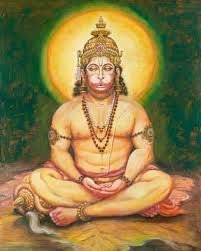
Following the advice of Jambavan, Hanuman undertook an extraordinary journey across the Indian subcontinent to reach Gandhamadan. Unable to identify the Sanjeevani herb among countless medicinal plants, Hanuman used his divine powers, enlarged his form, and uprooted the entire mountain, carrying it on his shoulders back to Lanka. The herb was administered to Lakshmana, restoring his life and turning the tide of the war in favor of Rama.
Geographical Beliefs and Regional Connections
According to popular belief, while Hanuman was flying back with the mountain, a fragment of Gandhamadan fell in present-day Odisha. This area is now known as the Gandhamadan Hills, located between the Balangir and Bargarh districts. The region is home to significant temples such as the Nrusinghanath Temple to the north and the Harishankar Temple on the southern slopes. Even today, the area is famous for its rich herbal diversity and spiritual ambiance.
Gandhamadan as a Spiritual and Tourist Destination
Gandhamadan Mountain is also associated with Rameswaram, where a peak bearing the same name marks the island’s highest point. The name signifies the place where Lord Rama is believed to have paused and gazed across the ocean toward Lanka before his final journey. Despite the presence of temples, the surroundings remain peaceful and scenic, offering caves and natural landscapes that attract adventure seekers and spiritual travelers alike.
Enduring Legacy
Gandhamadan Mountain continues to inspire devotion, curiosity, and reverence. Its legacy blends mythology, ecology, literature, and spirituality into a single timeless narrative. Whether viewed as a divine abode, a medicinal treasure, or a cultural symbol, Gandhamadan remains an enduring pillar of India’s sacred heritage.