Kal Bhairav : Emerged in Ancient Shaivite Tradition of Kashi
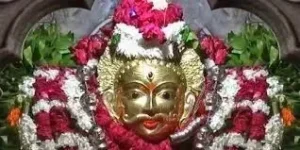
Kal Bhairav: The Shiva Mahapurana contains a symbolic narrative that explains the origin of Kal Bhairav, a powerful manifestation of Lord Shiva closely associated with the city of Kashi. The account unfolds through a dialogue involving Brahma and Vishnu and highlights themes of ego, cosmic order, and divine balance that are central to Shaivite philosophy.
A Question That Sparked a Cosmic Debate
According to the scripture, the episode begins when Lord Vishnu poses a fundamental question to Brahma: who among the divine forces is the greatest creator of the universe? Brahma, confident in his role as the cosmic architect, declares himself to be the supreme being. Vishnu perceives this response as rooted in pride rather than wisdom, prompting concern over Brahma’s growing arrogance.
To seek an impartial answer, Vishnu and Brahma decide to consult the four Vedas, revered as the highest sources of spiritual knowledge. Their intention is to let sacred wisdom determine the truth, free from personal bias or ego.
Wisdom of the Vedas Points to Shiva
The two deities first approach the Rigveda. After hearing their question, the Rigveda responds unequivocally that Shiva is the supreme reality, describing him as all-powerful and present within every living being. Unsatisfied, they proceed to the Yajurveda, which offers a similar conclusion. It states that the ultimate recipient of all sacrificial worship is Shiva, and no other form can claim that position.
Despite these consistent answers, Brahma refuses to accept the verdict. Instead of reflecting on the wisdom offered, he laughs dismissively, signaling that his sense of superiority remains unshaken.
The Appearance of Shiva in Radiant Form
At that moment, an intense divine light fills the space, and Lord Shiva manifests before them. The presence of Shiva exposes the imbalance caused by unchecked pride. Brahma’s fifth head, symbolic of his inflated ego, becomes consumed by anger and defiance upon seeing Shiva.
Recognizing the need to restore cosmic order, Shiva decides to act. Rather than responding with destruction alone, he chooses to create a force that represents time, discipline, and the inevitable consequences of actions.
Creation of Kal Bhairav
Shiva brings forth a fierce manifestation named Kal, meaning time or death. This form, later known as Bhairav, embodies Shiva’s authority over mortality and justice. Kal Bhairav swiftly severs Brahma’s fifth head, bringing an end to his arrogance and reaffirming divine balance.
However, the act carries grave consequences. The severing of Brahma’s head is considered a serious transgression, even though it was done to uphold cosmic law. Acknowledging this, Shiva instructs Bhairav to undertake a journey across sacred pilgrimage sites to seek liberation from the burden of Brahma-hatya, the sin associated with the act.
The Significance of Kashi and Kapal Mochan Tirtha
During Bhairav’s travels, the severed head remains attached to his hand as a reminder of the deed. When Bhairav reaches Kashi, the head finally falls from his grasp at a specific location. This site becomes known as Kapal Mochan Tirtha, symbolizing release from sin and spiritual purification.
From that moment onward, Kal Bhairav is believed to have taken permanent residence in Kashi. Within Shaivite belief, he is regarded as the guardian deity of the city, overseeing spiritual discipline and protecting its sacred boundaries.
Enduring Belief and Pilgrimage Tradition
Devotees believe that any pilgrimage to Kashi remains incomplete without paying respects at Kapal Mochan Tirtha and seeking blessings from Kal Bhairav. The narrative continues to influence religious practices, reinforcing ideas of humility, accountability, and reverence for divine order.
This ancient account from the Shiva Mahapurana remains a cornerstone of Kashi’s spiritual identity, linking mythology, geography, and belief into a single enduring tradition.