Lohri Festival: Tradition, Meaning, and Cultural Significance in Northern India
Lohri Festival: ohri is one of the most vibrant and culturally rich festivals of North India, especially celebrated in the states of Punjab, Haryana, Delhi, and nearby regions. It marks the end of the harsh winter season and symbolizes the completion of the Paush month according to the traditional calendar. Celebrated just a day before Makar Sankranti, Lohri represents the transition of the sun toward the northern hemisphere, a phase that is widely associated with positivity, warmth, and renewal in Indian tradition.
Cultural Background and Seasonal Importance
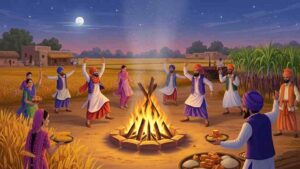
Lohri is deeply connected with nature, agriculture, and seasonal change. For farming communities, this festival holds special importance as it signifies the harvest of winter crops, particularly sugarcane and wheat. The festival is a way of expressing gratitude for a successful harvest and praying for prosperity in the coming agricultural cycle. Over time, Lohri has also become a social celebration where families, friends, and communities come together to share joy, music, and food.
Traditional Rituals and Bonfire Celebration
The central element of Lohri celebrations is the bonfire, which is lit after sunset. People gather around the fire, walk in circles, and offer traditional items such as sesame seeds, jaggery, peanuts, popcorn, and puffed rice into the flames. This ritual represents letting go of negativity and welcoming new energy into life. Folk songs and traditional dances like Bhangra and Gidda add to the festive atmosphere, making Lohri a lively and joyful occasion for all age groups.
Spiritual Significance of Fire Worship
Fire plays a symbolic role during Lohri and is considered a source of purity, warmth, and life energy. The bonfire is not associated with idol worship but is instead a representation of natural elements. People believe that offering food grains into the fire brings peace, protection, and abundance to their homes. The act of sitting together around the fire also strengthens social bonds and reinforces a sense of unity within the community.
Connection with Solar Transition
Lohri is closely linked with the solar movement, as it is celebrated just before the sun begins its northward journey. This transition is associated with longer days and the gradual reduction of cold weather. People express gratitude for sunlight, which is essential for crops, health, and daily life. The festival symbolizes hope, growth, and the return of warmth after months of winter chill.
Role of Rain and Agriculture
As an agricultural festival, Lohri also reflects the dependence of farmers on natural forces. Adequate rainfall and favorable weather conditions are crucial for crop growth. During Lohri, people remember these natural forces and express thankfulness for the resources that support farming life. This connection makes Lohri especially meaningful for rural communities, where agriculture remains the primary livelihood.
Folk Hero and Historical Influence
Apart from nature and seasonal change, Lohri also honors a legendary folk hero, Dulla Bhatti. He is remembered for his bravery, generosity, and role as a protector of the poor during the Mughal era. Traditional folk songs sung during Lohri often mention his name, celebrating his courage and kindness. Through these songs, stories of local history and moral values are passed down from one generation to another.
Social and Family Celebrations
Lohri is not limited to religious or agricultural meaning; it is also a strong social festival. Families organize gatherings, exchange greetings, and share traditional food made from seasonal ingredients. Newly married couples and newborn children often receive special attention during Lohri celebrations, as the festival is considered highly auspicious for new beginnings.
Symbol of Prosperity and Togetherness
The deeper purpose of Lohri lies in celebrating prosperity, gratitude, and togetherness. The festival encourages people to appreciate the gifts of nature, respect cultural traditions, and strengthen relationships within the community. By combining seasonal awareness, folk traditions, and collective joy, Lohri continues to hold relevance in both rural and urban life.
Even in modern times, Lohri remains a reminder of cultural roots and shared heritage. Its simple rituals and joyful celebrations make it a festival that connects people across generations, regions, and lifestyles.