Prahlada – Devotion That Defied a Tyrant King in Ancient Legend
Prahlada – Stories from Indian tradition have long served as a bridge between generations, passing down values, belief systems, and lessons about courage. Among these narratives, the account of Prahlada stands out as a powerful reflection of unwavering faith in the face of oppression. Rooted in ancient scriptures, the tale highlights the strength of devotion and the enduring message that righteousness ultimately prevails.

The Value of Cultural Narratives for Children
Introducing children to stories from Indian culture helps them understand their heritage while shaping their moral outlook. Mythological accounts are more than imaginative tales; they offer insight into the principles that guided earlier civilizations. Through such narratives, young readers learn about integrity, compassion, and resilience. The story of Prahlada is one such example that continues to be shared for its timeless relevance.
The Rise of a Powerful but Arrogant King
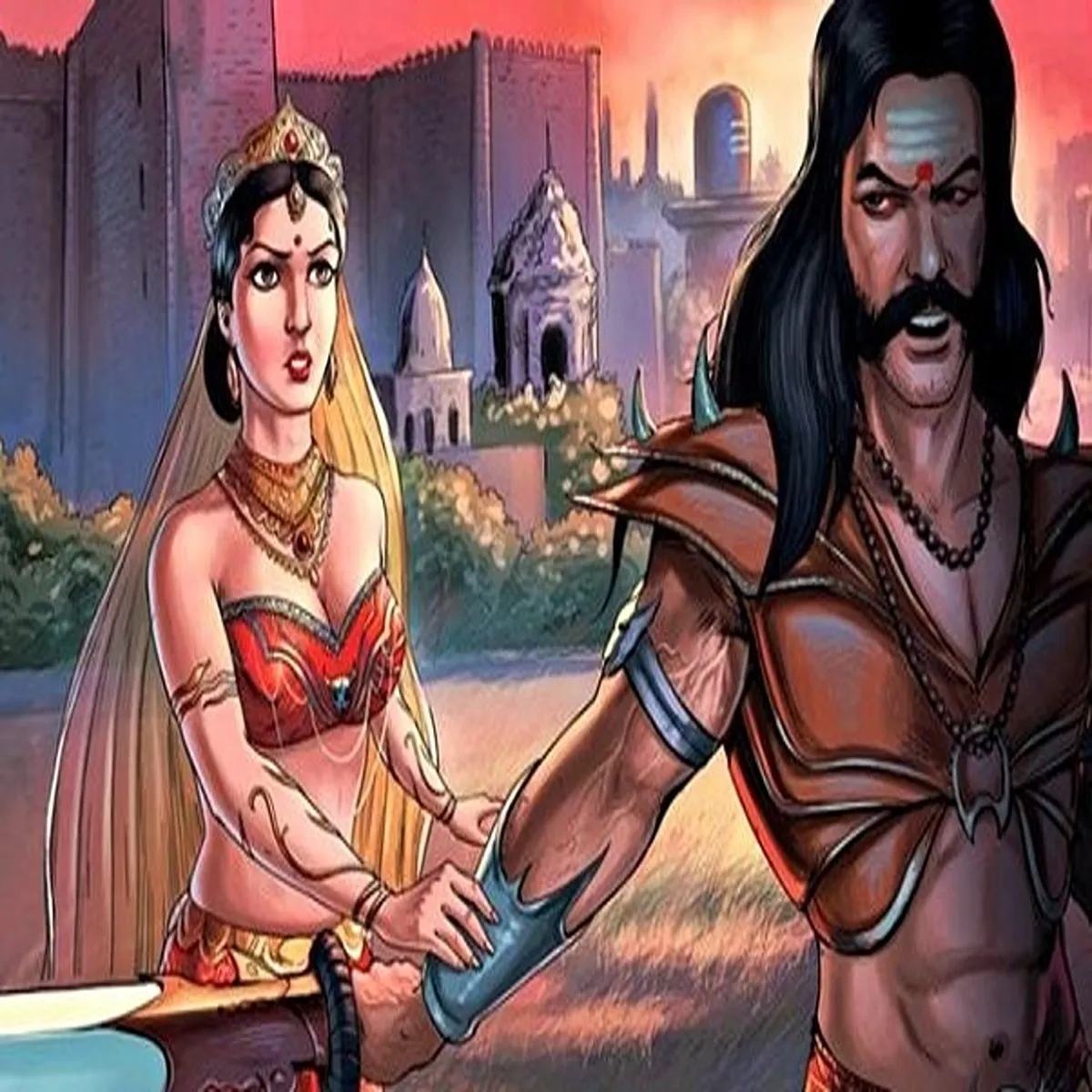
According to legend, there once ruled a mighty asura king named Hiranyakashipu. Through intense penance, he secured a unique boon that made him nearly invincible. He could not be killed during the day or night, neither indoors nor outdoors, neither by man nor beast, and not by any weapon made of metal or wood. Empowered by this protection, he began to see himself as supreme and demanded worship from all.
His ambition extended beyond earthly power; he wished to be revered above all gods. This growing arrogance distanced him from wisdom and compassion, turning his rule increasingly harsh.
Prahlada’s Unshakable Faith
In stark contrast to his father stood young Prahlada, whose heart was devoted to Lord Vishnu. Despite being raised in the royal household of the asuras, he remained steadfast in his prayers and openly expressed his devotion. His belief was not influenced by fear or pressure. Even as a child, he demonstrated remarkable spiritual clarity.
Hiranyakashipu was enraged by his son’s refusal to worship him. Determined to change Prahlada’s beliefs, he subjected the boy to repeated punishments. Yet, no threat or hardship could weaken Prahlada’s faith.
Trials That Tested Devotion
The king attempted several measures to end his son’s life. Prahlada was thrown from a high cliff, placed in boiling oil, and exposed to blazing flames. Each time, he emerged unharmed. These events deepened the king’s fury while strengthening the belief among onlookers that divine protection was at work.
In a final attempt, Hiranyakashipu sought help from his sister Holika, who possessed a blessing that made her immune to fire. She sat with Prahlada in a burning pyre, confident of her safety. However, as the flames rose, Holika was consumed by the fire while Prahlada remained untouched. The episode later became associated with the festival of Holi, symbolizing the victory of good over evil.
The Dramatic Appearance of Narasimha
Still unwilling to accept defeat, Hiranyakashipu confronted his son directly. He mockingly asked where Vishnu resided. Prahlada calmly replied that the divine presence exists everywhere. Pointing to a nearby pillar, the king questioned whether Vishnu was inside it. When Prahlada affirmed this belief, Hiranyakashipu struck the pillar in anger.
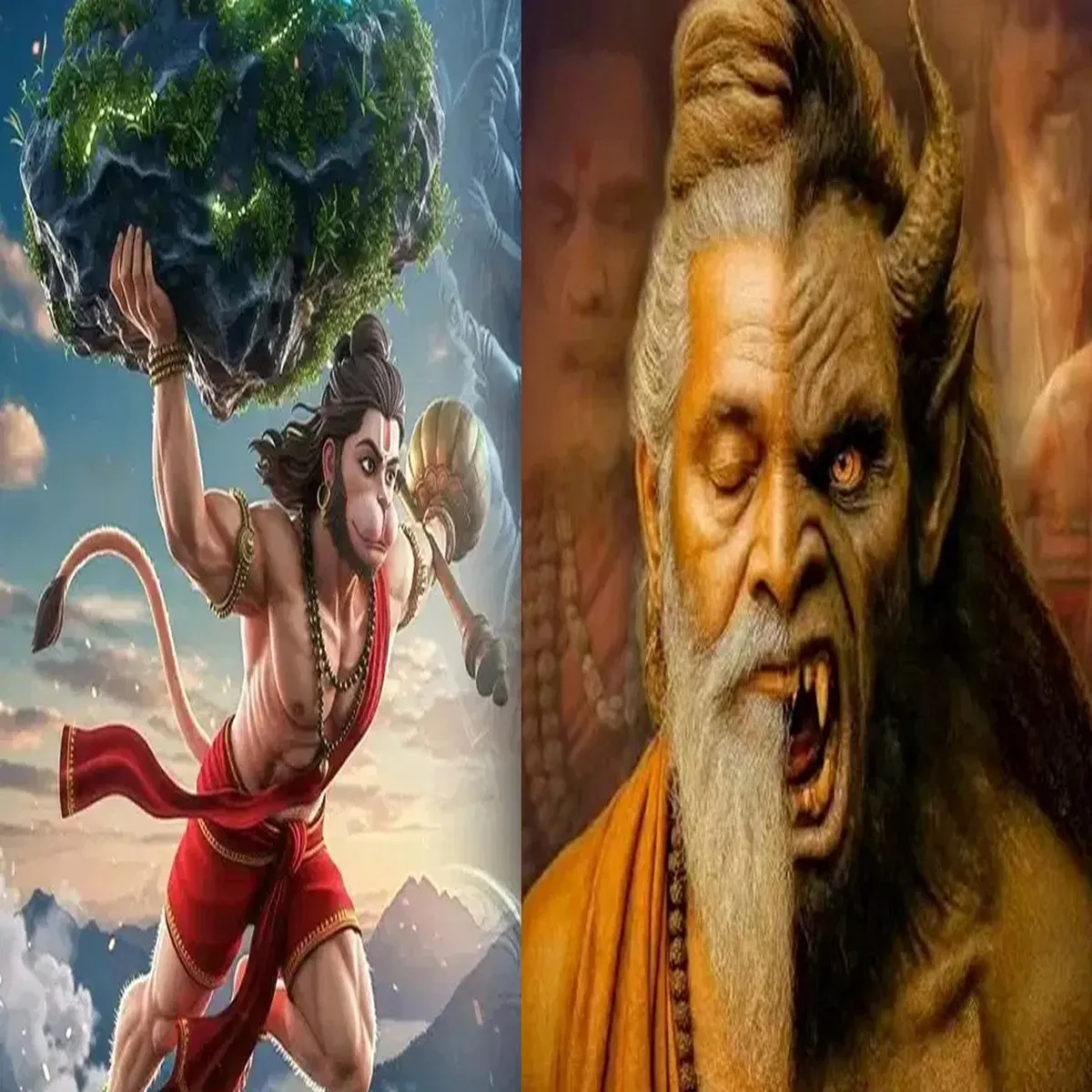
From within emerged Narasimha, a fierce form of Vishnu, half-man and half-lion. The moment of appearance was neither day nor night but twilight. Narasimha dragged the king to the threshold of the palace, a space that was neither indoors nor outdoors. Placing him on his lap, he ended Hiranyakashipu’s life using his claws, bypassing every condition of the boon. The tyrant’s seeming invincibility was undone without violating the terms of his protection.
A Timeless Moral Lesson
The story of Prahlada continues to resonate because of its clear moral foundation. It underscores the idea that faith, when rooted in sincerity, can withstand even the harshest trials. It also serves as a reminder that power without humility can lead to downfall. For generations, this legend from Hindu mythology has inspired readers to remain truthful and courageous, regardless of adversity.