SantoshiMata – Traditions and Legends Behind the Revered Friday Fast
SantoshiMata – Friday fasting rituals in Hindu tradition linked to devotion and fulfillment of wishes –
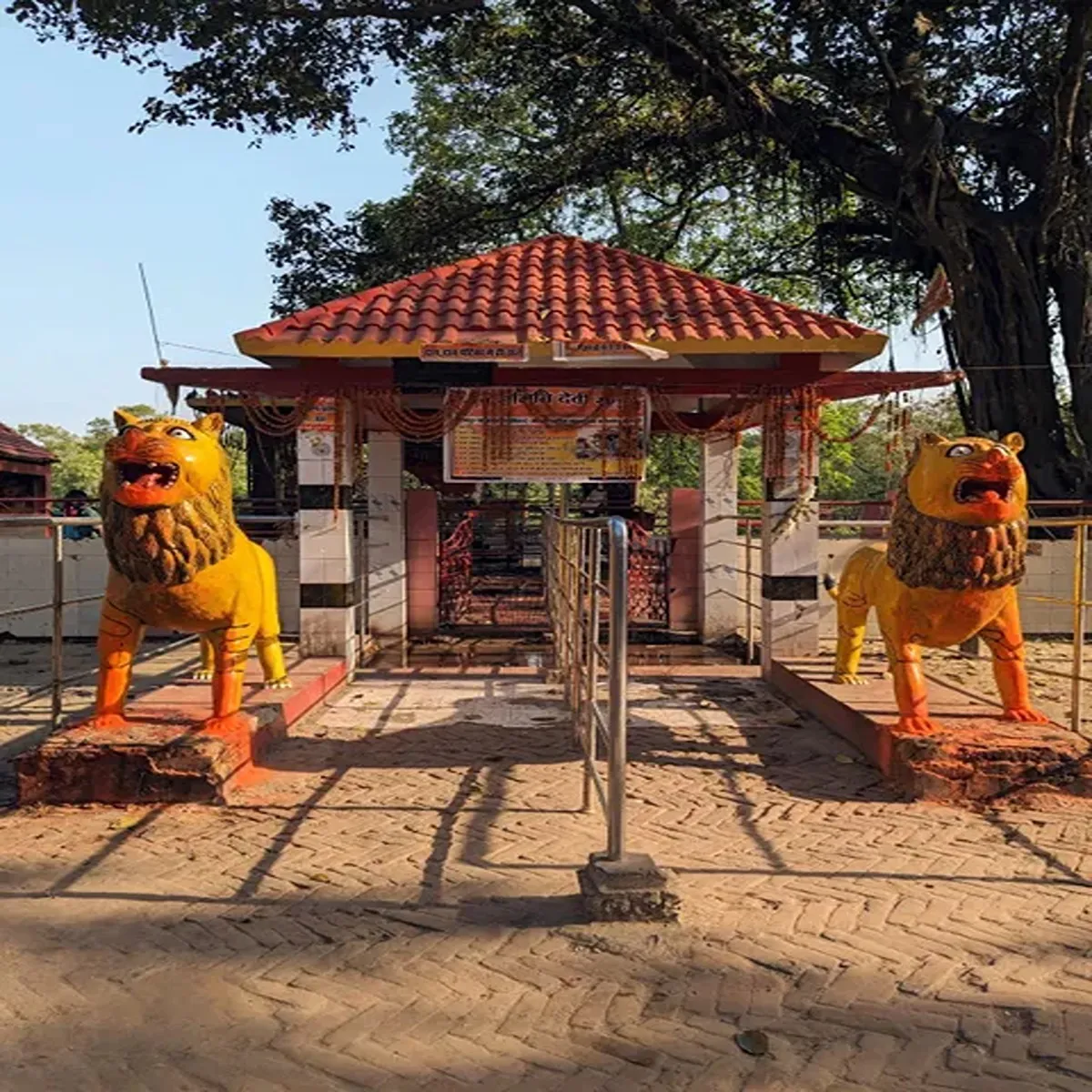
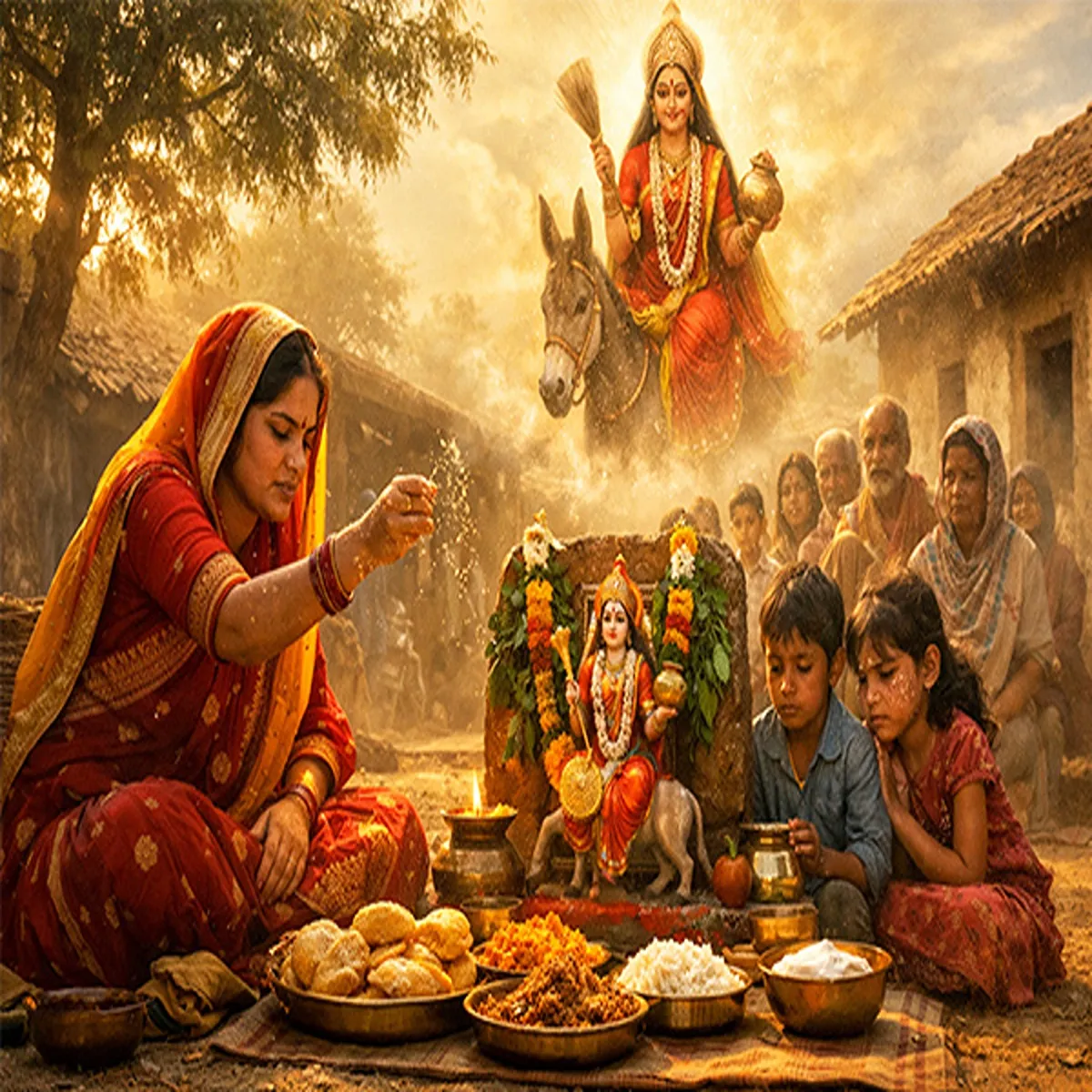
Fridays hold a distinct spiritual importance in Hindu religious practice, particularly for devotees who observe fasts dedicated to divine feminine energies. On this day, worship is traditionally offered to Goddess Lakshmi, Goddess Kalika, and Goddess Santoshi. Among these observances, the fast devoted to Goddess Santoshi has remained especially popular across generations. Followers believe that sincere devotion, combined with strict dietary discipline and the listening of sacred narratives, brings peace, prosperity, and resolution to long-standing personal challenges.

Spiritual Significance of Friday Worship
In many households, Fridays are marked by simplicity, restraint, and prayer. Devotees observing the Santoshi fast refrain from consuming sour foods throughout the day, considering it an essential rule of the vow. The ritual is not merely about abstinence but also about cultivating patience, gratitude, and inner balance. Worshippers gather in homes or temples to recite prayers and listen to the traditional story associated with the goddess, believing that this act strengthens faith and spiritual resolve.
Beliefs Associated With Santoshi Fast
According to long-held beliefs, observing this fast with sincerity is said to fulfill heartfelt wishes. Many followers, particularly unmarried individuals, hold the conviction that consistent observance removes obstacles related to marriage. Others believe it helps resolve financial concerns and brings harmony to family life. While these beliefs are rooted in tradition rather than documented history, they continue to influence religious practices across regions.
Mythological Roots of the Goddess
The origins of Goddess Santoshi are primarily drawn from mythological narratives passed down through oral tradition and religious texts. She is widely regarded as a divine daughter figure associated with Lord Ganesha. Ganesha is traditionally described as having two consorts, Riddhi and Siddhi, who symbolize prosperity and accomplishment. From these divine unions, two sons were born, commonly known in popular belief as Shubh and Labh, representing auspiciousness and gain.
Scriptural references further describe extended divine relationships, including daughters-in-law and grandsons, reflecting symbolic virtues rather than historical lineage. Within this spiritual framework, Santoshi is revered as a manifestation of contentment and fulfillment.
Story of Santoshi Mata’s Birth
One widely known legend explains the birth of Goddess Santoshi through a symbolic event during a sacred family ritual. According to the narrative, Ganesha once participated in a ceremonial act where a protective thread was tied on his wrist by a close female relative. Observing the exchange of gifts and blessings that followed, his sons grew curious about the meaning behind the ritual.
Ganesha explained that the thread was not merely decorative but represented protection, blessings, and the bond of affection between siblings. Inspired by this explanation, his sons expressed a heartfelt desire to have a sister with whom they could share such a sacred bond.
Creation Through Divine Energy
Moved by this request, Ganesha is said to have invoked his divine powers. From a radiant spiritual light formed by his energy, combined with the inner spiritual essence of his consorts, a divine feminine form emerged. This radiant presence took the shape of a young girl, who came to be known as Santoshi. The name itself symbolizes satisfaction, harmony, and emotional fulfillment.
Over time, this divine figure became widely worshipped as Goddess Santoshi. Variations of this story appear across different mythological sources, each offering unique symbolic interpretations, though the central theme remains consistent.
Enduring Cultural Influence
The worship of Goddess Santoshi gained wider recognition in modern times through community practices and storytelling traditions. Today, her Friday fast continues to be observed by devotees seeking emotional balance and spiritual reassurance. While interpretations may differ, the essence of the tradition reflects enduring values of faith, discipline, and hope.