Ancient Kaitha Shiva Temple: Why Does This Ancient Temple’s Water Hold a Miracle for the Deaf
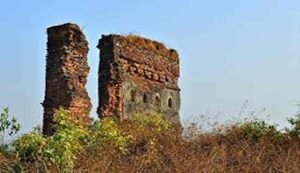
Ancient Kaitha Shiva Temple: Nestled in the heart of Jharkhand’s Ramgarh district, a structural marvel from 1670 AD continues to defy modern logic and medical science. The Kaitha Shiv Temple is not merely a place of worship but a legendary landmark where history and faith converge in a startling manner. Located just 3 kilometers from Ramgarh town on National Highway 23, this 300-year-old sanctuary is whispered to be a portal to an ancient era. The (Spiritual Heritage Site) attracts thousands of seekers who believe that the stones of this temple breathe with the energy of the kings who once ruled this land.
The Sacred Water That Cures the Ailments of the Ear
The most profound mystery of Kaitha lies in the water offered to the twin deities residing within its sanctum. Devotees and locals firmly maintain that water poured over the Shivalinga gains extraordinary medicinal properties capable of curing chronic ear diseases. It is a common sight to see people collecting this (Sacred Healing Water) in small vials to treat persistent infections or hearing issues. Faith suggests that even the most stubborn cases of discharge or pain find relief once a few drops of this consecrated liquid are applied, a phenomenon that remains unexplained by contemporary medicine.
The Divine Origin and the Power of Kaitheshwari Maa
The history of the temple is inextricably linked to King Daler Singh of Hazaribagh, who chose Ramgarh as his capital and commissioned this grand structure. Beneath the main altar lies a hidden chamber or cave believed to house the potent energy of Goddess Kaitheshwari. This (Ancient Goddess Energy) is the primary reason the temple is famously known as Kaitha, honoring the feminine power that supposedly guards the foundation. The fusion of Shaivite and Shakta traditions here creates a unique spiritual atmosphere that is rarely found in other regional shrines.
A Masterpiece Crafted from Lentils and Limestone
Architecturally, the temple is an anomaly that blends Mughal, Bengali, and Rajput styles into a cohesive, fortress-like structure. Constructed using Lakhori bricks, the binding agent is not cement but a traditional (Ancient Architectural Mix) consisting of surkhi, lime, and pulses. This organic mortar has kept the two-story building standing for over three centuries without significant decay. The presence of cylindrical domes flanking the staircases suggests that the temple also served as a strategic watchtower for royal guards in the 17th century.
The Rare Confluence of Two Shivalingas
Unlike most Shiva temples where a single idol reigns supreme, Kaitha is renowned for the simultaneous worship of two Shivalingas. Legend states that one was placed during the initial (Temple Consecration Ceremony) while the second was established later to balance the cosmic energies of the site. At the very center of the upper dome, an ancient idol of Lord Hanuman stands guard, believed to be as old as the foundation itself. This rare combination of deities makes the temple a focal point during the holy month of Shravan and the festival of Mahashivratri.
Built in a Single Night and the Secret Underworld
Local folklore adds a supernatural layer to the temple’s origin, claiming that the entire structure was miraculously completed in a single night. Beneath the floor lies a mysterious (Secret Tunnel Mystery) that once connected the temple to a nearby pond. It is said that the King and Queen would take a ritual bath in the pond and use this underground passage to reach the sanctum unseen. Today, the entrance to this cave remains sealed, shrouded in shadows and guarded by the weight of centuries of silence.
The Guardian Snake and the Forbidden Cave
The mystery of the sealed cave is further heightened by the legend of a Great Black Cobra that is said to reside within the depths. Locals claim to have witnessed this (Mythical Serpent Guardian) emerging to consume milk and sugar drops offered in earthen bowls by the priests. Out of respect and fear, no one dares to venture into the basement, believing it to be the protector of the temple’s hidden treasures. The tunnel, which once allowed royal access, now serves as a silent witness to a bygone era of secret passages and divine guardians.
A Journey Toward National Heritage Recognition
As the fame of its miracles and its unique architecture spreads, the Indian government has initiated the process to declare Kaitha Shiv Temple a site of national importance. Beyond the (Religious Tourism Jharkhand) aspect, the temple represents a pivotal era of Indian craftsmanship and royal devotion. While the scientific community may look at the “healing water” with skepticism, for the hundreds who visit daily, the temple remains a living testament to the fact that some truths are felt through the heart, long before they are understood by the mind.