Bhojeshwar Temple of Raisen: A Monumental Legacy of Ancient Indian Architecture
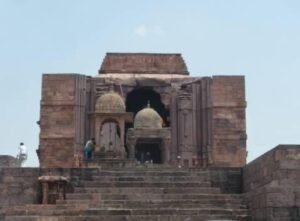
Bhojeshwar Temple of Raisen: Located near the serene town of Bhojpur in Raisen district, the Bhojeshwar Temple stands as one of the most remarkable yet lesser-known heritage sites of central India. Just about 32 kilometers from Bhopal, the capital of Madhya Pradesh, this ancient temple is famous for housing one of the largest Shiva lingams in the world. The site reflects a unique blend of spiritual significance, architectural ambition, and historical mystery that continues to attract historians, devotees, and travelers alike.
Location and Geographical Setting
The Bhojeshwar Temple is situated on a hilltop in Bhojpur village, surrounded by natural beauty and a calm rural landscape. Its elevated position gives the site a commanding presence and offers visitors a peaceful environment that feels deeply connected to nature. The temple’s location away from crowded urban centers enhances its spiritual atmosphere and makes it an ideal destination for heritage tourism and cultural exploration.
Historical Background
The construction of the Bhojeshwar Temple is attributed to King Bhoja of the Paramara dynasty, who ruled during the 11th century between 1010 CE and 1055 CE. King Bhoja is remembered not only as a powerful ruler but also as a great scholar, poet, and patron of art and architecture. The temple reflects his grand vision and deep devotion to Lord Shiva. Although the structure remains incomplete, it still stands as a powerful symbol of medieval Indian craftsmanship and ambition.
Architectural Grandeur
The most striking feature of the Bhojeshwar Temple is its massive stone platform. The temple stands on a plinth measuring approximately 115 feet in length, 82 feet in width, and 13 feet in height. This elevated base alone demonstrates the scale at which the structure was envisioned. Despite its unfinished state, the temple’s proportions and stonework reveal exceptional engineering skills that were far ahead of their time.
The Colossal Shiva Lingam
At the heart of the temple lies its most extraordinary element: the enormous Shiva lingam. Considered the largest ancient Shiva lingam in the world, it rises to a total height of over 40 feet including its base. The cylindrical lingam itself is around 7.5 feet tall with a diameter of about 5.8 feet. It is installed on a square base known as the jalhari, which measures approximately 21.5 feet in width. Carved from a single stone, the lingam represents both spiritual symbolism and remarkable stone craftsmanship.
Temple Layout and Entrance
The main entrance to the Bhojeshwar Temple faces west and is accessible through a flight of stone steps. This orientation is significant in traditional temple architecture. The sanctum doorway is adorned with sculptures of the river goddesses Ganga and Yamuna on either side, symbolizing purity and divine presence. Although the temple lacks a complete roof, the sanctum remains the focal point of worship and reverence.
Cultural and Spiritual Significance
The Bhojeshwar Temple holds immense importance for followers of Shaivism. Even in its unfinished form, it continues to be an active place of worship, especially during major Hindu festivals such as Mahashivratri. The site represents devotion, endurance, and the timeless connection between faith and architecture in Indian culture.
An Enduring Mystery
One of the most intriguing aspects of the Bhojeshwar Temple is why its construction was never completed. Historians suggest various theories, including natural disasters, political changes, or shifting royal priorities. Scattered stone blocks and architectural remains near the site indicate that work was abruptly halted, leaving behind a fascinating archaeological puzzle.
Conclusion
The Bhojeshwar Temple of Raisen is more than just an ancient monument; it is a powerful reminder of India’s rich historical and architectural heritage. Its massive scale, spiritual depth, and unfinished beauty make it a unique destination for anyone interested in history, culture, or sacred architecture. Visiting this temple is like stepping into a chapter of history where ambition met devotion, leaving behind a legacy carved in stone.