Kaal Bhairav Mandir: A Spiritual Journey Through Mythology and Devotion
Kaal Bhairav Mandir: Kaal Bhairav holds a deeply revered place in Hindu philosophy, symbolizing the destruction of fear and the protection of devotees from inner enemies such as greed, anger and desire. Regarded as a transcendental form of Shiva, Kaal Bhairav is believed to exist beyond the limitations of time and death. Ancient scriptures describe his emergence during the fierce battles between gods and demons, where Shiva manifested Bhairav to eliminate the growing tyranny. From this divine manifestation emerged the Ashta Bhairav, who later united with the Ashta Matrikas, giving rise to sixty-four Bhairavs and sixty-four Yoginis. Another legend narrates that Bhairav was born from Shiva’s rage during a dispute among Brahma, Vishnu and Mahesh over supremacy, where Brahma’s disrespect towards Shiva invoked this fiery form.
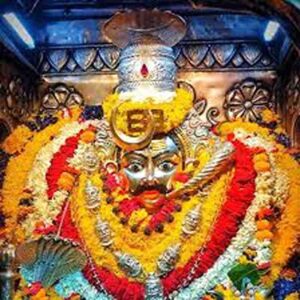
Mythological Origin of the Kaal Bhairav Temple
A well-known narrative connects Bhairav’s origin with the dialogues described in Shiva Mahapurana. When Brahma claimed himself to be the supreme creator worthy of universal worship, Shiva’s displeasure intensified. To correct this arrogance, Shiva manifested Bhairav, who then severed one of Brahma’s five heads. Since that moment Brahma is depicted with four heads. The severed head remained in Bhairav’s hand, leading to the symbolic burden of a Brahma-hatya sin. Bhairav wandered as a mendicant for twelve years until he was liberated from the curse. As the fierce guardian of sacred shrines, Bhairav is positioned at every Shaktipeeth, representing divine protection and the removal of human suffering.
Symbolic Nature and Spiritual Significance
Bhairav’s form is traditionally described as tamasic, indicating his ability to guide seekers from darkness to liberation. Devotees believe he possesses the power to eliminate deep mental and physical distress. As mythological texts state, Bhairav resides in cremation grounds to avoid attachment to worldly illusions. His worship is believed to produce quick results, requiring only simple offerings. People from all walks of life visit the temple seeking peace, relief from suffering and spiritual freedom. It is advised that any form of worship or meditation related to Bhairav should be performed with the guidance of a spiritual mentor.
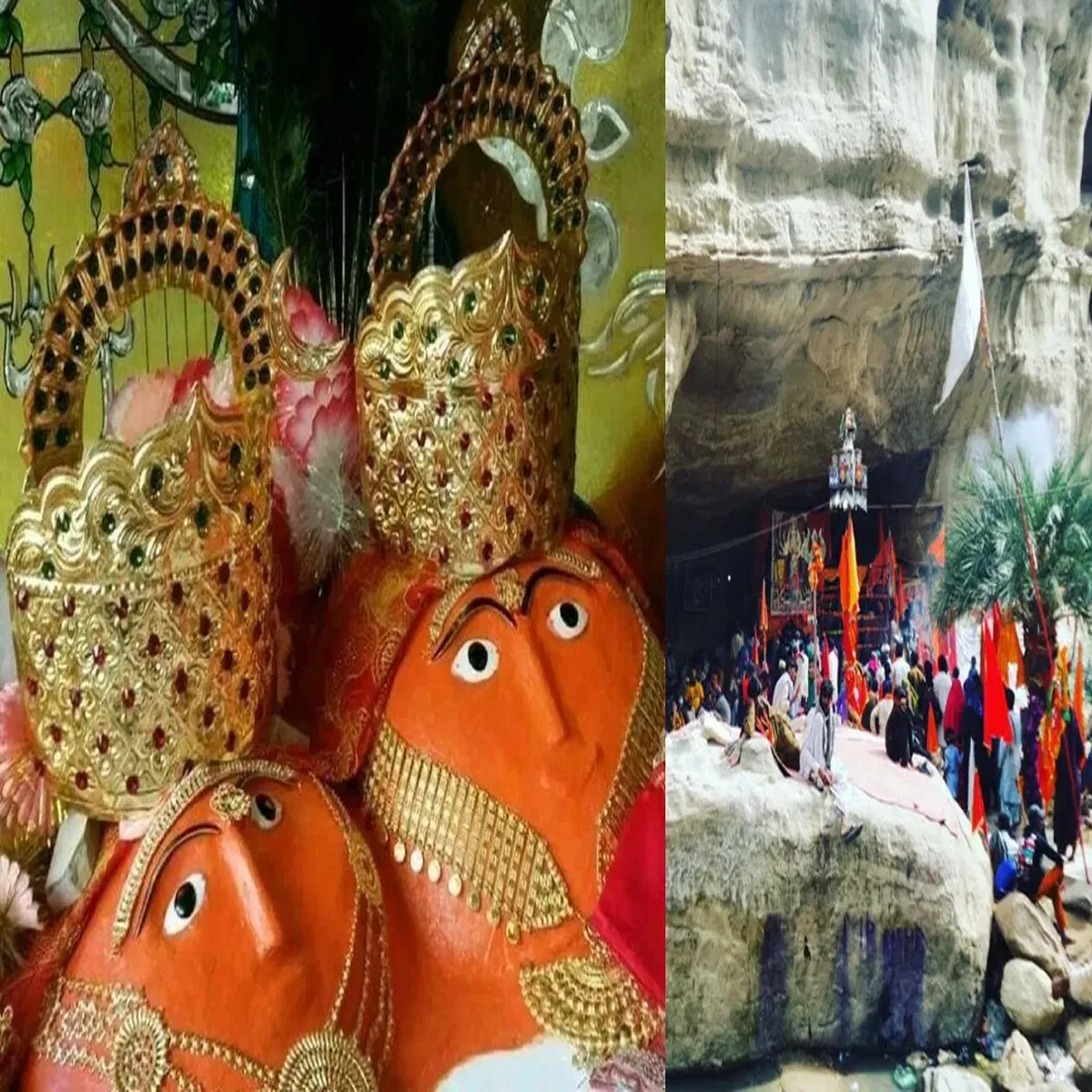
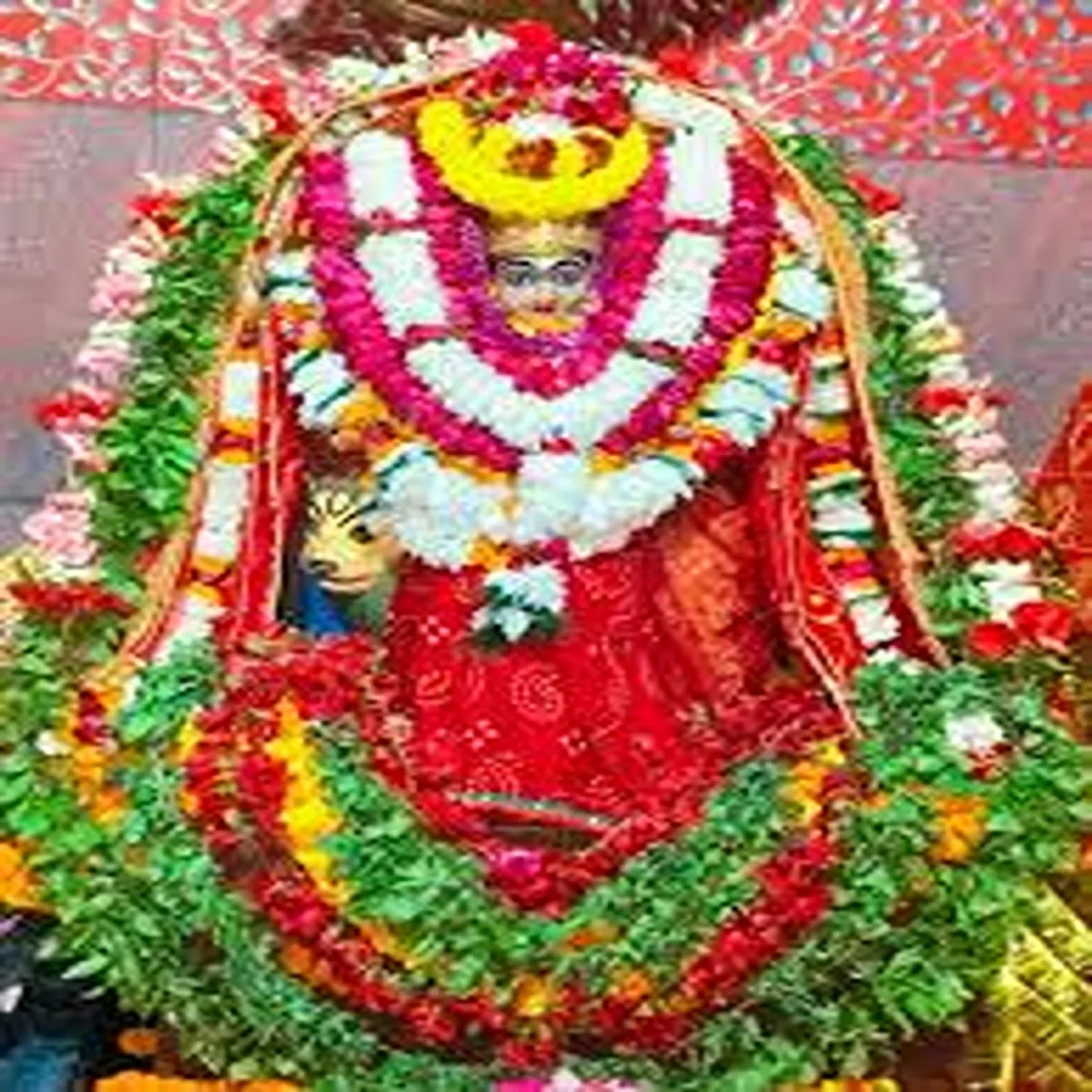
Cultural Importance of the Kaal Bhairav Temple
The idol at the revered temple of Shri Kaal Bhairav Nath Swami in Adegav, Madhya Pradesh, is visually intense, featuring glaring eyes, tiger-like teeth, flaming hair, a serpent around the neck and a garland of skulls. The deity holds a noose, trident, drum and skull in his four hands, and a dog is often depicted as his divine companion. This temple attracts Hindu, Buddhist and Jain devotees alike. Visitors from India and Nepal frequently consider this shrine a sacred destination. Among Newars, Bhairav is an important deity, and nearly every Newar settlement contains at least one Bhairav temple. In Karnataka, Maharashtra and Tamil Nadu, rural communities honor Bhairav as a primary guardian deity. Followers believe that offering halwa puri to dogs on Saturday helps reduce obstacles in life.
Timings of the Kaal Bhairav Temple
The temple remains open from 6 AM to 8 PM, with a break between 12 PM and 2 PM. During festivals or special events, the temple schedule may be adjusted to accommodate larger gatherings of worshippers.
Food Offering Traditions
After 2 PM, devotees receive prasad which mainly includes sweets and dry fruits. Seasonal fruits may also be offered to the deity by visitors seeking blessings.
Festivals Celebrated at the Temple
Bhairav Ashtami is one of the most significant celebrations at the temple, marking the divine appearance of Kaal Bhairav on earth. Observed during the Krishna Paksha Ashtami of the Margashirsha month, the festival involves special rituals and prayers. Maha Shivratri is also celebrated with grandeur, drawing thousands of devotees who light oil lamps, offer prasad and seek spiritual blessings.
Ritual Practices and Offerings
Daily rituals include morning and evening aarti. The deity is bathed with water, milk, curd, honey, ghee, sacred ash and sandal paste, a process known as abhishekam. Flowers such as lotus, jasmine and shankhpushpi, along with bilva leaves, are offered. Devotees present bhog, light incense sticks and lamps and maintain purity in clothing while performing prayers.
How to Reach the Kaal Bhairav Temple
By Air: The nearest airport to Adegav is Chhindwara Airport, located 53.2 km away. Jabalpur Airport is 117.2 km away and Dr. Babasaheb Ambedkar International Airport is about 175.3 km from the site.
By Rail: The closest railway station is Karaboh, around 36.8 km from Mamakudi. Other nearby stations include Seoni Railway Station and Bhoma Railway Station.
By Road: Adegav is 63.7 km from Narsinghpur district headquarters and 35.7 km from Seoni. The nearest town, Amarwara, lies 17.9 km away.