Lord Shiva: The Supreme Force of Creation, Balance, and Spiritual Awakening
Lord Shiva: According to ancient Indian belief systems, the universe was created and sustained through the combined energies of five principal divine powers: Brahma, Vishnu, Mahesh, Prajapati, and Meenakshi. Each of these divine entities represents unique cosmic responsibilities while also embodying the universal qualities of the Supreme Being. Among them, Lord Shiva, also known as Mahesh, is regarded as the highest and most transcendent form of divinity. He is not only a god of destruction but also a symbol of regeneration, balance, and ultimate truth.
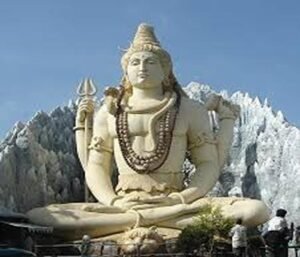
The Divine Nature of Lord Shiva
Lord Shiva is often portrayed as a calm and meditative deity, deeply connected with nature, animals, and inner consciousness. His serene form reflects detachment from material desires and complete mastery over the self. At the same time, Shiva is also known for his fierce and dynamic manifestations. In forms such as Nataraja, the cosmic dancer, and Bhairava, the fearsome protector, he represents the unstoppable force that destroys ignorance and evil. This duality makes Shiva one of the most complex and deeply revered figures in Hindu philosophy.
Symbolism and Worship Across India
Across India, Lord Shiva is worshipped primarily in the symbolic form of the Shivling. This sacred symbol represents infinite energy, creation, and the formless nature of the divine. From the northern Himalayan regions to the southern tip of the Indian peninsula, Shiva is worshipped as the destroyer of negativity and the guardian of the innocent. His presence is deeply embedded in the spiritual geography of the Indian subcontinent, with countless temples, shrines, and pilgrimage sites dedicated to him.
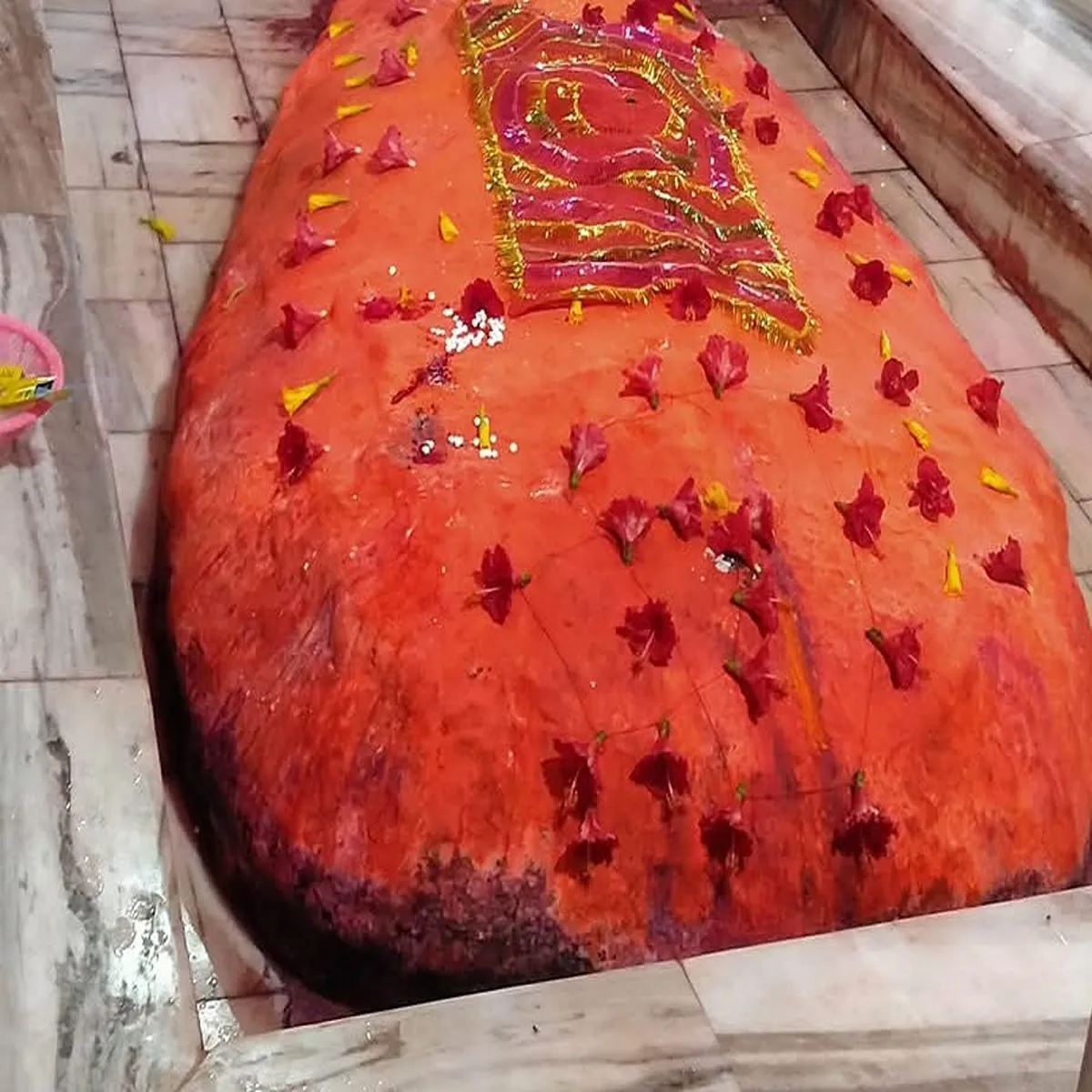
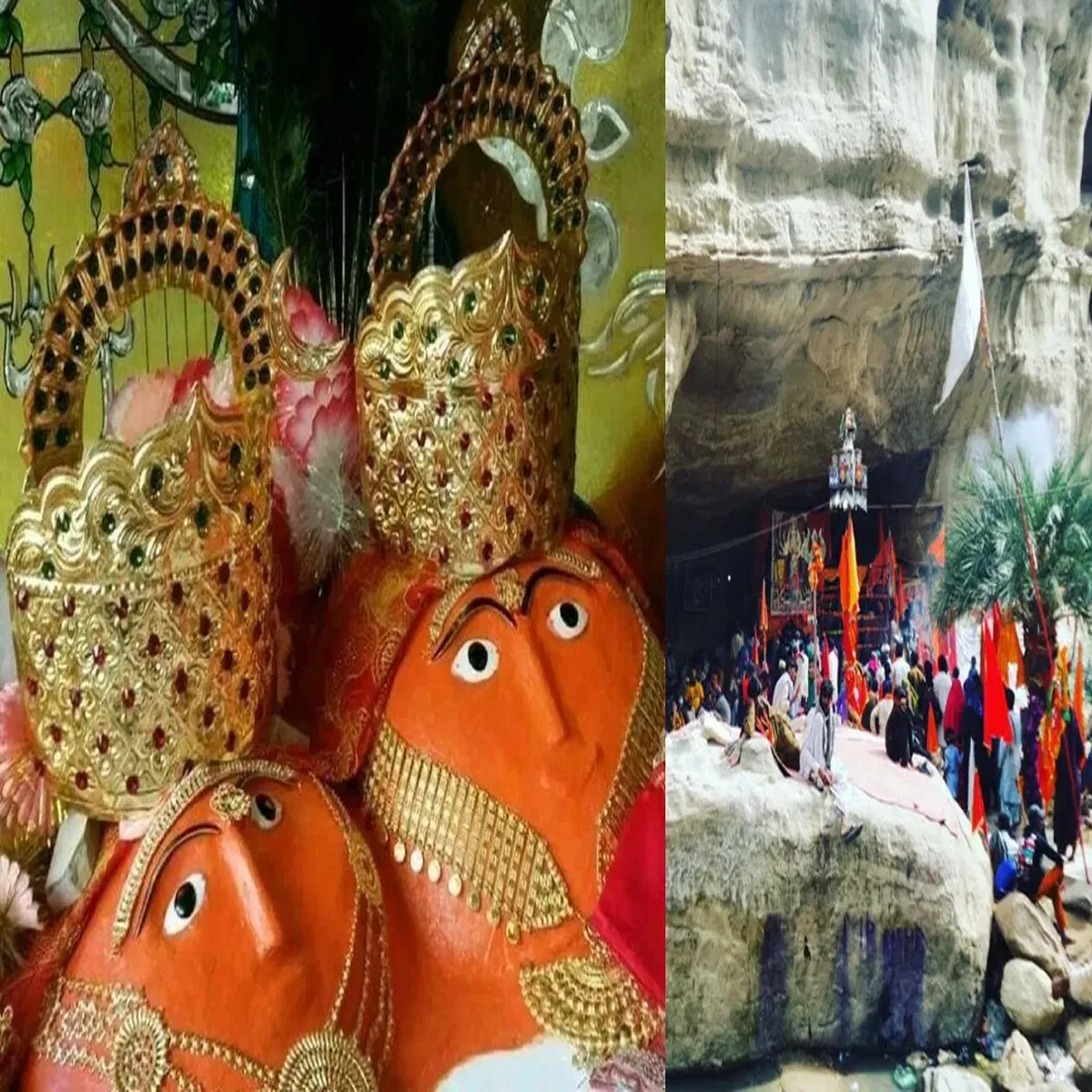
Names and Spiritual Significance
Lord Shiva is also known by many other names such as Mahadev and Shambhu, each highlighting a different aspect of his divine personality. As one of the principal deities of Hinduism, he is worshipped by millions seeking spiritual peace, self-realization, and divine blessings. Devotees believe that sincere devotion to Shiva leads to liberation from suffering and a deeper understanding of life’s true purpose.
Importance of Shiva Temples in Indian Culture
India is home to innumerable temples, each carrying its own spiritual history and cultural importance. Pilgrimages to Shiva temples are considered highly auspicious, and many devotees undertake these journeys at least once in their lifetime. These sacred sites are not only places of worship but also centers of ancient wisdom, architecture, and collective faith passed down through generations.
Kedarnath Temple, Uttarakhand
Located in the lush valleys of the Garhwal Himalayas, Kedarnath Temple is one of the most ancient and revered shrines dedicated to Lord Shiva. It holds a prominent place in the Chota Char Dham pilgrimage circuit of Uttarakhand, attracting a massive number of devotees every year. Surrounded by snow-clad peaks and natural beauty, the temple offers a deeply spiritual and awe-inspiring experience.
According to legend, Lord Shiva rested here with Goddess Parvati before proceeding to the Amarnath cave. The foundation of the temple is believed to have been laid by the Pandava brothers, central figures of the Mahabharata. In the eighth century, the great philosopher and proponent of Advaita Vedanta, Adi Shankaracharya, played a significant role in reviving and re-establishing the temple’s spiritual prominence.
The main deity at Kedarnath is worshipped in the form of a triangular rock, symbolizing Shiva’s eternal presence. The temple stands gracefully on the banks of the sacred Mandakini River, with the majestic Kedarnath mountain range forming a breathtaking backdrop. This combination of natural grandeur and spiritual depth makes Kedarnath one of the most significant pilgrimage destinations in India.
Enduring Legacy of Lord Shiva
The worship of Lord Shiva transcends regional boundaries and cultural differences. His teachings emphasize balance, self-discipline, compassion, and inner strength. Whether through meditation, ritual worship, or pilgrimage, devotees continue to seek his guidance for spiritual growth and protection. Lord Shiva remains an eternal symbol of transformation, reminding humanity that destruction is not an end, but a path to renewal and higher consciousness.