Sacred Heights of Devotion: A Complete Guide to Kedarnath Temple in Uttarakhand
Sacred Heights of Devotion: Nestled in the majestic Himalayan ranges of Uttarakhand, Kedarnath Temple stands as one of the most revered spiritual destinations in India. Dedicated to Lord Shiva, this ancient shrine is not only a cornerstone of Hindu faith but also a symbol of endurance, devotion, and architectural brilliance. Surrounded by snow-clad peaks and serene natural beauty, Kedarnath attracts pilgrims, spiritual seekers, and travelers from across the world. This detailed guide explores the history, mythology, architecture, rituals, festivals, visiting time, and travel routes associated with Kedarnath Temple, offering a complete understanding of its timeless significance.
Historical Background of Kedarnath Temple
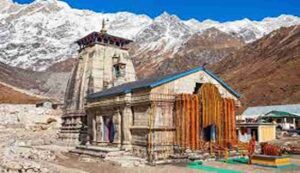
The history of Kedarnath Temple dates back thousands of years and is deeply rooted in ancient Indian civilization. According to historical beliefs, the temple is associated with the era of the Pandavas from the epic Mahabharata. It is widely believed that the original structure was built by the Pandava brothers as an act of repentance. Later, during the 8th century, the temple was reconstructed and revived under the guidance of Adi Shankaracharya, who played a vital role in re-establishing Hindu pilgrimage sites across India. His samadhi is also located near the temple, adding further historical depth to the sacred site.
Mythological Significance of Kedarnath
The mythology of Kedarnath Temple is one of devotion, guilt, and divine forgiveness. After the Kurukshetra war, the Pandavas sought liberation from the sins incurred during the battle. To attain absolution, they searched for Lord Shiva, who avoided them by disguising himself as a bull and fleeing toward the Himalayas. When Bhima recognized the bull and tried to stop him, Lord Shiva vanished into the earth, leaving behind his hump at Kedarnath. Other body parts appeared at different locations, collectively known as the Panch Kedar. Pleased with the Pandavas’ devotion, Lord Shiva eventually forgave them, making Kedarnath a powerful symbol of redemption and divine grace.
Architectural Features of Kedarnath Temple
Kedarnath Temple showcases a classic example of ancient stone architecture designed to withstand extreme climatic conditions. Built on a raised rectangular platform, the structure uses massive stone slabs interlocked without mortar. The temple consists of two main sections: the sanctum where the deity is enshrined, and a large assembly hall for devotees. At the entrance stands a stone statue of Nandi, the sacred bull and vehicle of Lord Shiva. The inner sanctum houses a naturally formed conical rock, revered as a manifestation of Shiva in his Sadashiva form, making it one of the highest Jyotirlinga shrines in India.
Worship Practices and Rituals
Daily worship at Kedarnath Temple follows traditional Shaivite customs. The chief priest, known as the Rawal, belongs to the Veerashaiva tradition of southern India and supervises all religious activities. Various rituals and offerings are performed throughout the day, including abhishekam, aarti, and special pujas. Devotees can participate in these rituals either in person or through advance online booking. Some ceremonies require physical presence, while others are conducted on behalf of devotees, ensuring accessibility for pilgrims worldwide.
Darshan Timings at Kedarnath Temple
Due to heavy snowfall, Kedarnath Temple remains closed during winter months. The shrine generally opens for devotees in late April or early May and closes around November. The daily schedule includes early morning prayers, regular darshan hours, and evening aarti. Morning rituals usually begin before sunrise, followed by darshan sessions in the morning and evening. The spiritual ambiance during these hours offers a deeply fulfilling experience for visitors.
Major Festivals Celebrated in Kedarnath
Several important festivals are celebrated at Kedarnath with immense devotion and cultural vibrancy. The Badri Kedar Festival, held in June, is a week-long celebration featuring traditional music and dance. The Shravan Annakoot Fair takes place in August, where freshly harvested grains are offered to Lord Shiva. Another significant ritual is the Samadhi Puja, performed on the day the temple closes for winter, marking the symbolic transfer of worship to the winter seat.
How to Reach Kedarnath Temple
Reaching Kedarnath requires a combination of travel modes due to its remote location. The nearest airport is Jolly Grant Airport in Dehradun, from where pilgrims can continue by road or helicopter. Rail travelers can reach Rishikesh or Haridwar, both well-connected to major Indian cities, and then proceed by road. By road, Kedarnath is accessible up to Gaurikund, the base point for the final journey. From Gaurikund, pilgrims can trek, hire ponies, palanquins, or opt for helicopter services during the pilgrimage season.
Spiritual and Cultural Importance
Kedarnath Temple is not merely a place of worship; it is a profound spiritual journey that blends faith, nature, and resilience. Despite facing natural calamities over centuries, the temple remains a beacon of hope and devotion. Visiting Kedarnath is often considered a life-transforming experience, offering inner peace and a deep connection with ancient traditions.