Festival – Dasha Mata Festival 2026: Rituals, Beliefs and Sacred Legend
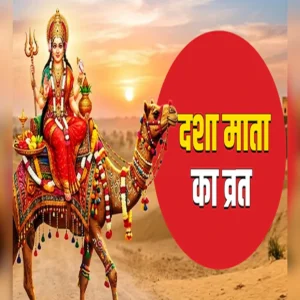
Festival – Faith traditions and cultural observances often shape the spiritual life of communities, and the Dasha Mata festival is one such occasion widely observed with devotion in several parts of India. Celebrated on the tenth day of the Chaitra month according to the traditional calendar, the festival in 2026 falls on March 13. On this day, devotees perform rituals dedicated to the goddess and observe a fast, believing that sincere worship and the recitation of the sacred narrative associated with the festival bring prosperity, harmony, and fulfillment of wishes within the household.
Significance of the Dasha Mata Festival
The Dasha Mata festival is regarded as a day of spiritual reflection and devotion. Families, especially women, observe a fast and offer prayers with traditional rituals performed at home. Devotees believe that the goddess protects families from misfortune and blesses them with abundance when worshipped with sincerity. A sacred thread, often referred to in the tradition of the festival, is tied or worn during the observance as a symbol of faith and protection.
Many households also recite the traditional legend connected with the festival. This narrative has been passed down through generations and highlights the importance of humility, faith, and respect for divine grace.
The Story of King Nala and Queen Damayanti
According to the traditional legend, there once ruled a noble king named Nala, who governed his kingdom alongside his wife Damayanti. The royal couple lived with mutual respect and kindness, and their kingdom prospered under their rule. The people of the land enjoyed peace and stability, and the palace was filled with comfort and abundance.
One day, a Brahmin woman arrived at the palace wearing a yellow sacred thread around her neck. Queen Damayanti noticed it and asked about its significance. The visitor explained that the thread represented the blessing of Dasha Mata and that those who wore it with faith could invite prosperity and well-being into their homes. She offered a similar thread to the queen, who accepted it with devotion and placed it around her neck.
When King Nala later saw the thread, he questioned its purpose. After hearing the explanation, he dismissed the idea, saying their kingdom already possessed wealth and prosperity and therefore had no need for such a symbol. Despite the queen’s reluctance, the king removed the thread and cast it aside. The queen felt troubled, fearing that such an act might disrespect the divine.
Strange Dreams and a Change in Fortune
Not long after the incident, the king began to experience a recurring dream. In the dream, two women appeared in the palace. One said she was leaving, while the other declared she was coming to stay. The vision repeated several nights in a row, leaving the king uneasy.
When Queen Damayanti learned of the dream, she advised him to ask the women their names if they appeared again. The next time the dream returned, the king followed her advice. The woman departing revealed herself as Lakshmi, the symbol of prosperity, while the one entering identified herself as poverty.
The meaning of the dream soon became evident. Gradually, the wealth of the kingdom began to vanish. Gold and silver seemed to lose their value, and the royal household faced increasing hardship. Eventually, the king and queen were forced to leave their palace with their young son and live in the forest, surviving on whatever food they could gather.
Trials, Hardship, and Renewed Faith
Their difficulties continued as they wandered from place to place. Misfortune seemed to follow them, and even simple tasks often ended in disappointment. At one point, they attempted to cook food they had caught, only for it to mysteriously disappear. In another incident, circumstances forced them to leave places where they had sought temporary shelter due to misunderstandings and suspicion.
Eventually, they arrived at a dried and neglected garden. Remarkably, the place began to flourish soon after their arrival. The owner of the garden noticed the transformation and offered them work there.
One day, the garden owner’s wife performed a religious observance dedicated to a goddess associated with prosperity and tied a sacred thread during the ritual. When Queen Damayanti asked about it, she learned that the thread symbolized devotion and faith in the goddess. The queen listened to the sacred narrative with deep belief and once again wore the thread with reverence.
Prosperity Returns to the Kingdom
That night, the king experienced the dream again. This time the woman entering the palace introduced herself as Lakshmi, while the one leaving identified herself as poverty. The message was clear: sincere devotion had restored divine favor.
Gradually, fortune began to change. People who had unknowingly mistreated the royal couple realized their true identity and sought forgiveness. As the king and queen journeyed back toward their kingdom, many of the hardships they had experienced seemed to resolve themselves.
When they finally returned to their homeland, prosperity and happiness were restored. According to tradition, the story serves as a reminder that humility, devotion, and respect for divine faith can guide people through adversity and bring renewed blessings.