Religion – Hinglaj Mata Worship Observed With Devotion On Chaitra Chaturdashi
Religion – Devotees across several regions marked a day of special religious importance on March 17, 2026, as Chaitra month’s Krishna Paksha Chaturdashi was observed with श्रद्धा and traditional rituals dedicated to Hinglaj Mata. The day holds particular relevance in communities such as Sindhi groups and parts of Gujarat and Rajasthan, where the देवी is revered as a powerful source of protection and strength. Worshippers believe that sincere prayers offered on this occasion help ease personal difficulties and bring emotional stability.
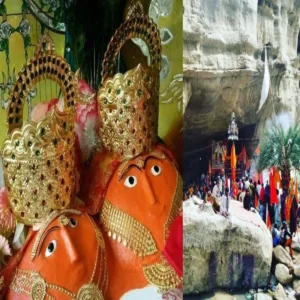
Religious Importance of the Sacred Site
Hinglaj Mata is widely regarded as one of the earliest among the 51 Shakti Peethas, sacred places associated with Goddess Sati. According to long-held beliefs, this is the location where the upper portion of the goddess’s head is said to have fallen. Because of this spiritual connection, the day of Chaturdashi during the Chaitra month is considered especially favorable for performing prayers and meditation. Devotees seek blessings for mental clarity, resilience, and relief from ailments, considering the day spiritually charged.
Auspicious Timing and Varuni Yoga Significance
This year’s observance is further elevated by the formation of Varuni Yoga, a rare and auspicious alignment believed to amplify the benefits of religious acts. Many followers took ritual baths and participated in charitable activities, believing such deeds yield multiplied spiritual rewards under this timing. Hinglaj Mata is also worshipped as a family deity by various communities. Traditional practices emphasize invoking the Kuldevi during such auspicious periods to ensure harmony, prosperity, and protection within households.
Beliefs Around Protection and Victory
Hinglaj Mata is often described in religious traditions as a remover of hardships. Devotees hold that prayers offered with faith can help overcome obstacles and instill courage. There is also a well-known belief that Lord Ram undertook a pilgrimage to seek the goddess’s blessings after the defeat of Ravana, aiming to atone for the sin associated with the act. This association strengthens the perception of the goddess as a source of purification and spiritual balance.
Additionally, the day falling on a Tuesday further enhances its importance, as Tuesdays are traditionally linked with the worship of divine शक्ति. Devotees believe that performing rituals on this combination of day and date can bring success over adversities and reduce fears.
Rituals Followed By Devotees
Many households observed simple yet meaningful rituals throughout the day. Lighting a lamp filled with pure ghee in the home temple is considered an essential part of the पूजा, symbolizing the removal of darkness and negativity. Offering red-colored clothing or a chunri to the goddess is another widely followed practice, as red is associated with energy and strength in Hindu belief systems.
Chanting of the mantra “Om Hinglajayai Namah” is also encouraged, with devotees repeating it according to their capacity. These rituals are performed with the intention of seeking blessings for well-being, stability, and protection from unforeseen challenges.
Continued Cultural Relevance
Despite changing times, the observance of Hinglaj Mata worship continues to hold deep cultural and emotional significance among devotees. It reflects the enduring connection between faith, tradition, and community identity. For many families, such occasions are not only about religious practices but also about preserving heritage and passing down values to the next generation.