Spirituality – Ten Sacred Forms of the Goddess Revered Across Ancient Traditions
Spirituality – Across several long-standing spiritual traditions in India, the divine feminine is worshipped in multiple powerful forms. Among followers of Aghor, Nath, Shakta, and Tantric paths, there is a shared belief in ten distinct manifestations of the mother goddess. These forms are not just symbolic but are deeply embedded in ritual practices, meditation, and spiritual philosophy.
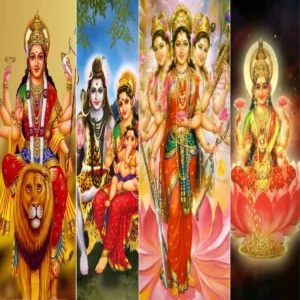
Shared Reverence Across Diverse Traditions
Though these traditions differ in their methods and interpretations, they converge in their devotion to the same supreme feminine force. Practitioners of Aghor, Nath, Shakta, and Tantric disciplines regard these ten forms as central to their spiritual journey. Each form represents a different aspect of cosmic energy, embodying both creation and destruction, compassion and power.
These traditions consider the goddess not merely as a deity but as the ultimate source of existence. The forms are seen as expressions of the same universal energy, interpreted through different spiritual lenses. This shared reverence highlights a deep philosophical unity despite outward differences in rituals and practices.
The Ten Forms and Their Spiritual Significance
The ten forms of the goddess, often referred to in spiritual texts and oral traditions, are believed to represent the complete spectrum of divine energy. Each form has its own significance, symbolism, and method of worship. Some are associated with fierce energy and transformation, while others symbolize nurturing, wisdom, and protection.
Followers believe that by worshipping these forms, one can attain spiritual growth, inner strength, and liberation from worldly attachments. These forms are often invoked during meditation, rituals, and specific ceremonies aimed at harnessing divine energy.
Role in Shaiva and Shakta Beliefs
In both Shaiva and Shakta traditions, the goddess holds a central position. While Shaiva philosophy often emphasizes the union of Shiva and Shakti, Shakta belief systems place the goddess as the supreme power itself. In both perspectives, these ten forms are seen as manifestations of the same divine mother.
Practitioners believe that all forms of energy in the universe originate from this feminine force. The goddess is not limited to a single identity but exists in multiple forms to guide, protect, and transform her devotees. These ten manifestations serve as a spiritual framework through which followers understand the complexities of existence.
Rituals and Devotional Practices
Worship practices vary across traditions but often include chanting, meditation, offerings, and symbolic rituals. Tantric practitioners, in particular, follow detailed and structured methods to invoke specific forms of the goddess. Nath and Aghor followers may adopt more intense and unconventional approaches, focusing on detachment and transcendence.
Despite differences in rituals, the core intention remains the same: to connect with the divine feminine and seek spiritual elevation. Devotees believe that sincere worship of these forms can bring clarity, शक्ति, and balance in life.
Cultural and Philosophical Impact
The concept of these ten forms has influenced not only religious practices but also art, literature, and philosophy. Temples, scriptures, and folklore across India reflect the deep-rooted presence of these beliefs. Over time, these forms have become symbols of शक्ति, resilience, and transformation in cultural narratives.
Even today, many followers continue to uphold these traditions, passing them down through generations. The teachings associated with these forms remain relevant, offering insights into life, energy, and the nature of existence.
In essence, the ten forms of the goddess represent a profound spiritual system that transcends individual traditions. They serve as a reminder of the diverse yet unified ways in which the divine feminine is understood and worshipped.