Festival – Tripur Bhairavi Jayanti Observed with Devotion on Margashirsha Purnima
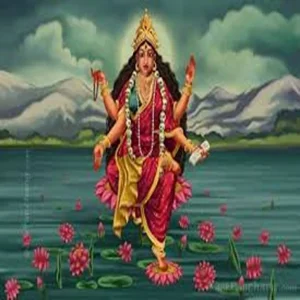
Festival – The birth anniversary of Goddess Tripur Bhairavi, revered as a powerful manifestation of divine feminine energy, is being observed on Sunday, December 15, coinciding with the full moon day of the Margashirsha month.
Significance of Tripur Bhairavi in Hindu Tradition
Tripur Bhairavi is regarded as one of the ten Mahavidyas, a group of powerful goddesses in Hindu spiritual tradition. She is considered the sixth form among these divine manifestations. According to religious interpretations, the term “Tripur” refers to the three realms—heaven, earth, and the underworld—while “Bhairavi” is associated with Bhairav, a fierce form linked to Lord Shiva. Together, the name signifies a force that governs and protects all three worlds while eliminating fear and negative influences.
On this auspicious day, devotees offer prayers not only to Tripur Bhairavi but also to forms like Goddess Kali and Tripur Sundari. Worshippers believe that sincere devotion on this occasion can bring success, stability, and overall well-being in life. Chanting specific mantras dedicated to the goddess is also considered highly beneficial for spiritual growth and peace of mind.
Rituals and Devotional Practices
Devotees begin the day with early morning rituals, including bathing and preparing offerings for the goddess. Temples dedicated to Shakti forms witness special ceremonies, while many people perform prayers at home. Recitation of sacred texts and mantras forms a key part of the observance. Among these, chanting traditional invocations dedicated to Tripur Sundari is believed to promote harmony and prosperity.
The full moon day adds further importance to the celebration, as it is traditionally linked with spiritual clarity and heightened devotional energy. Many followers also observe fasting and engage in meditation, seeking inner strength and guidance from the goddess.
Mythological Origins of Tripur Bhairavi
Ancient texts, including references found in Narad Pancharatra, provide insight into the origins of Tripur Bhairavi. According to these accounts, there was a time when Goddess Kali decided to withdraw into her original form and disappeared from sight. Lord Shiva, unable to locate her, requested sage Narad to help find her.
Narad is said to have guided Shiva by revealing that the goddess could be found in the northern region of Mount Sumeru. Acting on this knowledge, Shiva sent Narad with a proposal of marriage to the goddess. However, upon hearing this proposal, the goddess became enraged.
Emergence of the Fierce Form
During her moment of intense anger, a radiant and powerful form emerged from her being. This form, described as shining with the brilliance of thousands of rising suns, represented an intense and formidable energy. It is believed that from this manifestation, the form known as Tripur Bhairavi came into existence.
This depiction highlights the goddess as a symbol of transformative power—capable of both creation and destruction. Her fierce appearance is not only a sign of strength but also a reminder of the role she plays in removing negativity and restoring balance in the universe.
Continuing Relevance of the Celebration
Even today, Tripur Bhairavi Jayanti holds deep spiritual meaning for devotees across regions. The day is seen as an opportunity to reflect, seek blessings, and reconnect with divine energy. While rooted in ancient mythology, the festival continues to inspire faith and devotion in modern times.
Through rituals, stories, and prayers, followers honor the goddess’s role as a protector and guide. The observance reinforces the enduring belief in the power of divine feminine energy and its influence on human life.