Health – Ancient Sheetala Mata Legend Highlights Traditional Disease Care Practices
Health – The story of Sheetala Mata, a revered deity in Hindu belief, continues to be recited during the Basoda festival, reflecting long-standing traditions associated with health and hygiene. Known by several names, including Sheetala Devi, she is worshipped as a protector against infectious diseases, particularly ailments such as smallpox and chickenpox. Devotees offer specific food preparations and follow strict rituals as part of her worship, believing that her blessings safeguard families from illness.
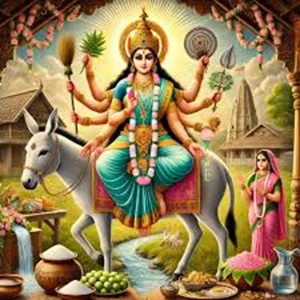
A Tale of Two Households and Contrasting Practices
According to the traditional account, once a king’s only son and a poor farmer’s child were both afflicted with the same disease. While the farmer’s family had limited means, they remained deeply devoted and followed all prescribed customs carefully. They maintained strict cleanliness, avoided salt, refrained from cooking spicy or fried food, and ensured that only simple, cooled meals were consumed. These measures were believed to help soothe the condition and prevent further irritation.
In contrast, the royal household took a different approach. Despite conducting elaborate rituals, including continuous recitations and offerings, the palace environment remained filled with rich, hot, and heavily spiced food. The aroma of these meals tempted the sick prince, who often insisted on eating them. His demands were fulfilled due to his status as the only heir, but this only worsened his condition.
Illness Worsens Despite Ritual Efforts
As days passed, the prince’s health deteriorated. The disease intensified, leading to painful boils and severe discomfort. The king, despite arranging numerous religious ceremonies and sacrifices, found no relief for his son. The situation grew increasingly distressing, leaving the king puzzled as to why his efforts were failing.
Meanwhile, news reached the king that the farmer’s child had fully recovered. This revelation troubled him deeply. He questioned how a family with fewer resources and simpler practices could achieve better results than the extensive rituals performed in the palace.
Divine Guidance Offers Clarity
One night, the king reportedly received guidance in a dream. The goddess, dressed in white, appeared and explained the situation. She acknowledged his devotion but pointed out that essential practices had been ignored. She emphasized the importance of avoiding salt, as it could aggravate the patient’s condition. She also advised against cooking aromatic foods that might tempt the patient, and stressed limiting contact to prevent the spread of infection.
The message highlighted that discipline and adherence to specific care practices were as important as devotion itself. After delivering this guidance, the goddess is said to have disappeared.
Recovery Through Correct Practices
Following the dream, the king immediately implemented the advised changes. The palace environment was adjusted to align with the recommended practices. Gradually, the prince’s condition began to improve, and he eventually recovered.
The narrative underscores a broader message about the balance between faith and practical care. It suggests that proper hygiene, dietary control, and disciplined routines play a vital role in managing illness.
Continued Relevance in Cultural Observances
Even today, devotees observe rituals associated with Sheetala Mata with a focus on cleanliness and simple food offerings. Special prayers and chants are recited, including traditional mantras dedicated to the goddess. These practices are believed to bring relief from suffering and promote overall well-being.
The story continues to be shared across generations, not only as a religious account but also as a reminder of the importance of mindful living during times of illness.