Mythology – The Story Behind Kirtimukha Guardian Seen At Temple Entrances
Mythology – The image of a fierce, disembodied face often seen above temple gateways across India carries a deep spiritual meaning rooted in ancient mythology. Known as Kirtimukha, this striking figure is not merely decorative but is believed to serve as a powerful guardian, protecting sacred spaces and homes from negative influences.
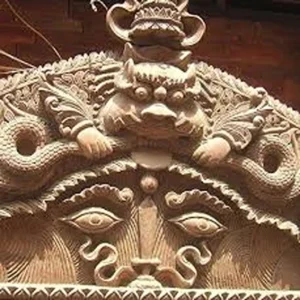
A Guardian Unlike Other Divine Protectors
In many temples, the role of protection is traditionally associated with divine attendants or guardians such as deities and their companions. However, Kirtimukha stands apart. Despite being described as a demon-like entity, it is revered and worshipped in a manner similar to divine figures. Many households also place its image above doorways or on outer walls, believing it safeguards the premises from harmful energies.
The presence of Kirtimukha is especially noticeable in temple architecture, where its face is often carved prominently above the entrance or near the sanctum. Its intense expression is thought to symbolize vigilance and the constant removal of negativity.
Mythological Origins Linked to Lord Shiva
According to traditional beliefs, Kirtimukha was created by Lord Shiva under extraordinary circumstances. One widely shared narrative describes how a powerful being, often identified as Rahu, attempted to disrupt cosmic balance by interfering with the moon associated with Shiva. This act angered Shiva, who then manifested Kirtimukha from his own energy to confront the offender.
When Kirtimukha was ordered to consume Rahu, the latter became frightened and sought forgiveness from Shiva. Moved by compassion, Shiva pardoned Rahu. However, this left Kirtimukha without a purpose, as it had been created with immense hunger and destructive power.
The Unusual Act of Self-Consumption
After Rahu was spared, Kirtimukha expressed its hunger and asked Shiva what it should do next. In a moment that defines its symbolic significance, Shiva instructed the being to consume itself. Obeying the command without hesitation, Kirtimukha began devouring its own body.
By the time Shiva’s meditation ended, only the face and hands of Kirtimukha remained. This act of self-consumption is often interpreted as a metaphor for overcoming ego, desire, and destructive tendencies.
A Symbol of Protection and Transformation
Impressed by its obedience and sacrifice, Shiva granted Kirtimukha a unique role. He declared that wherever Kirtimukha’s image is स्थापित, it would devour negativity, including anger, jealousy, and harmful energies. From that point onward, Kirtimukha became a protective symbol rather than a destructive force.
This transformation from a fearsome being into a guardian figure is central to its significance. It reflects the idea that even destructive energy can be redirected towards protection and balance when guided by higher wisdom.
Presence in Temple Architecture and Homes
Kirtimukha is a common feature in many historic temples across India. Its face, often depicted without a body, appears above gateways or near sacred spaces. The expression may seem fierce, but it is intended to ward off negative influences and maintain spiritual purity within the premises.
In addition to temples, many people place images or carvings of Kirtimukha outside their homes. The belief is that its presence acts as a barrier against unseen forces, ensuring peace and harmony within the household.
Alternate Interpretations of the Legend
Some interpretations suggest that the story may involve a powerful individual who misused spiritual abilities and developed arrogance. According to this version, Shiva created Kirtimukha to punish the individual. When the person sought forgiveness, Shiva showed mercy, reinforcing the idea that humility and repentance can lead to redemption.
Regardless of the variation, the central theme remains consistent: unchecked pride leads to downfall, while surrender and discipline lead to transformation.