Navratri – Devotees Observe Day Eight with Rituals for Goddess Mahagauri
Navratri – The eighth day of Chaitra Navratri holds special importance for devotees who dedicate their prayers to Goddess Mahagauri, a revered form of Goddess Durga known for her calm and radiant presence. Many devotees also conclude their fasting on this day, making Ashtami a spiritually significant occasion during the nine-day festival.
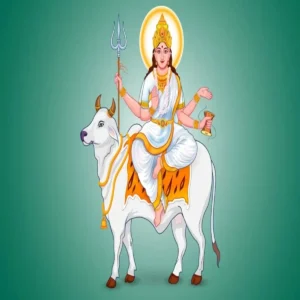
Significance of Day Eight in Navratri
The eighth day, widely referred to as Durga Ashtami, is considered one of the most sacred days of the Navratri festival. On this day, devotees worship Goddess Mahagauri, who symbolizes purity, peace, and wisdom. Observing rituals on this day is believed to bring mental clarity and remove past difficulties. For many, it also marks the completion of fasting that began at the start of Navratri.
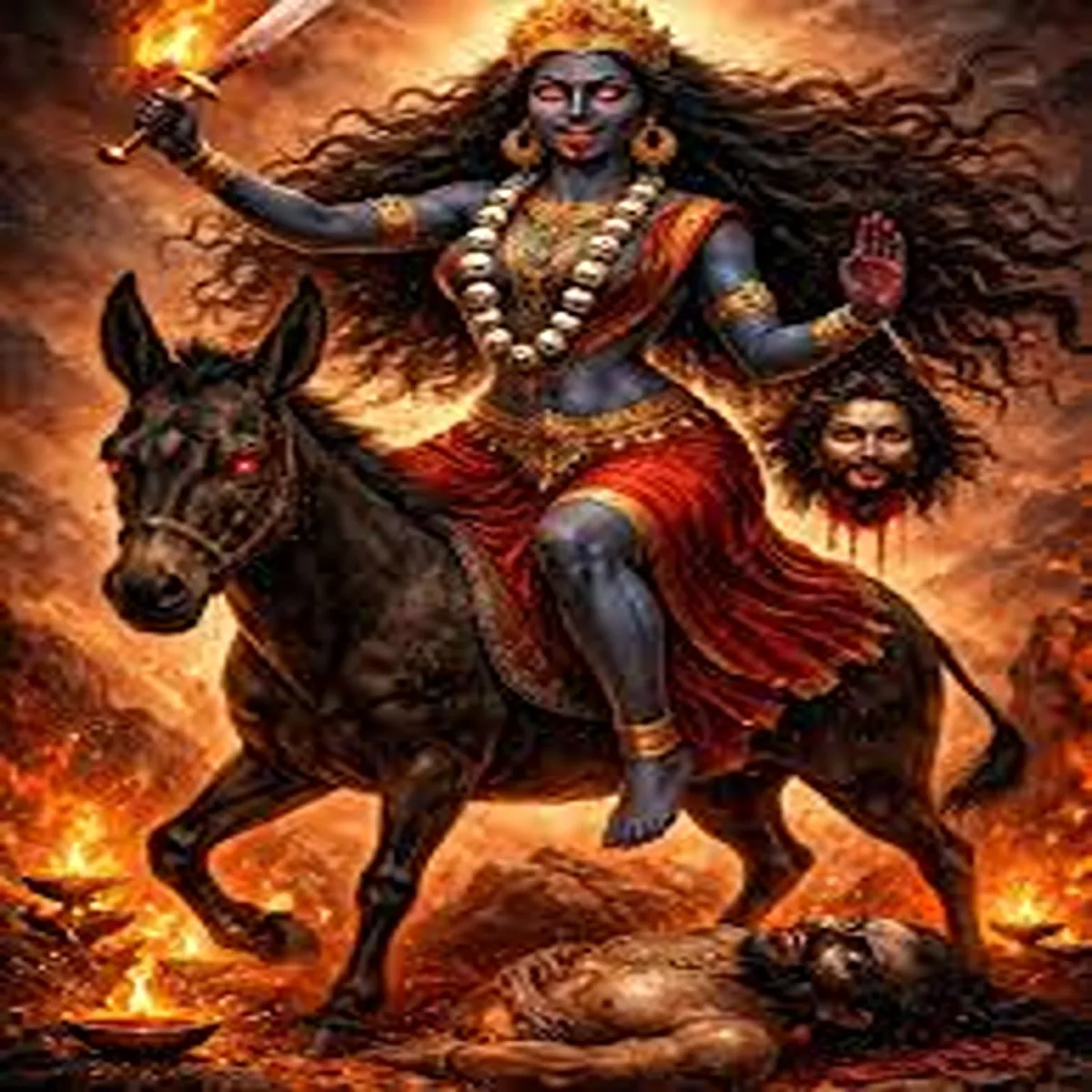
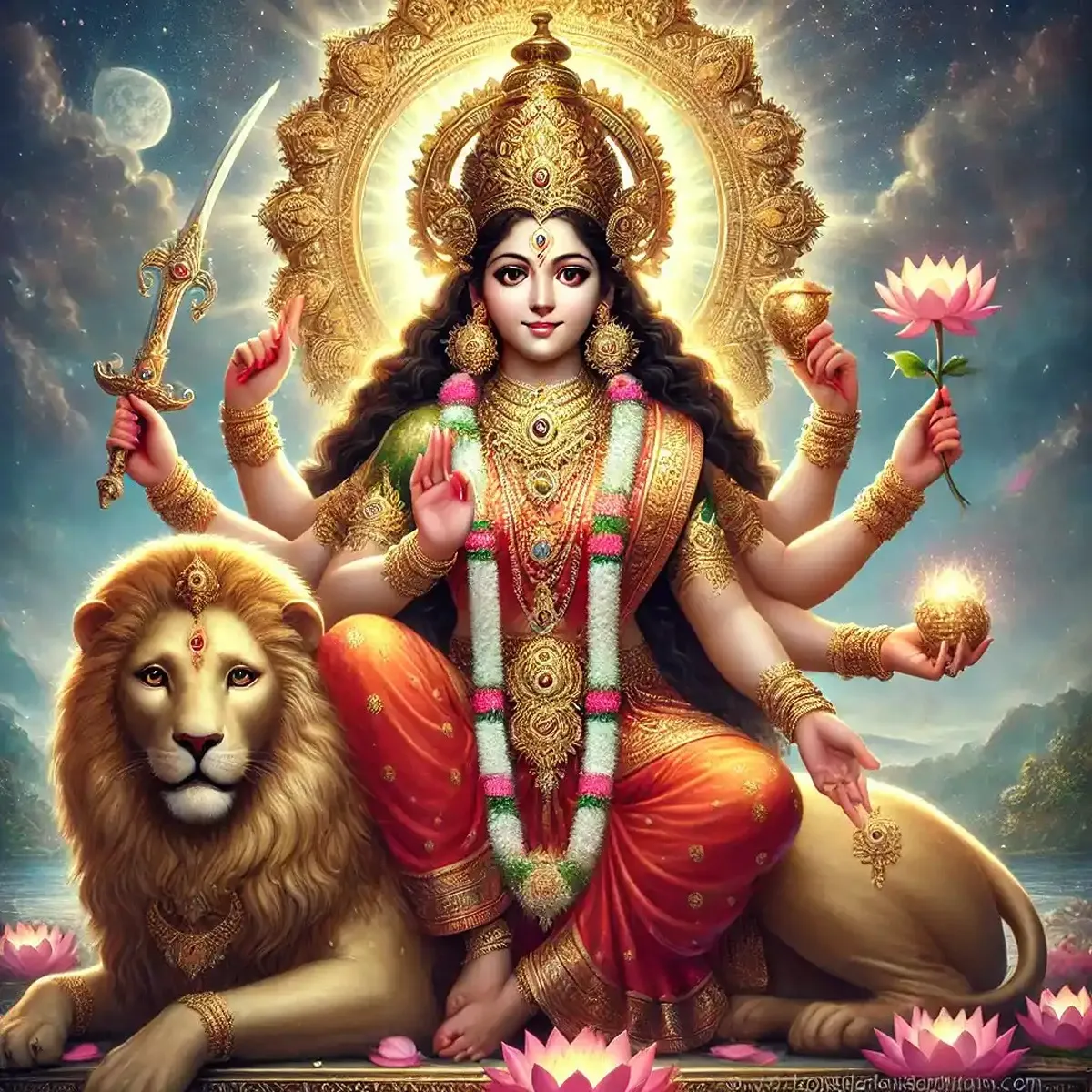
Depiction and Symbolism of Goddess Mahagauri
Goddess Mahagauri is regarded as the eighth manifestation of Goddess Durga. She is often described as having a bright and serene complexion, symbolizing inner peace and purity. Her appearance is traditionally compared to white elements such as the moon, conch shell, and jasmine flowers, all representing calmness and spiritual clarity.
She is depicted riding a bull, which signifies strength and stability. The goddess is shown with four arms—holding a trident and a damaru (a small drum) in two hands, while the other two are in gestures that offer protection and blessings to her devotees. Her composed and gentle expression reflects compassion and reassurance.
Preparations for Worship
Devotees begin the day early, typically before sunrise, by taking a bath and preparing themselves mentally for the rituals. Many choose to wear white clothing, as it is associated with the goddess and represents purity. The worship area is cleaned thoroughly, often with sacred water, to create a spiritually conducive environment.
A platform is set up with a clean cloth, usually red, on which an idol or image of Goddess Mahagauri is placed. This forms the central point of the पूजा setup.
Step-by-Step Worship Process
The ritual begins with applying tilak using kumkum, sandalwood paste, and vermilion to the idol or image of the goddess. Devotees then offer white flowers such as jasmine, which are considered especially auspicious for this day.
Offerings play an important role in the पूजा. Coconut or sweets made from coconut are commonly presented as prasad. Lighting a lamp using mustard oil or clarified butter is another essential part of the ritual, symbolizing the removal of darkness and ignorance.
The पूजा concludes with an aarti performed using a lamp or camphor, accompanied by devotional songs and prayers. This final step is believed to invoke divine blessings and bring peace to the household.
Spiritual Importance for Devotees
Worshipping Goddess Mahagauri is believed to cleanse the mind and soul. Devotees seek her blessings for prosperity, harmony, and relief from hardships. The day is also associated with forgiveness and renewal, encouraging individuals to let go of negativity and move forward with positivity.
For those observing fasts, Ashtami often marks the time to break the fast after completing the rituals. Many also perform Kanya Puja, where young girls are worshipped as embodiments of the goddess, highlighting the cultural and spiritual depth of the festival.
A Day of Devotion and Reflection
Chaitra Navratri’s eighth day is not only about rituals but also about inner reflection and devotion. It serves as a reminder of the values of purity, kindness, and strength that Goddess Mahagauri represents. Across households and temples, the day is observed with deep faith, creating a sense of unity and spiritual fulfillment among devotees.