Religion – Newly Composed Ram Stotra Highlights Values of Devotion and Dharma
Religion – A newly written devotional composition titled “Maryada Purushottam Shri Ram Amrit Stotram” has been presented with the aim of promoting universal welfare and inner peace. Inspired by the ideals associated with Lord Ram, the stotra reflects a deep spiritual foundation rooted in dharma, compassion, and moral discipline. It has been composed under the blessings of Vedic scholar Pandit Poornanand Vyas and seeks to guide devotees toward a balanced and virtuous life.
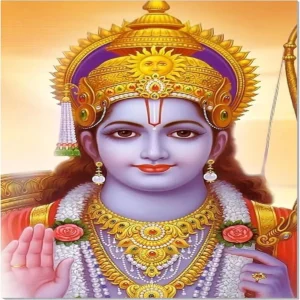
A Devotional Composition Rooted in Classical Ideals
The stotra draws upon the traditional framework of Ram Bhakti and highlights the noble qualities of Lord Ram, often regarded as the embodiment of righteousness and moral conduct. Each verse begins with a Sanskrit shloka followed by a brief explanation in Hindi, making it accessible to a wider audience. The structure ensures that readers not only recite but also understand the deeper meaning behind each verse.

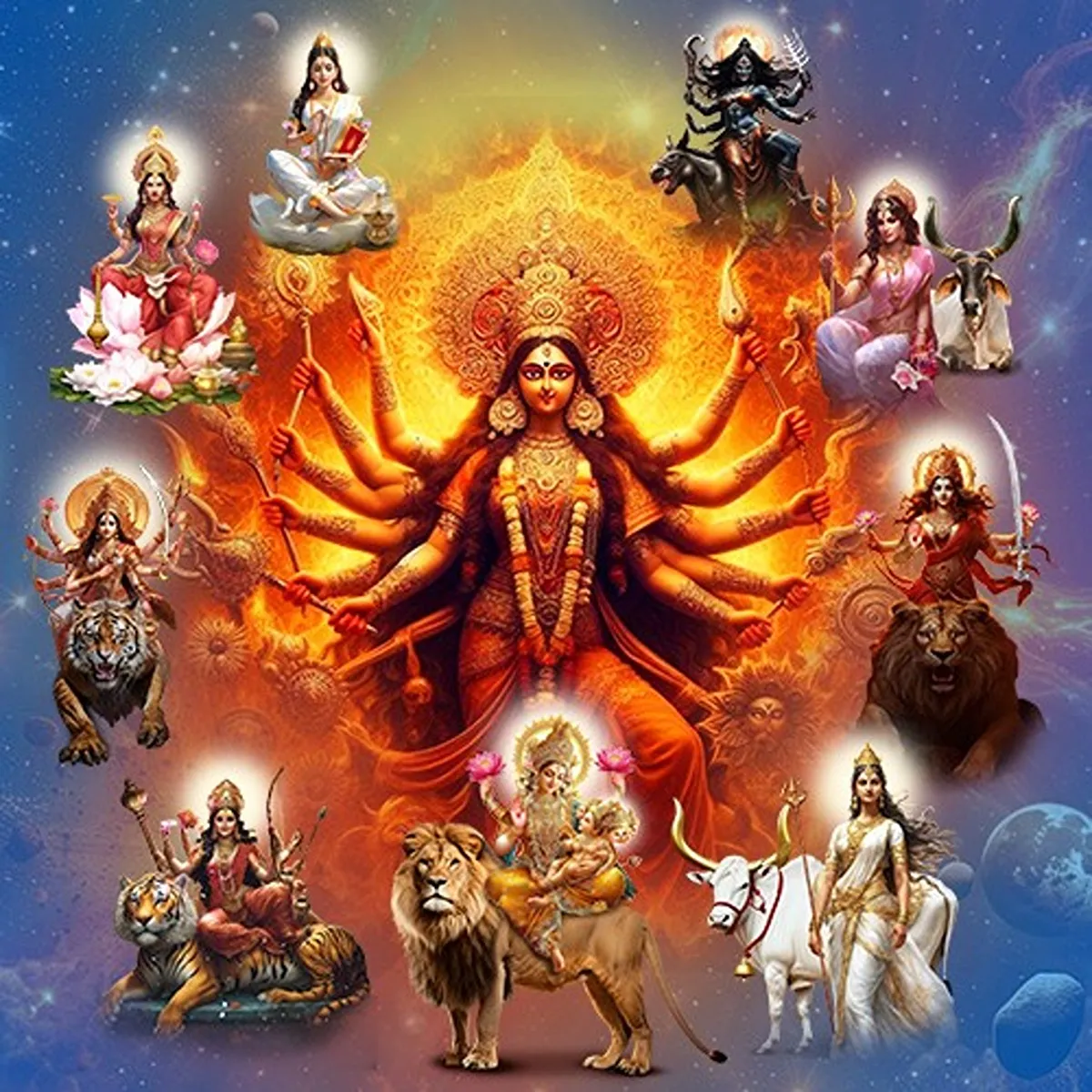
The opening section pays homage to Lord Ram as a symbol of truth, discipline, and compassion. It emphasizes his role as a guiding force for those seeking ethical clarity and spiritual growth. The verses consistently portray Ram as a figure who balances शक्ति (strength) with करुणा (compassion), making him an ideal role model for individuals across all walks of life.
Focus on Inner Growth and Human Values
A significant aspect of the stotra is its focus on personal development through spiritual reflection. It highlights the importance of remembering Lord Ram as a source of peace and happiness, capable of alleviating sorrow and restoring inner balance. The composition encourages qualities such as humility, gratitude, patience, and empathy.
Several verses specifically address the चार पुरुषार्थ—dharma, artha, kama, and moksha—stating that true devotion to Lord Ram can help individuals achieve these life goals in a balanced manner. The stotra also underscores the importance of सत्यनिष्ठा (truthfulness) and self-discipline, urging devotees to remain steadfast even in challenging circumstances.
Lessons from Ram’s Life and Character
Drawing inspiration from key moments in Lord Ram’s life, the stotra reflects on his unwavering commitment to duty, even during exile and personal loss. It presents his resilience as a lesson in maintaining moral integrity despite adversity. His interactions with devotees like Shabari, Nishadraj, Sugriv, and Vibhishan are highlighted to showcase inclusivity and compassion toward all sections of society.
The text also emphasizes gratitude as a core virtue, noting how even the smallest acts of kindness are remembered and valued by Lord Ram. This theme is presented as an essential quality for cultivating meaningful human relationships.
Emphasis on Spiritual Discipline and Social Harmony
Another key theme in the composition is the importance of controlling negative emotions such as anger, greed, and attachment. The stotra encourages individuals to follow a path of righteousness through disciplined thoughts, speech, and actions.
In its later sections, the stotra expands its vision beyond individual growth to societal well-being. It describes the concept of Ram Rajya as a state where justice, fearlessness, and compassion prevail. The idea is presented not just as a political ideal but as a model for families, communities, and personal conduct.
A Prayer for Peace and Fulfillment
The concluding verses offer prayers for universal happiness, inner purity, and spiritual fulfillment. Devotees are encouraged to chant the name of Lord Ram as a means of attaining peace and clarity. The stotra suggests that regular recitation can help reduce suffering and bring about a sense of contentment.
It also includes a note of humility from the composer, attributing the creation entirely to divine grace and offering it as a devotional submission. The composition is said to have been completed on the auspicious occasion of Ram Navami, adding to its spiritual significance.