RiverGanga – Sacred Origins and Legends Behind India’s Holiest River
RiverGanga – The festival of Ganga Saptami holds a special place in Hindu tradition, marking the day when the sacred river is believed to have descended from the heavens into the locks of Lord Shiva. Celebrated on the seventh day of the bright fortnight in the month of Vaishakh, the occasion is dedicated to honoring the spiritual and life-giving significance of the Ganga. While Ganga Jayanti commemorates her birth, Ganga Dussehra marks her arrival on Earth. Together, these observances reflect the enduring cultural and religious importance of the river.
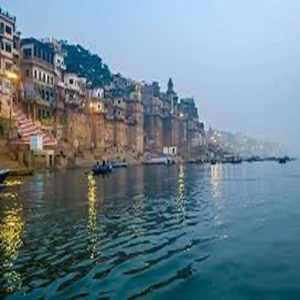
Understanding the Divine Identity of Ganga
In Indian belief systems, rivers are not merely water bodies but are revered as divine entities. The Ganga, in particular, symbolizes purity, sustenance, and spiritual liberation. This dual identity—as both a physical river and a goddess—stems from the idea that water is essential for life and is therefore sacred. Naming rivers after deities reflects the deep connection between nature and spirituality in Indian culture.
Multiple Narratives of Ganga’s Origin
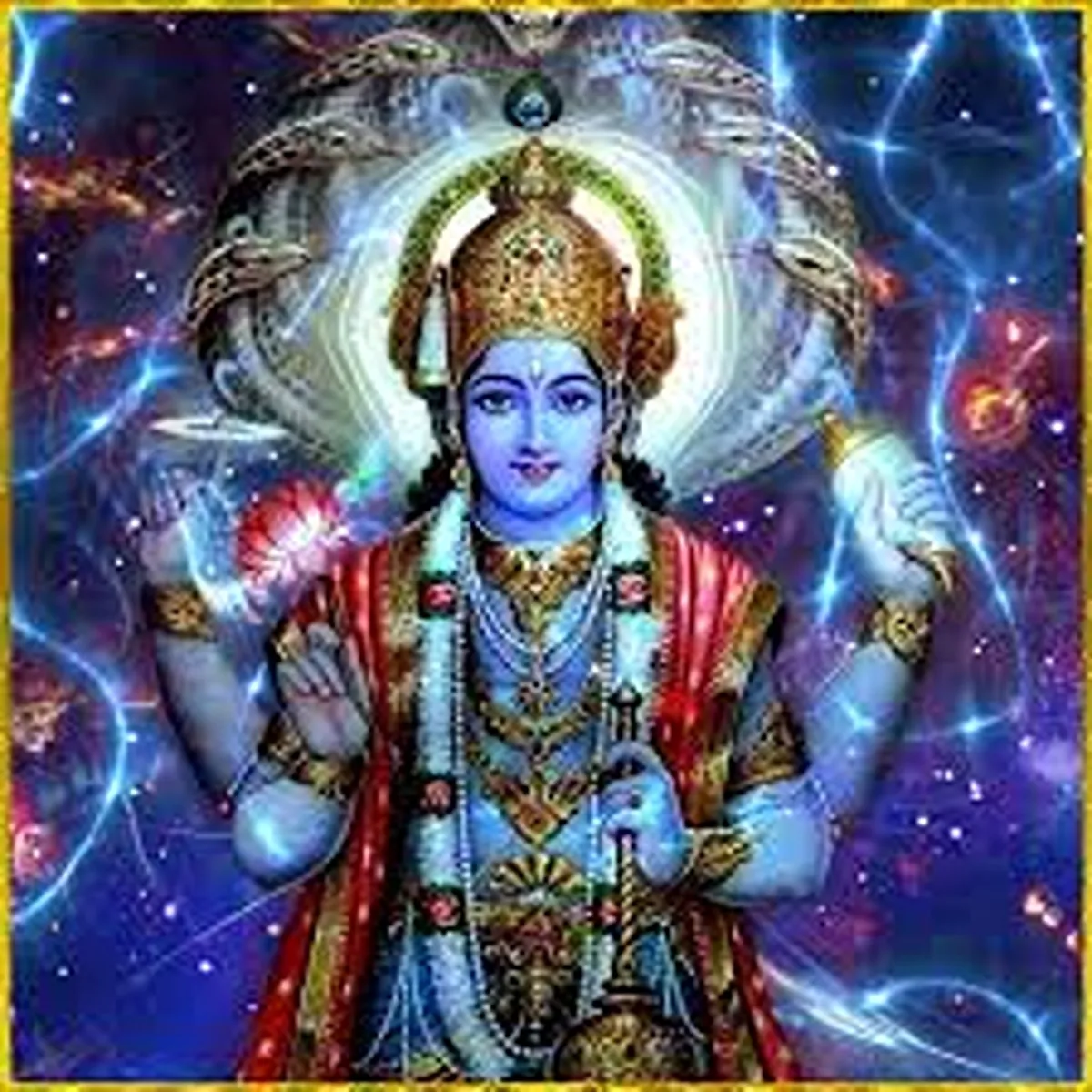
Ancient scriptures offer several accounts of how the Ganga came into existence. One widely known belief describes her as the daughter of the Himalayas, making her the sister of Goddess Parvati. Another narrative suggests that she emerged from Lord Brahma’s sacred vessel. In yet another version, Lord Vishnu’s feet were washed by Brahma, and the collected water gave rise to the Ganga, earning her the name Vishnupadi.
Some texts also associate her birth with sage Jahnu, leading to the name Jahnavi. These varied accounts highlight the symbolic richness of the river’s origin and its connection to different divine forces.
The Story of King Bhagirath’s Penance
One of the most prominent legends linked to the Ganga is the story of King Bhagirath. Determined to bring the river from heaven to Earth to liberate his ancestors, Bhagirath undertook intense penance. Pleased with his devotion, Lord Brahma agreed to release the Ganga but warned that her powerful descent could overwhelm the Earth.
To manage her force, Bhagirath sought the help of Lord Shiva, who captured the river in his matted hair, gradually releasing her flow. This act not only made the descent possible but also reinforced Shiva’s role as a protector. The story symbolizes perseverance, devotion, and the balance between natural power and divine intervention.
Ganga’s Place in Divine Relationships
Mythological texts also describe Ganga’s connections with other deities. She is sometimes regarded as a consort of Lord Shiva, residing in his hair, which signifies her elevated status. In certain traditions, she is also linked to the birth of Kartikeya, further deepening her role within divine narratives.
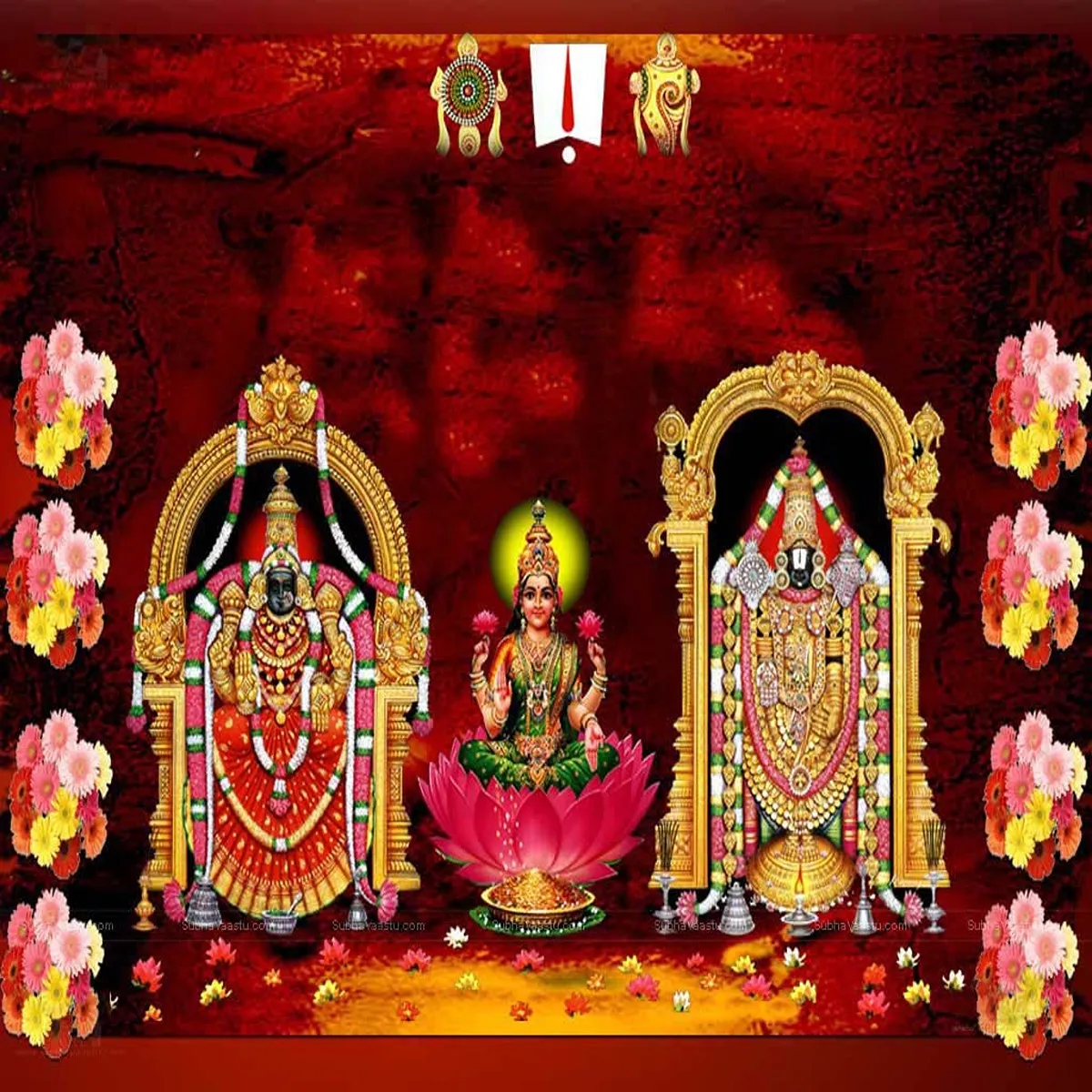
Additionally, some scriptures suggest that Ganga, along with Lakshmi and Saraswati, was associated with Lord Vishnu. Due to differences among them, Ganga was later entrusted to Shiva, while Saraswati became associated with Brahma. These stories reflect the interconnected nature of divine relationships in Hindu mythology.
The Tale of King Shantanu and Ganga
Another significant legend involves King Shantanu and Ganga. In a previous life, Shantanu was King Mahabhisha, who was cursed by Brahma for his attraction toward Ganga. Both were reborn on Earth, where Ganga appeared as the daughter of sage Jahnu.
When King Shantanu encountered her, he was captivated and married her under certain conditions. Ganga gave birth to eight sons, seven of whom she immersed in the river, fulfilling a divine purpose. The eighth child, Devavrata, survived and later became known as Bhishma, a central figure in the Mahabharata.
Cultural and Spiritual Significance Today
These stories, passed down through generations, continue to shape the way people view and worship the Ganga. Beyond mythology, the river remains a vital source of water, livelihood, and spiritual solace for millions. Festivals like Ganga Saptami serve as reminders of the deep bond between nature, faith, and tradition in Indian society.