VaruthiniEkadashi – Significance of Varaha Avatar and Sacred Observances Explained
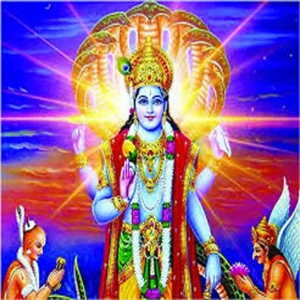
VaruthiniEkadashi – Varuthini Ekadashi, observed on April 30 this year, holds a special place in Hindu religious traditions. It is dedicated to Lord Vishnu’s Varaha incarnation, which is regarded as his third avatar among the ten principal forms. Ancient scriptures, particularly the Padma Purana, emphasize that worshipping this form of Vishnu on this day is considered highly auspicious. Devotees also believe that listening to or reciting the story associated with this avatar brings spiritual merit and blessings.
Mythological Background of the Divine Curse
According to traditional accounts, the story begins in Vaikuntha, the celestial abode of Lord Vishnu. Two gatekeepers, Jaya and Vijaya, once prevented the revered Saptarishis from entering. Angered by this act, the sages cursed them to be born on Earth as demons for three lifetimes. In their first birth, they were born as Hiranyakashipu and Hiranyaksha, sons of sage Kashyapa and Diti.
Both brothers became powerful and began troubling people across the Earth. Their actions disrupted religious practices, and Hiranyaksha in particular created chaos by opposing sacred rituals and tormenting devotees. As their influence grew, the balance of order and righteousness began to weaken.
Events Leading to the Varaha Incarnation
The turning point in the story came when Hiranyaksha, driven by arrogance, reached the realm of Varuna, the god of the oceans. There, he challenged Varuna to a battle. Varuna, however, declined, stating that he was no longer capable of fighting a warrior of such strength and suggested that Hiranyaksha should instead confront Lord Vishnu.
Following this, the gods sought help from Brahma and Vishnu to end the growing threat. It is believed that during this time, Brahma meditated deeply upon Vishnu. From this divine concentration, Lord Vishnu manifested in the form of Varaha, a powerful boar incarnation, emerging from Brahma’s nostril. This marked the beginning of the Varaha avatar’s role in restoring cosmic balance.
The Battle and Restoration of Earth
Hiranyaksha, upon learning from sage Narada about Vishnu’s new form, immediately set out to confront him. At that time, Lord Varaha was engaged in rescuing the Earth, which had been submerged in the cosmic ocean by Hiranyaksha himself.
When Hiranyaksha reached the scene, he saw Varaha lifting the Earth. Enraged, he challenged the divine form to a fierce battle. What followed was an intense and prolonged conflict. Ultimately, Lord Vishnu, in his Varaha form, defeated Hiranyaksha using his immense strength. The demon was slain, and the Earth was safely restored to its rightful position.
This event symbolizes the triumph of good over evil and the restoration of balance in the universe, which remains a central theme in Hindu philosophy.
Religious Importance of Varuthini Ekadashi
Varuthini Ekadashi is not just a day of fasting but also a time for reflection and devotion. Devotees observe rituals, offer prayers, and seek forgiveness for past actions. It is believed that observing this Ekadashi helps individuals overcome obstacles and brings prosperity and protection.
The day is also associated with spiritual discipline, where people engage in chanting, reading sacred texts, and participating in charitable acts. Worship of Lord Vishnu, especially in his Varaha form, is considered particularly beneficial on this occasion.
Observance and Devotional Practices
On this day, devotees typically begin with early morning rituals, followed by fasting and prayers. Reading or listening to the Varaha avatar story is regarded as a meaningful practice. Many also visit temples dedicated to Lord Vishnu or perform rituals at home.
The observance concludes the next day after breaking the fast, following traditional guidelines. The emphasis remains on devotion, purity, and maintaining a disciplined lifestyle throughout the period.
Varuthini Ekadashi continues to be a significant spiritual occasion, reminding devotees of divine intervention in times of crisis and the enduring importance of righteousness.