Spirituality – Skandamata Worship Significance on Fifth Day of Navratri
Spirituality – The fifth day of Navratri is dedicated to Goddess Skandamata, a revered form of the divine feminine believed to nurture wisdom and inner transformation among devotees. Worshipped with deep devotion, she is known for guiding individuals toward clarity, knowledge, and spiritual strength. According to traditional beliefs, even those lacking understanding are blessed with wisdom through her grace.
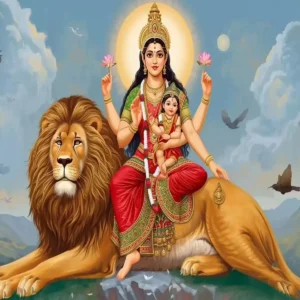
Origin and Divine Representation of Skandamata
Goddess Skandamata derives her name from her son, Lord Kartikeya, also known as Skanda, who is regarded as the commander of the celestial army. In her divine form, she is depicted holding young Skanda in her lap, symbolizing maternal care combined with divine power. This unique representation highlights both her nurturing and protective aspects, making her an important deity during the Navratri celebrations.
She is often portrayed with four arms, each carrying symbolic meaning. One of her right hands supports Lord Skanda, while the other holds a lotus flower. On the left side, one hand remains in a gesture of blessing, and the other also carries a lotus. Her serene white complexion signifies purity and peace, while her seated posture on a lotus flower gives her the name Padmasana. The lion, her vehicle, represents courage and strength.
Spiritual Importance and Worship Practices
Scriptures emphasize the importance of Skandamata’s worship, especially on the fifth day of Navratri. Devotees believe that sincere prayers offered to her can fulfill desires and lead to spiritual liberation. Her association with the Sun is considered significant, as it is believed that her followers develop a radiant aura and inner brilliance through her blessings.
Worship rituals typically involve maintaining a calm and focused mind. Devotees are encouraged to approach her with purity of thought and dedication. This disciplined form of devotion is said to help individuals overcome worldly challenges and move closer to spiritual freedom.
Path to Liberation and Inner Strength
Skandamata is regarded as a guiding force for those seeking liberation from the cycle of life and rebirth. Her blessings are believed to make the path toward moksha more accessible. Followers often describe a sense of mental clarity and emotional balance after engaging in her worship, which is seen as essential for spiritual growth.
She is also associated with the creation of awareness and consciousness, nurturing both intellectual and moral development. This makes her particularly significant for those pursuing knowledge and self-improvement.
Influence on Knowledge and Cultural Legacy
Ancient traditions often connect Skandamata’s blessings with intellectual achievements. It is widely believed that great literary works, including classical Sanskrit compositions, were created with her divine inspiration. Such beliefs reinforce her image as a source of wisdom and creative energy.
Her role extends beyond mythology into cultural and spiritual practices that continue to influence millions. During Navratri, temples and households alike honor her through prayers, offerings, and devotional songs, reflecting her enduring significance in Indian spiritual life.
Enduring Relevance in Modern Devotion
Even in contemporary times, Skandamata’s worship remains deeply meaningful. For many, she represents the balance between strength and compassion, guiding individuals through both personal and spiritual challenges. Her symbolism encourages devotees to cultivate patience, courage, and wisdom in their daily lives.
As Navratri continues to be celebrated with enthusiasm across regions, the fifth day dedicated to Skandamata serves as a reminder of the transformative power of faith and devotion. Through her blessings, followers seek not only material well-being but also a deeper connection with their inner selves.