Health – Sheetala Mata Legend Explains Traditional Healing Practices and Ritual Discipline
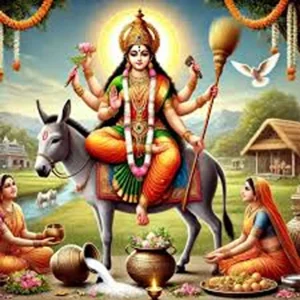
Health – Sheetala Mata, also known as Sheetala Devi, holds an important place in Hindu traditions, particularly as a associated with protection from infectious diseases. Devotees believe she safeguards people from illnesses such as smallpox and chickenpox. Worship of the goddess is usually performed with specific rituals and offerings, especially during festivals like Sheetala Ashtami, where simplicity and discipline form the core of devotion.
A Traditional Story Behind the Worship
According to a well-known legend recited during the Basoda festival, a king once faced distress when his only son fell ill with a severe outbreak resembling smallpox. Around the same time, a poor farmer’s child in the same kingdom also suffered from a similar illness. Despite limited means, the farmer’s family followed strict religious and hygiene practices. They maintained cleanliness, avoided salty and spicy food, and refrained from cooking hot or fried items. The child was given simple, cooled food, and proper care was ensured throughout the illness.
Over time, the farmer’s son gradually recovered, surprising many in the kingdom.
Contrasting Approaches in the Royal Household
In contrast, the king arranged elaborate rituals and continuous prayers for his son’s recovery. Religious ceremonies, including recitations and fire rituals, were performed daily. However, the royal kitchen continued preparing rich, hot meals with strong aromas, including meat dishes. The prince, tempted by the food, often insisted on eating these items.
As a result, his condition worsened instead of improving. Painful boils increased, along with irritation and discomfort. Despite the king’s continued efforts through rituals, there was no relief in the prince’s illness.
Realization Through Divine Guidance
Perplexed by the situation, the king eventually learned about the recovery of the farmer’s son. This led him to question why his own efforts were failing despite greater resources and devotion. One night, he is said to have received guidance in a dream, where the goddess appeared and explained the situation.
The message emphasized that while devotion was appreciated, certain essential practices had been ignored. The use of salt aggravated the condition, while the smell of rich food increased the patient’s discomfort. The goddess advised maintaining a simple diet, avoiding spices and hot meals, and ensuring isolation to prevent the spread of illness.
Change in Practice and Recovery
Following this guidance, the king immediately altered the household practices. Meals were simplified, salt was removed, and proper care measures were introduced. Gradually, the prince’s health began to improve, and he eventually recovered.
This story highlights the importance of discipline, hygiene, and mindful care during illness, which are reflected in traditional practices associated with Sheetala Mata worship.
Ritual Significance and Observances
Devotees believe that observing these customs with sincerity brings protection from diseases and promotes overall well-being. On the day dedicated to Sheetala Mata, people prepare food a day in advance and consume it cold, symbolizing the avoidance of heat and irritation.
In addition, prayers and chants are recited to seek blessings. Commonly recited mantras include “Om Hreem Shreem Sheetalayai Namah,” along with other traditional verses praising the goddess.
Cultural and Health Perspective
While rooted in religious belief, many aspects of these traditions align with basic health principles such as cleanliness, dietary control, and isolation during contagious illnesses. Over time, these practices have been passed down as part of cultural wisdom, blending faith with practical care.
The legend continues to be shared across generations, reminding devotees of the value of balanced devotion and thoughtful action in times of illness.