Pilgrimage – Pandharpur Temple Traditions Rooted in Devotion and History
Pilgrimage – In Maharashtra’s town of Pandharpur stands a revered temple dedicated to Lord Krishna, worshipped here in the form of Vitthoba. Known widely as the Vitthal-Rukmini Temple, it holds deep spiritual importance for devotees across India. Every year, thousands gather at this sacred site to participate in religious festivals held multiple times annually, celebrating the divine presence of Vitthoba, considered an incarnation of Lord Vishnu, along with his consort Rukmini.
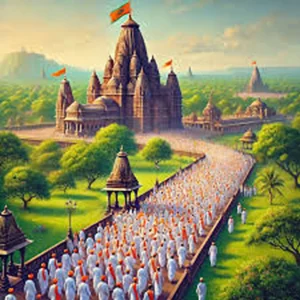
Origins Linked to Saint Pundalik’s Devotion
Historical accounts trace the temple’s roots back to the 6th century and the life of Saint Pundalik, a figure remembered for his transformation into an ideal devotee. Initially, Pundalik is believed to have neglected both his parents and spiritual practices. However, a profound change of heart led him to dedicate himself entirely to serving his parents while continuing his devotion to Lord Krishna.
A Divine Visit at the Doorstep
According to traditional narratives, Pundalik’s sincere devotion moved Lord Krishna, who is said to have appeared at his doorstep accompanied by Goddess Rukmini. At that moment, Pundalik was attending to his father, gently pressing his feet while ensuring his comfort. With his father resting, Pundalik chose not to interrupt his service.
When the divine visitors called out to him, he respectfully requested them to wait until morning, as he could not leave his father unattended. He is said to have placed a brick outside and asked them to stand upon it while they waited. This moment is considered a powerful example of prioritizing duty towards one’s parents even in the presence of the divine.
The Significance of the Vitthoba Form
Honoring the devotee’s request, Lord Krishna is believed to have stood on the brick with his hands placed on his waist, patiently waiting. This distinctive posture became symbolic, and over time, the deity came to be known as Vitthal or Vitthoba. The name itself is linked to the word for brick in the regional language, reinforcing the story’s cultural roots.
Emergence of a Sacred Pilgrimage Town
By the time Pundalik turned his attention to the doorway, the divine presence had transformed into a sacred idol. He then enshrined this form within his home, marking the origin of what would later become one of Maharashtra’s most prominent pilgrimage destinations. The town came to be known as Pundalikpur, eventually evolving into Pandharpur.
Continuing Traditions and Annual Gatherings
Pandharpur today is closely associated with the Warkari tradition, a devotional movement that emphasizes equality, humility, and collective worship of Vitthoba. Saint Pundalik is regarded as a foundational figure in this tradition. A memorial dedicated to him stands in the town, drawing visitors who seek to connect with his legacy.
Each year, large gatherings and fairs are organized to commemorate the events associated with Pundalik and the divine manifestation of Vitthoba. These occasions bring together devotees from different regions, reinforcing the temple’s role as a center of faith and cultural continuity.