KrishnaBhakti – Yashoda Jayanti Celebrates the Eternal Bond of Motherhood
KrishnaBhakti – Yashoda Jayanti is being observed this year on March 1, honoring the woman remembered in Hindu scriptures as the foster mother of Lord Krishna and a symbol of unconditional maternal love.
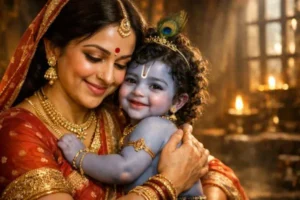
According to the Hindu calendar, Yashoda Jayanti falls on the sixth day of Krishna Paksha during the month of Phalguna. The occasion is dedicated to Mother Yashoda, who raised Lord Krishna in Gokul after his birth in Mathura. Devotees across different parts of India remember her devotion, sacrifice, and deep affection toward Krishna through prayers and religious observances.
The Story Behind Yashoda Jayanti
Ancient Hindu scriptures describe Yashoda as the wife of Nanda Maharaj, the chief of Gokul. Religious texts, especially the Bhagavata Purana, narrate that Lord Krishna was born to Devaki and Vasudeva inside the prison of King Kansa in Mathura. To protect the newborn child from Kansa, Vasudeva secretly carried Krishna across the Yamuna River during the night and left him in the care of Yashoda and Nanda in Gokul.
From that moment onward, Yashoda became the nurturing force behind Krishna’s childhood. Her role in his upbringing has been celebrated for centuries in devotional literature, songs, and temple traditions.
Childhood Tales of Lord Krishna
Several stories connected with Krishna’s childhood revolve around Yashoda’s affection and care. Hindu devotional texts and poets such as Surdas vividly portrayed moments including Krishna’s playful butter thefts, his mischievous acts among the villagers, and the famous episode where Yashoda tied him to a wooden mortar after becoming upset with his pranks.
Another well-known incident describes Yashoda witnessing the entire universe inside Krishna’s mouth when she asked him to open it. These stories continue to hold an important place in Indian spiritual culture and are often narrated during religious gatherings and festivals.
Connection With Balarama and Divine Blessings
Religious scriptures also mention that Yashoda played a major role in raising Balarama, the elder brother of Krishna and son of Rohini. Some traditions additionally refer to a daughter associated with Yashoda’s household.
According to mythological beliefs, Yashoda and Nanda were reborn on Earth after receiving blessings from Lord Brahma in a previous birth. It is believed they prayed for unwavering devotion toward Lord Krishna, and their wish was fulfilled through their life in Braj.
Celebrations in Gokul and Braj
Texts describing Krishna’s birth and early years mention that the entire region of Braj celebrated with joy after the arrival of the child in Nanda’s home. Rituals, music, and charitable donations became part of the festivities. Nanda Maharaj is said to have distributed gifts generously among villagers and visitors.
The stories further narrate how Yashoda lovingly cared for the infant Krishna, feeding and protecting him as any mother would. Her maternal affection remains one of the strongest emotional themes associated with Krishna worship.
Encounters With Demons Sent by Kansa
Many legendary episodes connected to Krishna’s childhood also involve dangers sent by King Kansa. One such story is that of Putana, who arrived disguised as a village woman and attempted to harm Krishna using poisoned milk. According to mythology, Krishna defeated her despite being an infant.
Another popular narrative speaks about Shakatasura, a demon who tried to attack Krishna by entering a cart. Scriptures describe how the young Krishna overturned the cart, ending the threat.
Krishna’s Departure From Gokul
As Krishna grew older, he performed several divine acts including Govardhan lifting, Kaliya serpent defeat, and Raas Leela, all of which brought immense joy to the people of Braj and especially to Mother Yashoda.
However, the emotional turning point came when Akrura arrived to take Krishna to Mathura. Mythological accounts describe Yashoda’s deep sorrow at the thought of separation from her beloved son. Later traditions mention that her grief eased only after reuniting with Krishna at Kurukshetra.
Even today, Yashoda is remembered not only as Krishna’s foster mother but also as a timeless representation of love, devotion, and motherhood in Hindu tradition.