HanumanJayanti – Bada Mangal 2026 Celebrations Begin With Deep Spiritual Significance
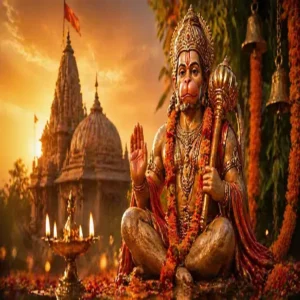
HanumanJayanti – The sacred observance of Bada Mangal, one of the most revered occasions dedicated to Lord Hanuman, began on May 5, 2026, and will continue until June 23, 2026. Celebrated during the Jyeshtha month of the Hindu calendar, the festival holds immense religious importance among devotees across North India, especially in Uttar Pradesh. The series of Tuesdays observed during this period are associated with devotion, humility, courage, and service to humanity.
Ancient Traditions Linked to Bada Mangal
According to Hindu beliefs, Bada Mangal is deeply connected with events described in both the Ramayana and the Mahabharata. The observance is not limited to worship alone but also symbolizes the triumph of righteousness over pride and ego. Devotees believe that prayers offered on these Tuesdays bring strength, protection, and peace.
The First Meeting of Lord Ram and Hanuman
One of the most significant legends associated with Bada Mangal relates to the first meeting between Lord Ram and Lord Hanuman. Religious scriptures mention that during the search for Goddess Sita, Lord Hanuman approached Ram and Lakshman in the guise of a Brahmin. This divine encounter is believed to have taken place on a Tuesday in the Jyeshtha month. Since then, devotees have considered this day especially auspicious for worshipping both Lord Ram and Hanuman together.
Mahabharata Story Behind ‘Budhwa Mangal’
Another popular belief connected to the festival comes from the Mahabharata era. The story revolves around Bhima, one of the Pandava brothers, who became proud of his immense physical strength. To teach him a lesson in humility, Lord Hanuman appeared before him in the form of an elderly monkey resting on a forest path.
When Bhima asked the old monkey to move aside, Hanuman requested him to shift his tail instead. Despite using all his strength, Bhima could not move the tail even slightly. Realizing the divine presence before him, he apologized with folded hands. Hanuman then revealed his true form and blessed him. Because Hanuman appeared in an aged form, the occasion later became known as ‘Budhwa Mangal’.
Hanuman’s Mighty Form in Lanka
Another widely narrated episode from the Ramayana is also linked to this sacred Tuesday observance. When Lord Hanuman reached Lanka to deliver Lord Ram’s message to Goddess Sita, Ravana reportedly mocked him and underestimated his power. In response, Hanuman assumed his gigantic form and demonstrated his unmatched strength by setting the golden city of Lanka ablaze with his tail.
This event is remembered as a symbol of divine courage and the destruction of arrogance. Many devotees believe this incident also occurred during a Tuesday in the Jyeshtha month, adding to the spiritual importance of Bada Mangal.
Special Rituals and Community Service
On Bada Mangal, devotees wake up early, take a holy bath, and visit Hanuman temples to offer prayers. Applying sacred vermilion, offering jasmine oil, laddoos, and boondi are considered traditional forms of worship. Hanuman Chalisa recitations and Sundarkand readings are also organized in homes and temples.
Apart from rituals, community service forms an important part of the celebration. Across many cities, large food distribution camps and water stalls are arranged for travelers and needy people during the summer heat. Serving drinking water and helping others are viewed as acts of great spiritual merit on this occasion.
Message of Faith and Humility
Religious scholars often describe Bada Mangal as more than a ritual festival. The occasion reminds devotees that true strength becomes meaningful only when combined with humility, devotion, and compassion. Through the stories connected to Lord Hanuman, the festival continues to inspire people toward selfless service and unwavering faith.