Temple – Sacred Tirupati Balaji Traditions and Legends Explained Clearly
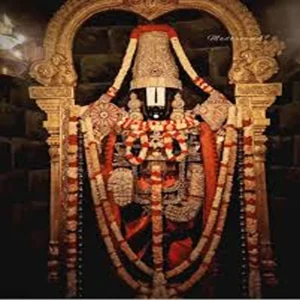
Temple – The revered Tirupati Balaji temple, located in Andhra Pradesh’s Chittoor district, stands atop the Tirumala hills and is among the most visited pilgrimage sites in the world. Here, Lord Vishnu is worshipped in the form of Venkateswara, believed to reside with Goddess Padmavati. Over centuries, the temple has been associated with several deeply rooted legends that explain its origin and the unique practices followed by devotees.
Ancient Beliefs About the Earth’s Restoration
One of the earliest legends traces back to a time when the earth was submerged in water. According to traditional belief, powerful cosmic disturbances led to heavy rainfall, leaving no land visible. To restore balance, Lord Vishnu is said to have taken the Varaha avatar, lifting the earth from the depths using his tusks.
After bringing stability back to the world, he is believed to have settled on the sacred hills, offering knowledge and blessings to humanity. This event is considered one of the earliest divine connections associated with the Tirumala region.
Story of Sage Bhrigu and Divine Patience
Another well-known tale begins during the early phase of Kaliyuga, when sages debated which among the trinity deserved the fruits of their rituals. Sage Bhrigu was chosen to test them. When he approached Lord Vishnu, the deity did not react immediately, which angered the sage. In frustration, Bhrigu struck Vishnu on the chest.
Instead of reacting with anger, Vishnu calmly tended to the sage’s foot, showing humility and compassion. This act convinced the sages that Vishnu was the most deserving of their devotion. However, Goddess Lakshmi felt deeply hurt by the insult and chose to leave Vaikuntha, descending to earth to meditate.
Separation and Reunion of Vishnu and Lakshmi
Distressed by Lakshmi’s departure, Lord Vishnu followed her to earth in search of reconciliation. After wandering through forests and hills, he is believed to have taken shelter in Tirumala. Meanwhile, divine intervention ensured that he was cared for, even as events unfolded leading to his union with Padmavati, considered an incarnation of Lakshmi.
According to tradition, their eventual reunion symbolized balance and harmony. It is believed that the divine presence at Tirupati reflects both Vishnu and Lakshmi together, which is why certain rituals at the temple incorporate elements representing both masculine and feminine aspects.
Unique Temple Traditions and Ritual Practices
One of the distinctive practices at Tirupati is the way the deity is adorned. The idol is dressed in a manner that reflects both male and female symbolism, acknowledging the presence of Goddess Lakshmi alongside Lord Venkateswara. Devotees consider this a powerful representation of divine unity.
Daily rituals at the temple are performed with great precision, maintaining traditions that have been followed for generations. The temple administration ensures that every offering and ceremony aligns with long-standing customs.
The Significance of Hair Donation by Devotees
A practice that draws widespread attention is the offering of hair by devotees. This act is not merely symbolic but is deeply tied to a legend involving Lord Venkateswara and Kubera, the god of wealth.
As per belief, during his marriage to Padmavati, Lord Venkateswara borrowed wealth from Kubera to meet ceremonial obligations. He is said to have promised repayment over time. Devotees, in turn, offer their hair as a gesture of support in fulfilling this divine debt.
It is widely believed that those who contribute in this way are blessed with prosperity, as Goddess Lakshmi is said to reward their devotion generously. For many pilgrims, this act represents humility, sacrifice, and faith.
Continuing Faith Across Generations
The traditions of Tirupati Balaji continue to inspire millions of devotees who visit the temple each year. The stories associated with the temple are not just mythological accounts but are deeply woven into the spiritual practices of the region.
For pilgrims, the journey to Tirumala is more than a visit; it is an experience shaped by faith, discipline, and cultural heritage. The temple remains a powerful symbol of devotion, reflecting India’s enduring spiritual legacy.