Festivals – Cheti Chand Celebration Reflects Sindhi Faith and Cultural Unity
Festivals – The Sindhi community across India and several other countries celebrates Cheti Chand as the beginning of the Sindhi New Year. The festival is observed on the second day of the Shukla Paksha in the Chaitra month and is also dedicated to the birth anniversary of Lord Jhulelal, who is regarded as a symbol of faith, harmony, and devotion among Sindhis. The occasion carries deep cultural and religious significance and is marked with prayers, processions, devotional songs, and traditional gatherings.
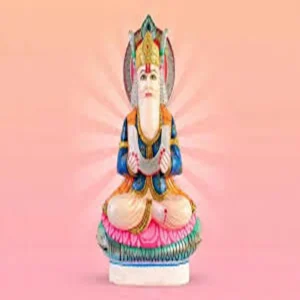
Story Linked to Lord Jhulelal
Ancient beliefs and community traditions describe Lord Jhulelal as a divine protector who appeared during a difficult period in the Sindh region many centuries ago. According to folklore, a ruler named Mirkh Shah governed the area with cruelty and intolerance. People living under his rule were troubled by injustice and feared for their safety and traditions.
Historical narratives within the Sindhi community say that the suffering people gathered on the banks of the Sindhu River and prayed for relief. It is believed that their prayers were answered when a divine message assured them that a child would soon be born to restore peace and protect the people from oppression.
Birth of Udaychand
Community traditions mention that in Nasarpur, a child was born to Thakur Ratanrai and Mata Devaki on Chaitra Shukla Dwitiya in Vikram Samvat 1007. The child was named Udaychand and was later worshipped as Jhulelal. Devotees believe the child possessed extraordinary spiritual powers from birth.
Stories connected with Jhulelal state that when Mirkh Shah learned about the child, he became worried about the prediction regarding his downfall. The ruler reportedly ordered his soldiers to capture the child. However, the soldiers are said to have witnessed a divine form seated on a throne, leaving them frightened and unable to proceed. They later informed the ruler about the unusual event.
Message of Peace and Equality
As Udaychand grew older, he became respected among the people for his wisdom and courage. Religious accounts describe him as a spiritual guide who encouraged people to live without fear and continue following truth and righteousness.
Traditions further say that he sent a message to Mirkh Shah explaining that peace and mutual respect were the highest values in society. A conflict eventually arose between the ruler and Jhulelal’s followers, but the ruler later accepted defeat and sought forgiveness. Devotional stories claim that this transformation changed Mirkh Shah’s attitude, and he eventually became a follower of Jhulelal’s teachings.
The teachings associated with Lord Jhulelal continue to promote unity, compassion, and respect for all religions. Many followers consider him a symbol of communal harmony and social balance.
Cheti Chand Celebrations Around the World
Cheti Chand is celebrated with enthusiasm by Sindhi families in different parts of the world. Temples and community centers organize religious programs, cultural performances, and charity activities on the occasion. Devotees sing bhajans and perform traditional dances as part of the celebrations.
Lord Jhulelal is worshipped under several names, including Uderolal, Lal Sai, Amar Lal, and Jinda Pir. Devotees believe he represents both water and divine light. Because of this belief, a symbolic structure carrying a lamp and water vessel is prepared during the festival. This sacred arrangement, known as Bahrana Sahib, is carried in processions while devotees offer prayers to Varun Dev and sing devotional songs.
Festival Strengthens Community Bonds
For the Sindhi community, Cheti Chand is not only a religious festival but also an occasion that strengthens social unity and cultural identity. Families gather to celebrate their traditions, share festive meals, and remember the spiritual teachings connected to Lord Jhulelal.
Community leaders often describe the festival as a reminder of harmony and coexistence. The celebrations continue to preserve centuries-old traditions while also connecting younger generations with their heritage and beliefs.