DevnarayanJayanti – Legacy of a Revered Folk Deity Remembered Across Rajasthan
DevnarayanJayanti – Lord Devnarayan holds a special place in the cultural and spiritual traditions of Rajasthan. Revered by millions of devotees, especially within the Gurjar community, he is remembered not only as a respected folk deity but also as a symbol of justice, courage, and public welfare. As devotees prepare to observe his birth anniversary on January 24, 2026 (Magh Shukla Shashthi), his life story continues to inspire people across generations.
Birth in a Celebrated Warrior Lineage
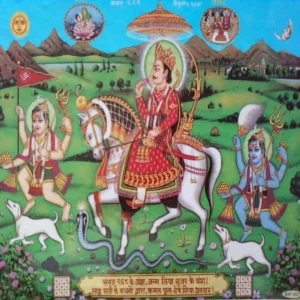
According to traditional accounts, Lord Devnarayan was born in Malaseri, Rajasthan, to King Sawai Bhoj and Mata Sadhu Khatani of the distinguished Bagdawat lineage. The family was known for its influence, bravery, and commitment to protecting its people. Historical narratives associated with the region describe the Bagdawat clan as a respected warrior house whose reputation extended across several parts of Rajasthan. Devnarayan is widely believed by devotees to be an incarnation of Lord Vishnu, who appeared on earth to uphold righteousness and support those facing injustice.
Early Years Shaped by Learning and Spiritual Discipline
Following threats and political rivalries that surrounded the royal family, Mata Sadhu is said to have moved to her parental home in Dewas, located in present-day Madhya Pradesh. It was there that Devnarayan spent much of his childhood and formative years. Alongside learning horse riding and martial skills, he is believed to have devoted significant time to spiritual practices. Traditional stories mention that he performed intense meditation near Siddhawat on the banks of the sacred Shipra River in Ujjain. These experiences are considered central to his transformation from a young prince into a revered spiritual figure.
Miracles Preserved in Folk Traditions
Many legends connected to Lord Devnarayan highlight extraordinary events that strengthened public faith in him. Folk narratives state that he used divine powers to heal and protect people in need. One of the most frequently narrated stories describes how he restored the health of Princess Pipalde, who later became his wife.
Other traditional accounts credit him with bringing water to dry riverbeds during difficult times and performing remarkable acts that demonstrated compassion and spiritual strength. Several ballads and oral traditions also recount instances where he revived individuals believed to have died, reinforcing his status as a revered divine figure in regional folklore.
The Enduring Legacy of Devnarayan Ki Phad
The story of Lord Devnarayan remains deeply embedded in Rajasthan’s cultural heritage through the famous “Devnarayan Ki Phad.” This unique storytelling tradition combines painted scroll art with folk singing and narration. The epic narrative, often referred to as the Bagdawat Mahabharat, preserves generations of oral history and cultural memory.
Its scale is considered extraordinary among folk traditions. Performers who narrate the complete saga through traditional recitations often require months to finish the entire account. The Phad tradition continues to attract scholars, artists, and devotees interested in Rajasthan’s rich cultural heritage.
Sacred Sites That Draw Thousands of Devotees
Several pilgrimage centers associated with Lord Devnarayan remain important destinations for devotees. The temple at Asind in Bhilwara district is regarded as one of the most significant spiritual sites connected to him. Visitors regularly offer traditional devotional food and prayers while seeking blessings.
Another major center of faith is Jodhpuriya in Tonk district, often referred to as Devdham. Throughout the year, large numbers of pilgrims visit the shrine to express gratitude and pray for prosperity and well-being. Religious gatherings held at these locations reflect the enduring influence of Lord Devnarayan’s teachings and legacy.
Traditional accounts further mention that Lord Devnarayan departed for the divine abode at the age of 31. Despite his relatively short life, his influence continues to be felt through folk traditions, religious practices, and the unwavering faith of countless devotees across Rajasthan and beyond.