Faith – Ancient Legend Explains How Hanuman Received His Sacred Name
Faith – Lord Hanuman is regarded as one of the most revered and powerful deities in Hindu tradition. Devotees believe that sincere prayers offered to him help remove obstacles, reduce fear, and bring strength during difficult times. In Hindu scriptures, Hanuman is also described as a divine protector whose blessings are considered especially effective in the present age, often referred to as Kalyug. Religious traditions further associate his worship with relief from the negative effects of Shani and various life challenges faced by devotees.
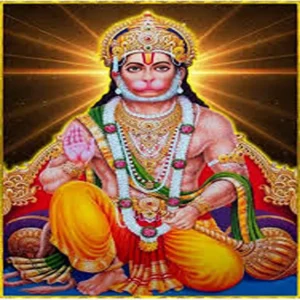
Childhood Story Linked to Hanuman’s Name
According to ancient mythological accounts, Hanuman was known as Maruti during his childhood. Legends describe him as a highly energetic and fearless child blessed with extraordinary powers from birth. One popular story from Hindu mythology explains how he eventually came to be known as Hanuman.
It is believed that one morning, young Maruti woke up feeling extremely hungry. As he looked around, he noticed what appeared to him to be a bright red fruit shining in the sky. Innocently assuming it to be something edible, the child leapt toward it with immense speed and determination. However, the glowing object was actually the Sun God, Surya Dev.
The Incident During Solar Eclipse
The event is said to have taken place on the day of Amavasya, when Rahu was approaching the Sun to create an eclipse according to mythological beliefs. Before Rahu could reach the Sun, young Maruti arrived first and swallowed Surya Dev, believing him to be a fruit. This sudden act reportedly disrupted the cosmic balance and left Rahu shocked and confused.
Mythological stories state that Rahu then approached Indra Dev, the king of the gods, seeking assistance. Indra is believed to have repeatedly requested the child to release the Sun. When those efforts failed, Indra used his divine weapon, the Vajra, to strike Maruti in order to free Surya Dev.
How the Name ‘Hanuman’ Emerged
The strike from Indra’s Vajra caused the child to fall unconscious onto the Earth. During the fall, his chin was reportedly injured and became distorted. Religious scholars often explain that the word “Hanu” in Sanskrit refers to the chin, and from this incident the name “Hanuman” became associated with him.
The story further says that Vayu Dev, the wind god and father of Hanuman, became deeply angered after witnessing what had happened to his son. In response, he stopped the movement of air across the world. As a result, living beings on Earth began suffering due to the absence of air and life energy.
Gods Bestowed Divine Blessings
To prevent widespread destruction, several gods and divine beings approached Vayu Dev and requested him to calm his anger. They assured him that the child would be restored safely. According to the legend, the gods revived Hanuman and blessed him with immense strength, wisdom, courage, and protection from various dangers.
These divine blessings are believed to be one of the reasons Hanuman later became one of the most respected figures in Hindu mythology. He is worshipped under many names, including Bajrangbali, Pavan Putra, Anjani Putra, and Ram Bhakt, each reflecting different aspects of his personality and devotion.
Even today, stories connected to Hanuman continue to hold deep spiritual and cultural importance among devotees, especially during Hanuman Jayanti and Tuesdays, which are widely associated with his worship.