Heritage – Guru Har Krishan Ji’s Legacy of Compassion and Service Remembered
Heritage – Guru Har Krishan Ji, the eighth Sikh Guru, is remembered with deep respect for his remarkable compassion, selfless service, and commitment to humanity despite his young age. On the occasion of his remembrance day, devotees across the world reflect on the values he promoted and the lasting impact he left on Sikh history.
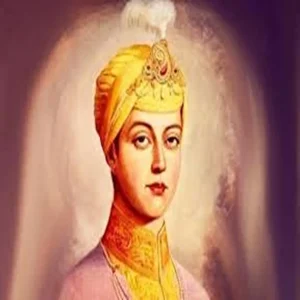
Early Life and Spiritual Leadership
Guru Har Krishan Ji was born in 1656 at Kiratpur Sahib and was the younger son of Guru Har Rai Ji, the seventh Sikh Guru. He assumed the responsibility of Sikh leadership at a very young age and served as Guru from 1661 to 1664. Although his time as Guru was brief, his influence on the Sikh community remains profound and enduring.
A Symbol of Compassion During Public Health Crises
One of the most significant aspects of Guru Har Krishan Ji’s life was his dedication to helping those suffering from disease and hardship. Historical accounts describe how he extended support to people affected by widespread outbreaks, including smallpox and cholera-like illnesses. Without concern for his own safety, he devoted himself to caring for the sick and providing comfort to those in distress.
His actions earned him a reputation as a spiritual leader who placed humanity above all else. Even today, Sikhs regard him as a powerful example of kindness and selfless service.
Promoting Moral Values and Discipline
During his tenure as Guru, Guru Har Krishan Ji emphasized the importance of honesty, humility, compassion, and ethical conduct. He encouraged followers to lead disciplined lives rooted in truth and respect for others. His teachings helped strengthen the moral foundation of the Sikh community and inspired people to remain committed to righteous living.
Commitment to Public Welfare
Guru Har Krishan Ji’s concern for society extended beyond spiritual guidance. Historical traditions associate his legacy with efforts aimed at supporting the poor and assisting those facing illness and hardship. His commitment to public welfare remains a central part of Sikh teachings on service.
The site in Delhi where he stayed is now home to the renowned Gurdwara Bangla Sahib, one of the most visited Sikh shrines in India. Devotees continue to visit the gurdwara to pay their respects and remember the Guru’s contribution to humanity.
Message of Peace and Religious Harmony
At a time when social divisions and tensions affected communities, Guru Har Krishan Ji encouraged peace, mutual respect, and tolerance. He urged people to move beyond discrimination and embrace the principles of equality and brotherhood. These teachings continue to hold relevance in modern society and remain an integral part of Sikh philosophy.
Guiding the Sikh Community Toward the Future
Before his passing in 1664, members of the Sikh congregation sought guidance regarding the next Guru. According to Sikh tradition, Guru Har Krishan Ji uttered the words “Baba Bakala,” indicating where the next spiritual successor would be found. This guidance later led followers to Guru Tegh Bahadur Ji, who became the ninth Sikh Guru.
An Enduring Legacy
While serving those affected by disease, Guru Har Krishan Ji himself became ill. He accepted his suffering with remarkable courage and continued to embody the principles of service and sacrifice. He passed away at the age of just eight, leaving behind a legacy that continues to inspire millions.
A well-known line from Sikh daily prayers honors his memory and reflects the deep reverence with which he is remembered. His life stands as a reminder that age is no barrier to leadership, compassion, and dedication to the welfare of others. Today, Guru Har Krishan Ji is celebrated as a timeless symbol of courage, humility, and humanitarian service.