Pilgrimage – Sacred Legacy and Historical Significance of Jagannath Dham in Puri
Pilgrimage – Among the four revered pilgrimage sites of Hindu tradition, Jagannath Dham in Puri occupies a unique place due to its deep spiritual significance and centuries-old heritage. Ancient beliefs suggest that Lord Vishnu visits his sacred abodes across India, bathing at Badrinath in the Himalayas, adorning garments at Dwarka in Gujarat, taking meals in Puri, and resting at Rameswaram in the south. Over time, Lord Krishna came to be worshipped in Puri as Jagannath, meaning “Lord of the Universe.” Today, Lord Jagannath is worshipped alongside his elder brother Balabhadra and sister Subhadra at this renowned shrine.
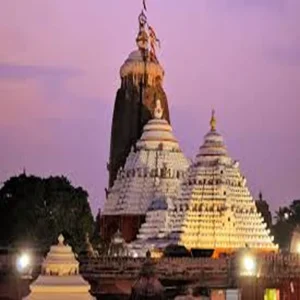
Puri’s Place in Hindu Tradition
Located along the coast of Odisha on the Bay of Bengal, Puri is counted among Hinduism’s seven most sacred cities. The Jagannath Temple is dedicated to Lord Krishna, regarded as the eighth incarnation of Lord Vishnu. Historically, the region was known as Utkala and served as a thriving center of maritime trade. Merchants from regions such as Java, Sumatra, Indonesia, and Thailand are believed to have conducted commercial activities through its prominent ports.
Known as Earth’s Vaikuntha
Ancient scriptures describe Puri as Vaikuntha on Earth, the celestial abode associated with Lord Vishnu. The sacred city is known by several names, including Shri Kshetra, Purushottama Kshetra, Nilachala, and Jagannath Puri. References in texts such as the Brahma Purana and Skanda Purana mention Lord Vishnu manifesting here as Nilamadhava, a deity especially revered by the Sabara tribal community. The distinctive wooden form of Lord Jagannath is often linked to ancient tribal traditions, where wooden idols were commonly worshipped.
Tribal Traditions and Temple Rituals
The connection between Jagannath worship and tribal customs remains visible even today. Alongside Brahmin priests, members of the traditional Daitapati community continue to play an important role in temple ceremonies. During specific annual observances, these hereditary servitors perform many of the key rituals associated with Lord Jagannath and his siblings, preserving customs that have been passed down through generations.
References in Ancient Scriptures
Several Hindu texts offer descriptions of Puri and its religious significance. The Matsya Purana mentions Goddess Vimala as the presiding deity of the sacred region, while other scriptures associate Purushottama with divine forms of Vishnu and Rama. Traditional narratives also connect the temple with Vibhishana, the brother of Ravana, who is said to have been advised to worship Jagannath as a family deity.
Sacred Geography of Puri
According to the Skanda Purana, Puri’s sacred landscape resembles a conch shell and extends across a large area near the coast. Various sections of this symbolic structure are linked to different deities and sacred sites. The temple of Goddess Vimala occupies a prominent place within this spiritual geography, while the sanctum of Lord Jagannath is considered the central point of devotion.
The Legend of King Indradyumna
Temple traditions attribute the establishment of Jagannath worship to King Indradyumna of Malwa. Legends state that the king received divine instructions in a dream directing him to locate the deity Nilamadhava. His search eventually led to discoveries connected with the Sabara chief Vishvavasu, a devoted worshipper of the deity. These accounts form an important part of the temple’s traditional history and continue to be narrated by devotees.
Origin of the Unique Wooden Idols
One of the most famous legends explains the creation of the temple’s wooden idols. It is believed that a divine craftsman agreed to carve the images under strict conditions of privacy. However, before the work was completed, the chamber was opened. The resulting forms remained unfinished, lacking fully developed limbs. These incomplete yet distinctive images were accepted as the divine will, and they continue to be worshipped in the same form today.
Historical Development of the Temple
The Jagannath Temple has undergone several phases of construction, restoration, and rebuilding over the centuries. Historical records indicate that major renovations were carried out by regional rulers, including King Anangabhima Deva during the medieval period. The temple complex today includes numerous smaller shrines surrounding the main sanctum, reflecting its long and evolving religious history.